
The Vanishing at Blackthorn Abbey
In the ruins of an English abbey, silence hides more than secrets.
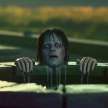

The rain had been falling over Yorkshire for three straight days, soaking the earth and flooding the narrow lanes. On the fourth night, Detective Eleanor Ward received a call that pulled her from the warmth of her flat into the teeth of the storm. A tourist had gone missing—Karl Meyer, thirty-two, a German national traveling alone. His rucksack and camera were found at the entrance of Blackthorn Abbey, a ruin that clung like a scar to the cliffs above Whitby. His footprints ended at the threshold. No sign of struggle. No sign of retreat. He had simply ceased to exist.
Eleanor had been in homicide for more than two decades. She had seen cases that defied sense: bodies arranged like ritual offerings, killers who claimed voices told them when to strike. She had buried her faith in superstition long ago. But as her boots sank into the mud outside the abbey, she couldn’t ignore the pull in her gut. This place was wrong. Not just old, not just haunted by history. Wrong.
The abbey loomed against the lightning sky, its broken spires jagged like rotten teeth. Inside, her torch beam cut through the mist clinging to the stones. Angels carved in the Gothic style stared down at her, their faces eroded into grotesque masks. She found Karl’s bag where the reports had said—by the nave, half-open. Inside, his passport, wallet, and a camera. The last photo chilled her. A blurred figure in the shadows, cloaked and faceless, standing in the very aisle where she now stood.
“Police!” she called, her voice bouncing off dead stone. Silence answered. Then a sound: a shuffle, like fabric dragging across stone. She spun, pistol raised. Her torch landed on a rosary lying in the dirt. Its crucifix was bent, almost melted. She crouched, lifting it. The metal was still warm.
That’s when she heard it—the whispers. Dozens of voices, layered, chanting in no tongue she knew. It wasn’t echo. It was inside her skull, vibrating against her teeth. She staggered, gripping her head. The voices stopped only when she realized she was no longer alone.
A man stood in the archway, tall, pale, with eyes like molten silver. His suit was immaculate despite the rain, his smile slight and knowing. “Detective Ward,” he said, his accent unplaceable. “You shouldn’t be here.”
“Identify yourself,” she snapped, weapon leveled.
The man tilted his head. “Karl Meyer was chosen. Just as you have been.” And before she could demand more, he stepped backward—and vanished, dissolving into the dark as if swallowed by it. Her torch flickered, then died, leaving her in suffocating black.
The next day she returned with a team. Together they uncovered something beneath collapsed stones in the crypt: a hidden chamber. Its walls were carved with unfamiliar sigils that no historian recognized. In the center lay a granite altar, black as obsidian, wrapped in chains. Stains streaked the floor—blood, fresh despite the centuries. And carved into the altar itself, in letters jagged and sharp, was a single word: *Ward.*
Her team laughed nervously, dismissed it as vandalism, but Eleanor’s skin prickled. She ordered samples collected. Later that night, alone in her flat, she examined Karl’s camera more carefully. Several shots of the abbey ruins revealed faint blue lights hovering in the background—triangular, unnatural. Zooming closer, she saw silhouettes: tall, gaunt figures watching from the treeline. Not spirits. Not human.
Days later, another disappearance. This time, Dr. Henry Clarke, a historian who had joined the investigation. His final voicemail was frantic, a whisper drowned in static: “They’re not ghosts… they’re collectors.” His body was never found.
Eleanor began digging through parish records and coroners’ logs. The pattern was undeniable. Villagers had vanished near Blackthorn Abbey as far back as the 1500s. Entire families erased. Witnesses described “angels of light” descending from the sky, followed by black-robed figures who took the chosen. The monks had tried to fight them, chaining something beneath the abbey in desperate ritual. The records ended abruptly. The monks had been executed, their abbey abandoned.
Eleanor couldn’t shake the feeling she was being watched. On her way home one evening, she noticed the same man in the dark coat standing across the street. His silver eyes glinted in the lamplight. She blinked, and he was gone. At her flat, her laptop flickered on by itself. A message appeared, written in static across the screen: *You saw us. Now you belong to us.* Her ears rang with whispers. She slammed the lid shut. The whispers continued.
Her colleagues noticed the change. She grew restless, distracted. She stopped sleeping. In her notes she scribbled patterns of the strange sigils, translating them into desperate fragments: *bind, harvest, silence.* When asked about progress, she muttered about “chains that won’t hold” and “a hunger older than the church.” Her superiors considered pulling her from the case. They never got the chance.
One storm-lashed night, Eleanor vanished. Her car sat outside her cottage, her coat still damp by the door. On the kitchen table lay her open notebook, its final page filled with jagged scrawl: *It isn’t haunting us. It’s harvesting us. Beneath the abbey, it waits. Not spirit. Not human. Not of this earth.*
The search for her turned up nothing. Some whispered she’d lost her mind and fled. Others claimed she’d been taken, like Karl and Dr. Clarke before her. Officially, the case remains unsolved.
But hikers still speak of the abbey. On stormy nights, they see lights circling the ruins—blue, triangular, shifting against the clouds. Some hear chanting in languages no human speaks. And a few, too few, report something worse: a silver-eyed man in a dark coat standing at the gate, smiling, as though welcoming them home.
No one stays after dark anymore. Not after Eleanor Ward. But if you linger long enough by the ruins, if the wind falls still and the mist coils low, you might hear her voice among the whispers—pleading, warning: *Don’t enter. Don’t let them take you. The abbey doesn’t hold the dead. It feeds them.*
About the Creator
Wellova
I am [Wellova], a horror writer who finds fear in silence and shadows. My stories reveal unseen presences, whispers in the dark, and secrets buried deep—reminding readers that fear is never far, sometimes just behind a door left unopened.
A Love Letter to Charlie
Dear Charlie, I don’t want to say goodbye to you but after you were flipped on your side by Mardi Gras revelers two weeks ago, the insurance company considers you totaled. Breaks my heart that one stupid prank ended our run. Note: my father-in-law is delighted by the news as he considers you a widow-maker and insists we find a safer vehicle for his future progeny. (Shoot, we’re not ready for kids… just got married a few months ago. Can’t we have a little time before the honeymoon ends?)
By Cathy Schieffelin5 days ago in Fiction


Comments
There are no comments for this story
Be the first to respond and start the conversation.