
The Unsolved Mystery of the Black Dahlia Murder
A Case of Intrigue

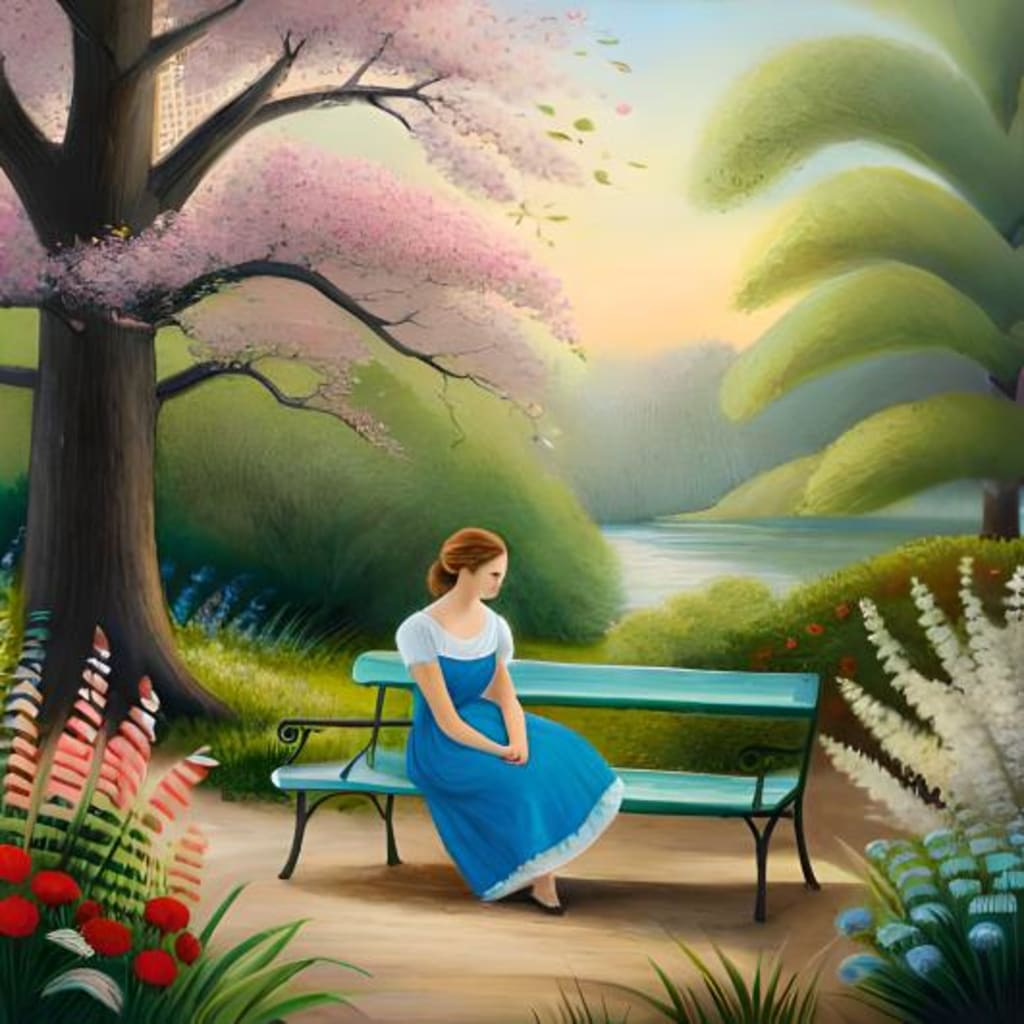
The Black Dahlia murder is one of the most infamous unsolved mysteries in American history. It involves the gruesome murder of a young woman named Elizabeth Short in 1947, whose body was found cut in half and mutilated in a vacant lot in Los Angeles. The case remains unsolved to this day, despite numerous investigations and speculations about the identity of the killer.
Elizabeth Short's Life Before the Murder
Elizabeth Short was born in Massachusetts in 1924. Her father abandoned the family when she was young, and her mother struggled to make ends meet. Short had a difficult childhood, moving frequently and suffering from respiratory problems. She moved to California in 1943 to live with her father, who was living in Santa Barbara at the time. She later moved to Los Angeles in pursuit of a career in acting and modeling.
In Los Angeles, Short's life was characterized by her socializing with men and frequenting nightclubs. She was known to be a transient, often staying with different friends or acquaintances for brief periods. She was also known to be a heavy drinker, which contributed to her reputation as a party girl.
The Murder
On January 15, 1947, the body of Elizabeth Short was found in a vacant lot in the Leimert Park neighborhood of Los Angeles. The body was cut in half at the waist and had been drained of blood. Short's face had been cut from the corners of her mouth to her ears, creating a macabre smile. She had multiple lacerations on her body, and her genitals had been mutilated.
The discovery of Short's body made national news, and the investigation quickly became a media sensation. Despite the LAPD's efforts to solve the case, no suspects were ever formally charged, and the investigation remains open to this day.
Theories and Speculations
Over the years, many theories and speculations have emerged about the identity of the Black Dahlia killer. One of the most popular theories is that the killer was a psychopath who enjoyed torturing and mutilating women. Some people believe that the killer may have been a surgeon or someone with medical knowledge, given the precision of the cuts made to Short's body.
Another theory is that the killer was connected to organized crime, given the severity of the mutilation and the fact that Short was known to frequent nightclubs and associate with men who were involved in illegal activities.
There have also been speculations that the killer may have been a former lover or acquaintance of Short's who sought revenge against her. However, no concrete evidence has ever been found to support any of these theories.
Cultural Significance
The Black Dahlia murder has had a significant impact on American culture, particularly in the media and entertainment industries. The sensational nature of the case made it a popular topic for news outlets and true crime enthusiasts. It also inspired a number of books, films, and TV shows over the years, including James Ellroy's novel "The Black Dahlia" and Brian De Palma's film adaptation.
The case has also had a lasting impact on the true crime genre, inspiring countless investigations and documentaries about unsolved murders and cold cases.
Recent Developments and Investigations
Despite the lack of progress in solving the case, the LAPD has continued to investigate the Black Dahlia murder over the years. In 2018, the department announced that they had obtained DNA evidence from the killer, though they did not reveal any additional details about the evidence or how it was obtained.
In recent years, there have also been new theories and leads in the case, including the possibility that the killer may have been a Hollywood insider or that Short may have been involved in illegal activities herself.
Advancements in forensic science have also given investigators new tools to work with, such as genetic genealogy, which uses DNA samples to trace a suspect's family tree.
The Black Dahlia in Popular Culture
The Black Dahlia murder has left an indelible mark on American pop culture. The case has been referenced in numerous books, films, and songs, and has become a popular subject for true crime podcasts and TV shows.
Perhaps one of the most notable references to the Black Dahlia is in the song "Black Dahlia" by Hollywood Undead, which tells the story of the murder from the perspective of the killer.
Conclusion
The Black Dahlia murder is a case that has fascinated and perplexed people for decades. Despite numerous investigations and speculations, the identity of the killer remains unknown. While it is possible that the case may never be solved, the legacy of Elizabeth Short and the impact of the case on American culture will continue to be felt for generations to come.
FAQs
Q: Who was the Black Dahlia?
A: The Black Dahlia was the nickname given to Elizabeth Short, a young woman who was brutally murdered in Los Angeles in 1947.
Q: What happened to Elizabeth Short's family after her murder?
A: Short's family was devastated by her murder. Her mother, who had been living in Massachusetts, suffered a nervous breakdown and was institutionalized for a time.
Q: What is the most popular theory about the killer's identity?
A: One of the most popular theories is that the killer was a psychopath who enjoyed torturing and mutilating women. Some people believe that the killer may have been a surgeon or someone with medical knowledge, given the precision of the cuts made to Short's body.
Q: Has anyone ever been arrested for the Black Dahlia murder?
A: No suspects were ever formally charged in the case, though there have been many persons of interest over the years.
Q: Is there any hope that the case will be solved?
A: While the case remains unsolved, there have been recent developments in forensic science and DNA analysis that could potentially lead to a breakthrough in the investigation.
About the Creator
Keep reading
More stories from Sagar Karn and writers in Fiction and other communities.
The Haunting Mystery of the Bell Witch
Ghost stories have been around for centuries, captivating audiences with their thrilling and sometimes terrifying tales. One of the most famous and haunting ghost stories in American history is that of the Bell Witch, a malevolent spirit that terrorized the Bell family of Adams, Tennessee in the early 19th century. The story of the Bell Witch has remained a mystery for over two centuries, captivating generations of Americans with its eerie and inexplicable nature. This article will explore the legend of the Bell Witch, the haunting of the Bell family, the witch's disappearance, and the theories that attempt to explain this haunting mystery.
By Sagar Karn3 years ago in Fiction
All Very Straightforward!
Thanks for watering our garden while we’re away. The last person overwatered and several plants died. Here’s the house key, the front lock is a bit tricky. Be sure to check it has actually locked. There’s not much to know… it’s all pretty straightforward. No need to take notes, we’ll show you around. I’m sure you’ll be fine.
By Angie the Archivist 📚🪶7 days ago in Fiction


Comments
There are no comments for this story
Be the first to respond and start the conversation.