Boy, 5, and Father Return to Minnesota After ICE Detention
In early 2026, a story out of Minnesota captured the attention of the nation. Five-year-old Liam Conejo Ramos and his father, Adrian Conejo Arias, were detained by U.S. Immigration and Customs Enforcement (ICE) after a routine immigration raid in a Minneapolis suburb.
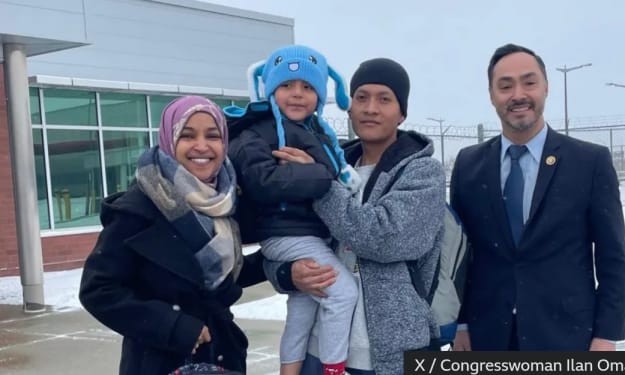
The case quickly went viral after photos of Liam wearing a blue bunny hat and Spider-Man backpack spread online, sparking outrage and concern from the public, politicians, and child advocacy groups. After nearly two weeks in detention, both were finally released and returned safely to Minnesota.
This blog takes a closer look at what happened, the reactions, and why the case sparked national debate.
Who Are Liam and His Father?
Liam is a five-year-old preschooler living in Columbia Heights, Minnesota. His father, Adrian, is originally from Ecuador, and the family was pursuing an asylum claim to remain in the United States legally.
Their detention began on January 20, 2026, when ICE agents took them into custody. While the father was the main target, Liam was also detained temporarily, causing national attention and outrage.
The images of Liam quickly circulated online, drawing empathy and anger from people across the country.
The Controversial Detention
According to reports, school officials said agents had asked Liam to knock on the door of his house to lure family members out — a claim federal officials later denied.
ICE stated that the child was not their target and that the father had fled on foot. They also claimed that the boy’s mother had initially refused to take custody.
Regardless, the detention of a five-year-old child drew widespread criticism, highlighting concerns about ICE’s treatment of children and families.
Legal Action and Judge’s Intervention
The turning point came when U.S. District Judge Fred Biery reviewed the case. He ordered that Liam and his father be released immediately and protected from deportation while their asylum claim is pending.
The judge criticized the federal government for policies that prioritize deportation quotas over humane treatment of families. His ruling emphasized that children should not be used as leverage in immigration enforcement.
Return to Minnesota
After the judge’s order, Representative Joaquin Castro of Texas escorted Liam and his father back home from the Dilley Immigration Processing Center.
The community welcomed them warmly. Neighbors and school staff gathered to celebrate their safe return, and the young boy’s blue bunny hat and Spider-Man backpack became symbols of the ordeal and the public’s emotional response.
Public and Political Reaction
The story triggered strong responses nationwide.
Senator Amy Klobuchar praised the family’s return, emphasizing that children should be in school, not detention.
Representative Ilhan Omar shared her support on social media, highlighting the importance of protecting families.
Public outrage also led to broader discussions about ICE enforcement practices, particularly regarding children.
Social media users debated the balance between enforcing immigration laws and protecting children, with many calling for reforms.
Human Rights and Advocacy Concerns
Legal advocates criticized the detention as unnecessary and traumatic. They stressed that the family had followed asylum procedures and that children should never be detained as part of enforcement actions.
School officials emphasized the child’s age and vulnerability, while activists called for policy changes to ensure humane treatment for all families in similar situations.
Why This Story Resonated
Several factors made this story go viral:
The child’s age: A five-year-old being detained shocked the public.
Viral imagery: Liam’s bunny hat and backpack personalized the story.
Judicial involvement: The federal judge’s ruling reinforced concerns about ICE’s approach.
Political debate: The case prompted national discussions about immigration policy and child safety.
Together, these elements made the story a symbol for broader immigration debates in the U.S.
A Hopeful Ending
On their return to Minnesota, Liam and his father were greeted with relief and support from the local community.
Representative Castro highlighted the story’s symbolic impact, sharing messages of hope for other families facing similar circumstances.
While Liam is now safely home, the case remains a reminder of ongoing challenges for families navigating U.S. immigration policies.
Conclusion
The release of Liam Conejo Ramos and his father represents more than just a reunion; it reflects the importance of humane treatment in immigration enforcement and the power of public awareness.
Their story has sparked debate, inspired advocacy, and highlighted the urgent need for reforms that protect children while balancing legal enforcement.
As Liam returns to preschool and normal life, his experience will continue to influence discussions on family rights, child welfare, and immigration policy in the United States.





Comments
There are no comments for this story
Be the first to respond and start the conversation.