

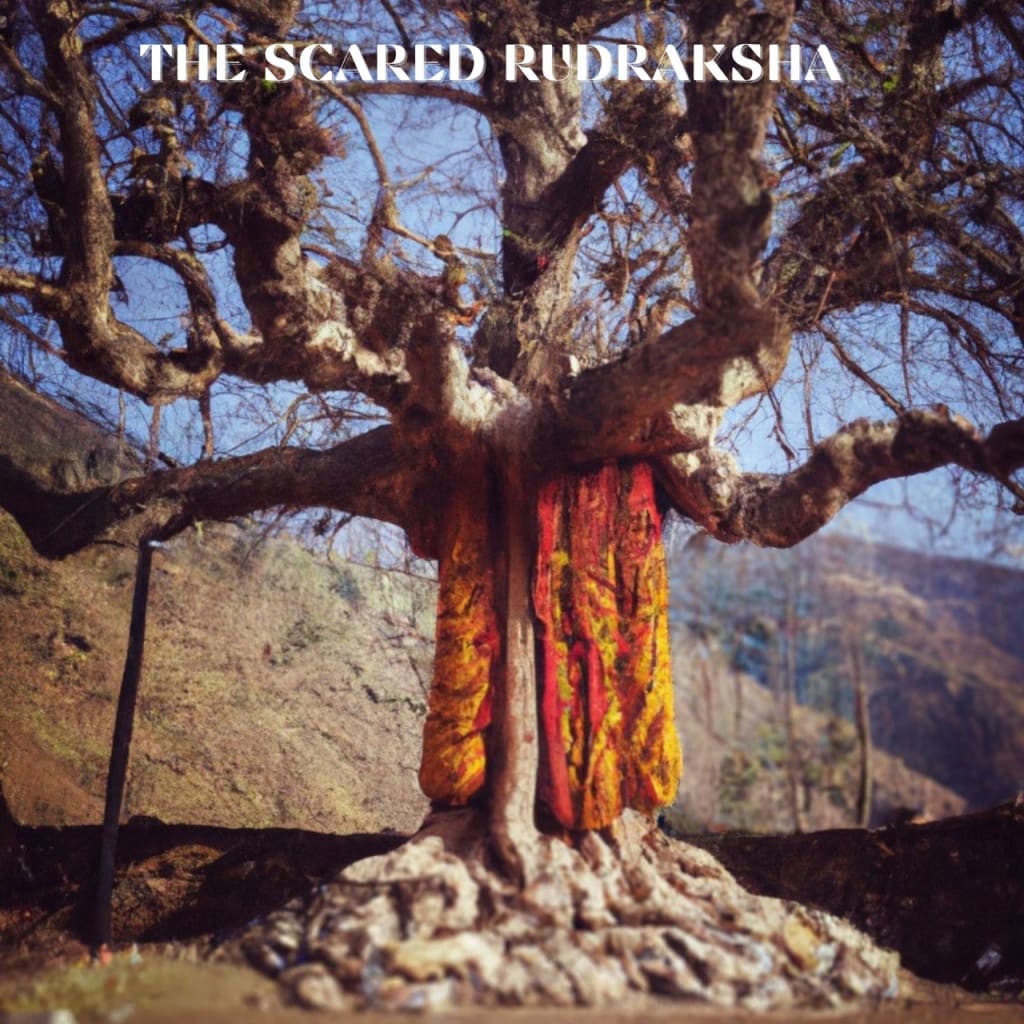
The tale of an ancient tree, a source of livelihood, culture and spiritual significance and the determination of a village to preserve it.
Once upon a time, in a small village nestled in the foothills of the Himalayas, there stood a majestic Rudraksha seed tree. The tree was said to be over 300 years old and had been passed down from generation to generation, being revered as sacred by the villagers.
The villagers believed that the Rudraksha tree held the power to heal and bring prosperity and good luck to those who possessed its seeds. The tree was considered as the source of healing power and spiritual connection. The villagers would often come to the tree to pray, to offer their devotion and to ask for blessings.
One day, a group of loggers came to the village to cut down trees and clear the land for a new development project. The villagers were devastated as they knew that the Rudraksha tree would be destroyed along with the other trees. The tree had been a source of livelihood for many of the villagers who used to sell the seeds, while others use it for the medicinal benefits. Moreover, the tree was considered to be an embodiment of the culture and tradition of the village.
The village leader and the local spiritual leader decided that they could not allow this to happen. They rallied the villagers and together they stood guard around the tree, protecting it from the loggers. They told the story of the tree, about its importance, about the healing and the blessings that it brought to the village, and about the tradition and culture that it embodies.
The loggers were touched by the villagers' passion and respect for the Rudraksha tree and decided to spare it from being cut down. The villagers rejoiced, and from that day on, the Rudraksha tree was considered even more sacred, a symbol of the power of the community and the importance of tradition and culture.
The villagers continued to use the seeds for their medicinal and spiritual benefits and the tree remained a source of healing and blessings for generations to come.
The Rudraksha tree also played an important role in the conservation of the local environment. It provided shade and shelter for wildlife, as well as a source of food for birds and insects. The tree also helped to prevent soil erosion, and helped to maintain the balance of the local ecosystem.
The villagers made sure to take good care of the tree, they would water it regularly, and fertilize it, to ensure that it would continue to flourish and bear seeds. They also made sure to protect it from pests and diseases, so that it would continue to provide for the village for many years to come.
In the years that followed, the village prospered, and the Rudraksha tree became a symbol of their strength, resilience, and tradition. The tree was not just a tree, it was a sacred being that held a special place in the heart of the community. A reminder of the power of coming together to protect something that is truly valuable and important.
Over the years, the story of the Rudraksha tree and the village that saved it, spread far and wide, inspiring other communities to protect and preserve their own sacred trees.
The Rudraksha tree continues to be an important part of the village, a symbol of tradition and culture, a source of healing and blessings, and a reminder of the power of community and the importance of preserving the natural world for future generations.
About the Creator
Shamil Ahamed
I'm Shamil Ahamed, maritime grad, traveler, entrepreneur & media writer. My global perspective & sustainable biz background shape my thought-provoking stories.Follow for stories on marginalized voices, fair trade & sustainable living.
Keep reading
More stories from Shamil Ahamed and writers in Fiction and other communities.
The Organic Ceylon: Sustainability, Fair Trade and Authenticity
The Organic Ceylon is a business that was founded with the goal of promoting sustainable and fair trade practices in the cultivation and distribution of Ceylon tea and other natural products. The company's story began when the founder, a maritime transportation management graduate, traveler, and young entrepreneur, was inspired by the beauty and flavor of Ceylon tea during a trip to Sri Lanka. However, during this trip, he also witnessed the negative impact of conventional tea farming methods on the environment and the exploitation of workers. This motivated him to start The Organic Ceylon and make a change in the way tea and other natural products are grown and traded.
By Shamil Ahamed3 years ago in Education
Essay Topic: What Do You Want to Be in the Future?
Sometimes a simple question reveals the most complicated truths of life. “What do you want to be in the future?” seems like an ordinary classroom topic, yet it uncovers the tension between childhood dreams, family pressure, financial limits, and imposed decisions.
By Ebrahim Parsa7 days ago in Fiction
Top tipple tricks
Been thinking a lot about drinking, lately. Not least because of a recent episode of over-indulgence and the inevitable after effects. Some readers may recall the earlier articles I wrote about beating the booze. Here I set out an experiment in techniques for cutting down on my alcohol intake. The experiment was successful, the techniques worked, and I have armed myself with an arsenal of weapons in the war against the demon drink. I have yet to fire the first round however. It's all a question of timing (perhaps procrastination).
By Raymond G. Taylorabout 24 hours ago in Psyche




Comments
There are no comments for this story
Be the first to respond and start the conversation.