
The Power of the Pen
How Words Shape Minds and Change the World

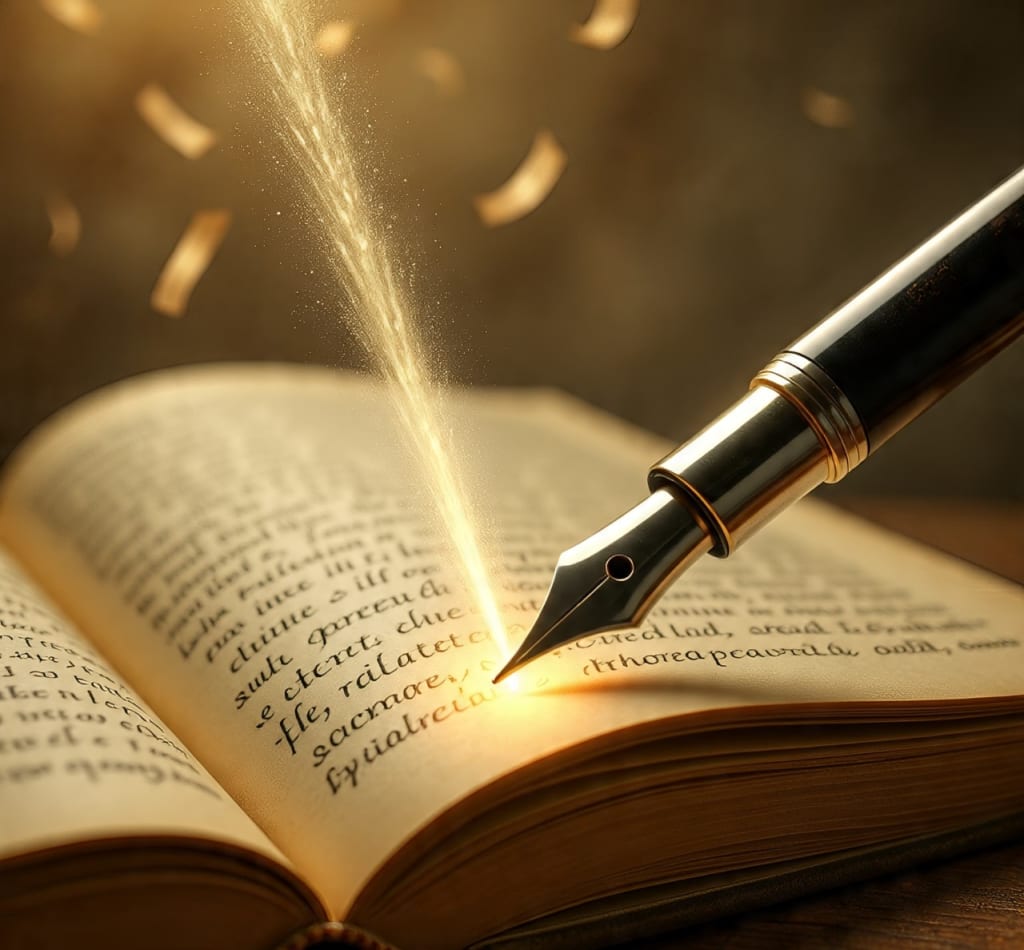
They say the pen is mightier than the sword, and for good reason. A sword may conquer land, but a pen can conquer hearts, minds, and generations. The written word has always been one of the strongest forces in human history. From ancient scripts carved on stones to modern digital writings, words have guided societies, started revolutions, and inspired countless people. The power of the pen is not just about ink on paper—it is about the ability to influence, inspire, and transform.
A Tool of Knowledge
At its core, the pen is a symbol of knowledge. Books, articles, and letters have preserved wisdom for centuries. Think about the works of philosophers like Aristotle, scientists like Newton, or poets like Rumi. Their ideas still live on because they were recorded through writing. Without the pen, much of human history and knowledge would have been lost. Writing keeps knowledge safe and passes it to future generations. It allows every new generation to learn from the past without starting from zero.
A Voice for the Voiceless
The pen also gives voice to those who cannot speak loudly in society. Writers, journalists, and activists have used words to highlight injustice and push for change. For example, famous leaders like Martin Luther King Jr. and Nelson Mandela relied heavily on speeches and written works to inspire movements. Even today, a blog, article, or social media post can bring attention to issues that the world might ignore. One pen can awaken thousands of people and create a wave of action.
A Source of Inspiration
Words do not just inform—they inspire. A single poem can comfort a broken heart. A motivational book can push someone to chase their dreams. A letter from a loved one can give hope during difficult times. This shows that the pen has emotional power as well. When used with honesty and passion, it can heal wounds that weapons cannot touch.
Changing the Course of History
History is full of examples where writing shaped nations. Constitutions, declarations, and treaties are all products of the pen. The Declaration of Independence in America, the Magna Carta in England, and the United Nations Charter are just a few examples. These documents changed the future of entire countries and the lives of millions. Wars may have played their part, but it was the written agreements that truly reshaped societies.
A Personal Tool for Growth
Beyond politics and history, the pen has a personal power too. Many people keep diaries or journals where they write their thoughts, struggles, and dreams. Writing helps in self-reflection and personal growth. It allows us to put our emotions into words, making them easier to understand and control. Writing down goals also makes them feel more real and achievable.
The Pen in the Digital Age
Some may argue that technology has reduced the importance of the pen. After all, we type more than we write. But the truth is, whether it is on paper or a screen, words still carry the same strength. Blogs, social media posts, and digital books continue the tradition of influencing and inspiring. The medium may have changed, but the power of words remains untouched.
Conclusion
The pen is more than just a writing instrument—it is a symbol of human progress, freedom, and creativity. It has the power to preserve knowledge, inspire change, and shape the future. A sword may win a battle, but a pen can win the world. The next time you pick up a pen, remember that you are holding one of the most powerful tools ever created. Use it wisely, because your words may live longer than you do.
About the Creator
aadam khan
I am publishing different stories
Keep reading
More stories from aadam khan and writers in Fiction and other communities.
Stillness in the ICU
The waiting room was cold—not from the air conditioning, but from the silence that clung to the walls. I remember the buzzing of fluorescent lights above and the distant, rhythmic beeping of machines through the thin walls. It was the sound of life hanging on. It was the sound of hope stretching itself thin.
By aadam khan7 months ago in Fiction


Comments
There are no comments for this story
Be the first to respond and start the conversation.