
Stillness in the ICU
When time slows down and every second holds its breath.


The waiting room was cold—not from the air conditioning, but from the silence that clung to the walls. I remember the buzzing of fluorescent lights above and the distant, rhythmic beeping of machines through the thin walls. It was the sound of life hanging on. It was the sound of hope stretching itself thin.
ICU: three letters that suddenly meant everything. A place where nothing is certain, where science meets the soul, and where time plays tricks on you. Minutes feel like hours, and silence screams louder than words.
I sat there, in a plastic chair that had molded to too many people before me. People who had prayed, wept, hoped. I was now one of them. My phone was in my lap, untouched. What could I do with it anyway? No messages could reach the place my thoughts were going. I didn’t want distraction. I wanted a miracle.
Behind the double doors was a person I loved more than words could say—connected to wires and tubes, kept alive by blinking machines and nurses who moved quietly like ghosts in the night. I wasn’t allowed in yet. They said “not now,” and so I waited. That’s what the ICU teaches you first: how to wait.
I watched people come and go. A man with a worn-out Bible whispered into his hands. A mother gently rocked herself, holding nothing but her own arms. A young boy stared at the floor as though afraid it might vanish. We were strangers bound together by fear. None of us spoke. We didn’t need to.
When they finally called my name, I walked through the heavy doors as if crossing into another world. The hallway smelled of antiseptic and sadness. Each room I passed held its own universe of quiet pain. But my feet knew where to go, even if my heart did not.
There she was—my grandmother—tiny and pale, almost weightless beneath a sea of white sheets. The hum of the ventilator rose and fell like an artificial breath. Her chest moved up and down, but it didn’t look natural. Her eyes were closed, her face peaceful, but I knew peace was not what brought her here.
I held her hand. It was warm, but still. No gentle squeeze in return. No whisper of recognition. Just stillness. My mind screamed for her to wake up, to open her eyes and smile that familiar smile. But she didn’t. The nurse said her condition was “stable but critical.” That phrase felt like a lie dressed in a lab coat. How could something be both?
I sat beside her and began to talk—not loudly, just enough. I told her stories from the week, things I knew she’d want to hear. I talked about the weather, the garden she loved, the way the dog still waited by the front door. I talked as if it mattered. Maybe it did.
Time didn’t move the same in that room. Minutes dissolved into each other like watercolors. The only constants were the beeping monitors and the steady rise and fall of her chest. I realized then how precious breathing was, even if helped by machines.
Sometimes, nurses would come in, adjust wires, check charts, and smile gently as if to say, “We know.” Their kindness didn’t fix anything, but it softened the edges of the pain.
Eventually, I was asked to leave. Visiting hours were over. I kissed her forehead and whispered, “See you tomorrow.” I didn’t know if that was a promise or a prayer.
That night, I couldn’t sleep. I kept hearing the machines—the beeps, the hisses, the artificial heartbeat. I imagined her floating between worlds, deciding whether to stay or go.
The call came just before dawn.
“She passed peacefully,” the voice said.
Stillness.
No more machines. No more tubes. No more hope clawing at the impossible. Just quiet.
The ICU, in the end, taught me not just about waiting—but about letting go. About how life is held together by fragile threads, and when they break, it is not always a crash—but sometimes a soft exhale.
She is gone, but that room, that stillness—it remains etched in my memory.
A sacred pause between life and death.
And in that stillness, I found something like peace.
About the Creator
aadam khan
I am publishing different stories
Keep reading
More stories from aadam khan and writers in Fiction and other communities.
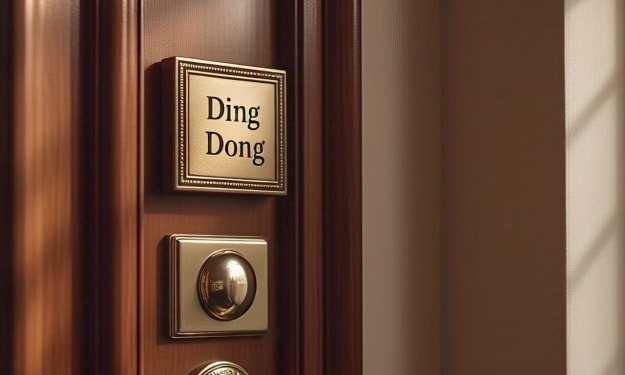
"Ding_Dong"
“Ding dong” is a sound we often hear in our daily lives. It may come from a doorbell, a clock, or even a game. Though it sounds small, this two-word sound holds big meaning. It can show someone is arriving, time is passing, or fun is starting. In this blog, we will explore the world of “ding dong” and how it connects to our lives.
By aadam khan7 months ago in Fiction



Comments
There are no comments for this story
Be the first to respond and start the conversation.