
The Mysterious Death of King Tutankhamun
A Pharaoh's Curse?

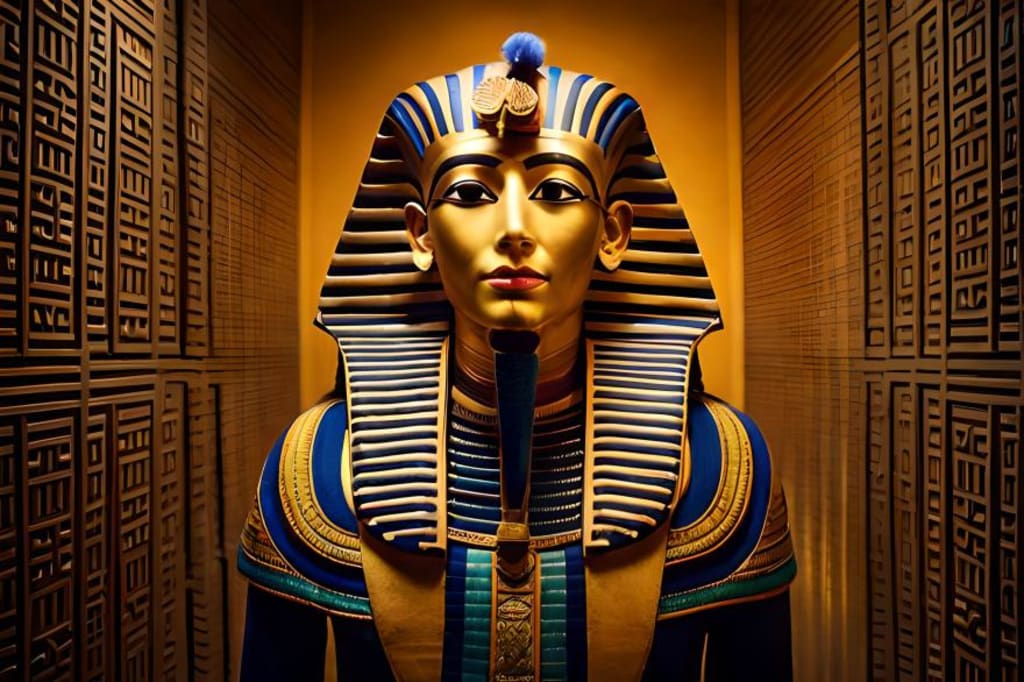
In the world of archaeology, few discoveries have captured the public's imagination quite like the discovery of King Tutankhamun's tomb in 1922. The young pharaoh's life and reign had been largely forgotten by history until British archaeologist Howard Carter uncovered his tomb in the Valley of the Kings. However, the discovery was not without controversy - the supposed "curse" of the pharaohs quickly became a popular theory to explain the deaths and misfortunes that seemed to follow those involved in the excavation. But what really happened to King Tutankhamun, and was his death truly the result of a curse?
Theories Surrounding King Tut's Death
King Tutankhamun's reign was relatively short, lasting from 1332-1323 BCE. Despite this, his tomb was filled with treasures and artifacts that provided invaluable insights into Ancient Egypt's culture and beliefs. However, the circumstances of his death remain shrouded in mystery. Historical accounts suggest that he died at a young age, possibly from illness or injury. Recent medical evidence, including CT scans of his mummified remains, support this theory. However, some experts have suggested that he may have been murdered, possibly by a rival for the throne or a member of his own court.
Another theory that has been put forth is that King Tutankhamun suffered from genetic health issues that ultimately contributed to his death. This is supported by the fact that his parents were siblings, a common practice among Egyptian royalty to maintain bloodlines. Studies of his DNA have revealed evidence of multiple genetic disorders, including a bone disease that may have made him more susceptible to infections.
The Curse of the Pharaohs
Perhaps the most infamous aspect of King Tutankhamun's legacy is the so-called "curse of the pharaohs". According to popular legend, anyone who entered the tomb would suffer terrible misfortunes or even death. This theory gained traction after several members of the excavation team died under mysterious circumstances, including Lord Carnarvon, the financial backer of the expedition. However, many experts have dismissed the curse as nothing more than superstition. The supposed deaths and misfortunes can be attributed to coincidence, illness, and accidents rather than any supernatural force.
The Legacy of King Tutankhamun
Despite the enduring mystery surrounding King Tutankhamun's death, his legacy has had a lasting impact on Ancient Egypt and the world. His tomb and artifacts have provided invaluable insights into the culture and beliefs of the time. The discovery of his tomb and the supposed curse also sparked a renewed interest in Ancient Egypt and archaeology. Today, King Tutankhamun remains one of the most famous and fascinating figures in history.
In conclusion, the death of King Tutankhamun remains one of the most enduring mysteries in history. While there are many theories surrounding his death, the truth may never be fully known. However, the fascination with King Tutankhamun and his supposed curse continues to captivate people around the world. Whether it is through the study of his artifacts or the exploration of his supposed curse, the legacy of this young pharaoh will continue to be a subject of fascination for generations to come.
FAQs:
Was King Tutankhamun's tomb the only one discovered in the Valley of the Kings?
No, there have been many tombs discovered in the Valley of the Kings, but King Tutankhamun's is one of the most famous.
What is the significance of King Tutankhamun's reign?
While his reign was relatively short, the discovery of his tomb and artifacts provided invaluable insights into Ancient Egyptian culture and beliefs.
Was there really a curse associated with King Tutankhamun's tomb?
While there were some deaths and misfortunes associated with the excavation of his tomb, most experts agree that the supposed curse is nothing more than superstition.
What is the most likely cause of King Tutankhamun's death?
Historical accounts and medical evidence suggest that he may have died from illness or injury at a young age.
Why is King Tutankhamun's legacy so enduring?
His tomb and artifacts have provided a window into Ancient Egyptian culture and beliefs, and the supposed curse associated with his tomb has captured the public's imagination for decades.
About the Creator
Keep reading
More stories from Sagar Karn and writers in Fiction and other communities.
The Enigmatic World of UFOs
Are we alone in the universe? This age-old question has captivated humanity for centuries. While we may not have a definitive answer, the existence of UFOs – Unidentified Flying Objects – has sparked endless speculation and intrigue about the possibility of extraterrestrial life. In this article, we will explore the enigmatic world of UFOs and what they might mean for our understanding of the universe.
By Sagar Karn3 years ago in Fiction
The Day It Rained Popcorn at the County Fair
Aunt Faye was determined to see Elvis, even if it meant making a fool of herself. So when she heard the King was performing at the county fair, she went into a state of adrenaline-induced panic. First thing she did was go down to Dalke’s Drug Store and load up on loud lipstick, eyeliner, makeup, and a bottle of cheap perfume. On the way home, she stopped at Larry’s Liquor Store and bought a fifth of tequila and a whole box of those little bottles of chasers.
By Gail Winfree6 days ago in Fiction
Wild Card Weekend Recap: What Happens Now?
I think I figured out why I love Wild Card Weekend so much. It's because it's the first playoff anything of the calendar year. The NFL season starts in the fall, and once upon a time, the champion was crowned either on or slightly before New Year's. The evolution of the NFL schedule has resulted in the playoffs starting just into the New Year, and currently, the final week of the season falls on the first weekend of the New Year, with Wild Card Weekend coming a week after that. So yes, chronologically, the NFL's Wild Card Weekend serves as the first playoff anything of the calendar year.
By Clyde E. Dawkins5 days ago in Unbalanced



Comments
There are no comments for this story
Be the first to respond and start the conversation.