
The Must-Read Classics: 27 More Literary Masterpieces Every Enthusiast Should Experience
Exploring Literary Brilliance: A Journey Through 27 Must-Read Classic Masterpieces
This is a special list, with books recommended by one of my followers - Robert Catlin!
Literature has the power to transport us to different worlds, challenge our perspectives, and evoke a myriad of emotions. In this blog post, we present a curated list of 27 more literary masterpieces that every enthusiast should experience. From the haunting depths of Toni Morrison's "Beloved" to the chilling allure of Bram Stoker's "Dracula," these books have left an indelible mark on the literary landscape. Join us as we embark on a journey through these captivating works, each offering its unique insights and provoking thought long after the final page is turned.
This post contains affiliate links from Bookshop, an online bookstore that supports independent bookstores.
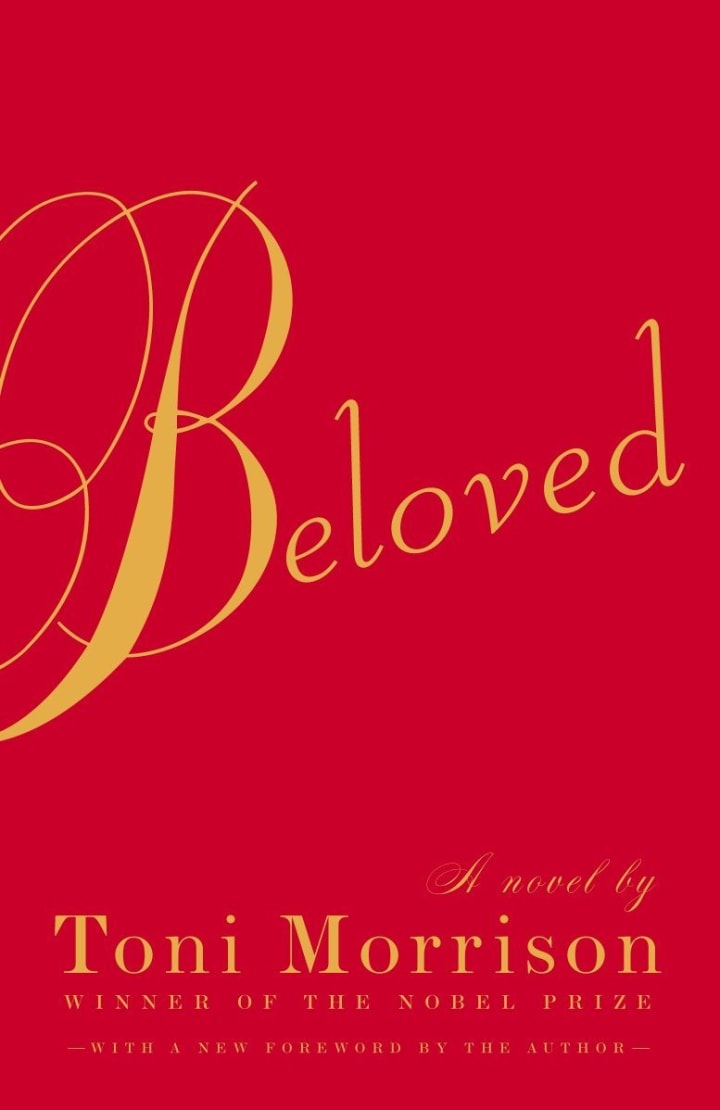
1. Beloved by Toni Morrison:
Toni Morrison's "Beloved" weaves a haunting tale of slavery, motherhood, and the indomitable spirit of survival. Set in post-Civil War America, this Pulitzer Prize-winning novel explores the profound impact of slavery on both individuals and communities, delving into themes of memory, identity, and the enduring power of love.
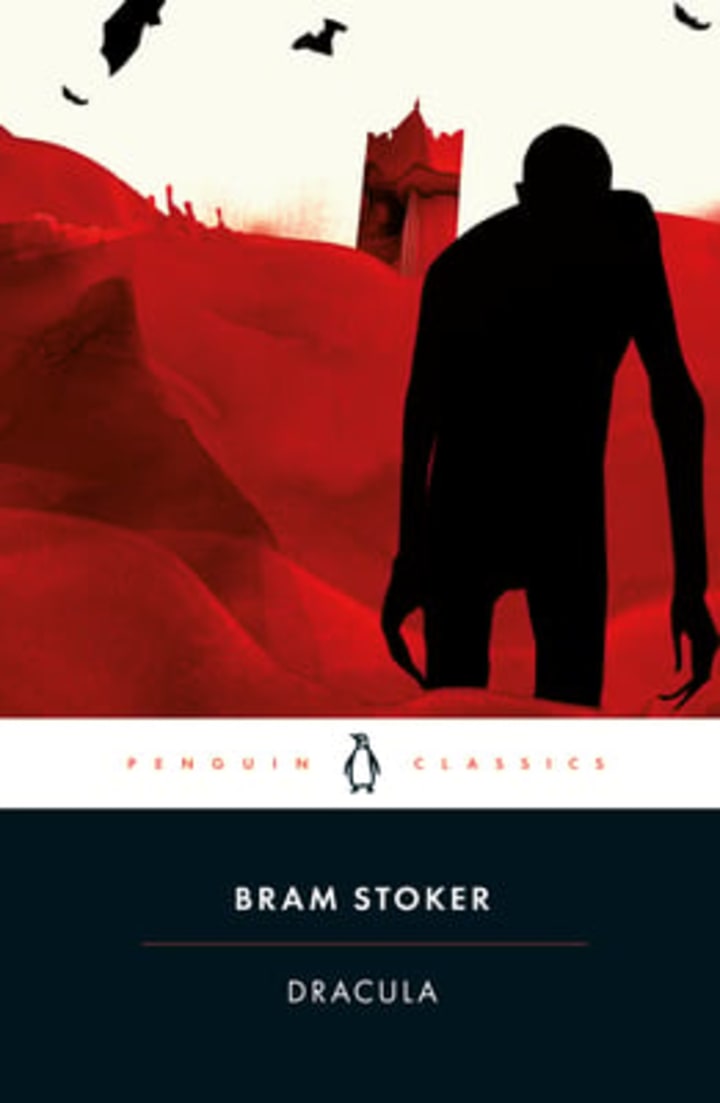
2. Dracula by Bram Stoker:
Bram Stoker's iconic novel, "Dracula," introduced the world to the charismatic and enigmatic Count Dracula. This Gothic masterpiece explores themes of desire, power, and the battle between good and evil. Through journal entries and letters, Stoker creates a chilling narrative that continues to captivate readers with its supernatural allure.
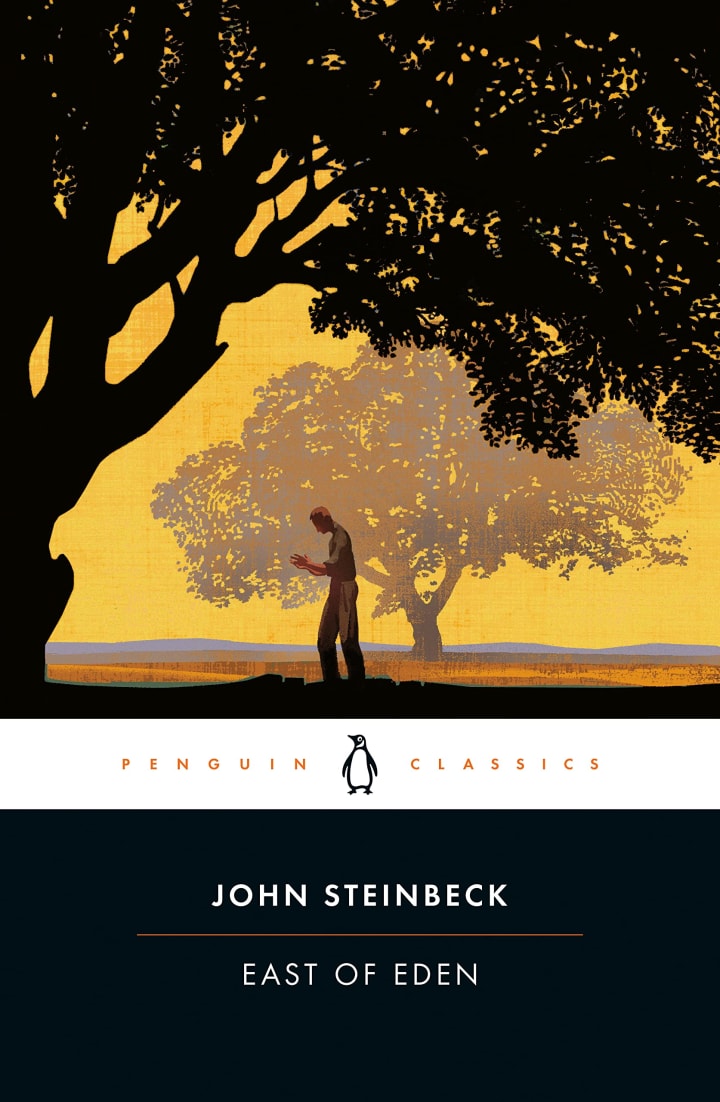
3. East of Eden by John Steinbeck:
"East of Eden" is an epic saga that spans generations, exploring the intricacies of family, love, and the struggle between good and evil. John Steinbeck's richly developed characters and evocative prose create a tapestry of human experiences, immersing readers in a world where choices have far-reaching consequences.
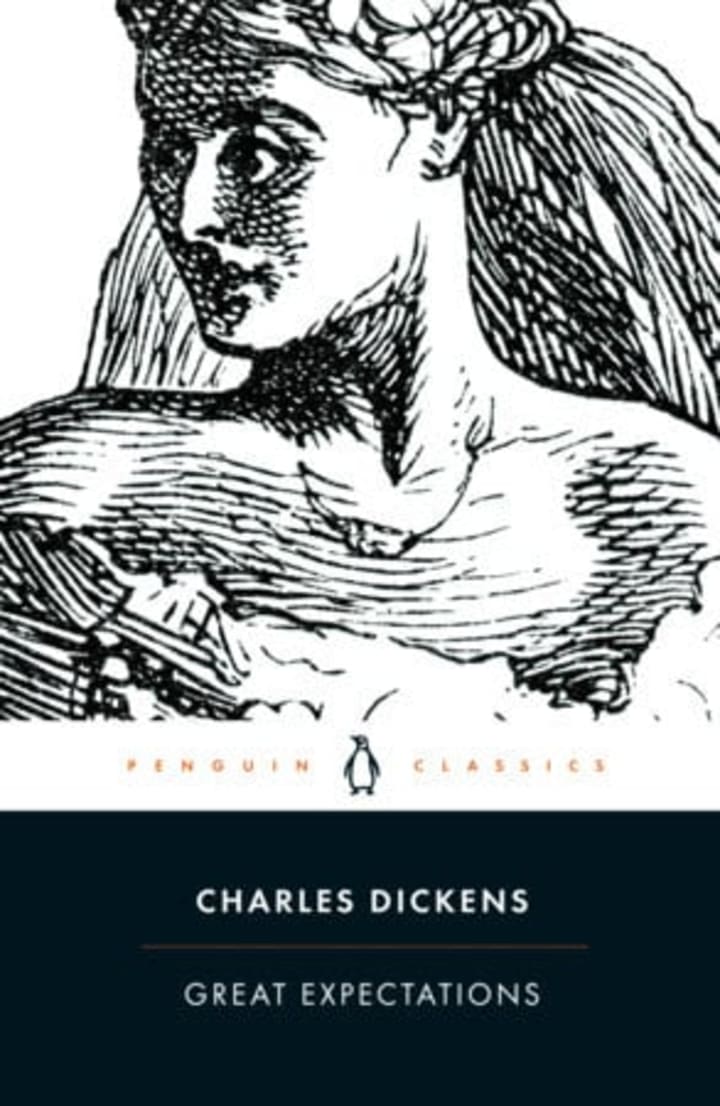
4. Great Expectations by Charles Dickens:
In "Great Expectations," Charles Dickens weaves a tale of ambition, identity, and the transformative power of love. Through the memorable character of Pip, Dickens delves into themes of class, morality, and the pursuit of self-discovery. This enduring classic offers a poignant exploration of the human condition.
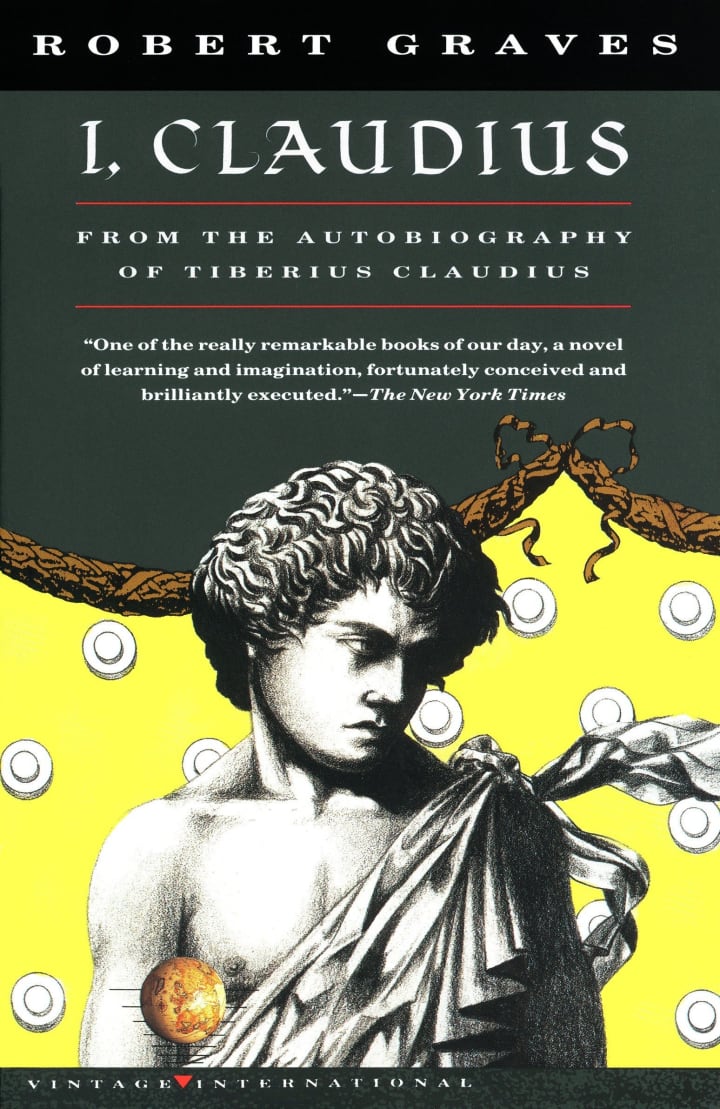
5. I, Claudius by Robert Graves:
Robert Graves's "I, Claudius" offers a fictionalized account of the Roman Empire through the eyes of the Emperor Claudius. This historical novel brings ancient Rome to life, painting a vivid picture of political intrigue, power struggles, and the complexities of the imperial court. Graves's meticulous research and compelling storytelling make this book a must-read for history enthusiasts.
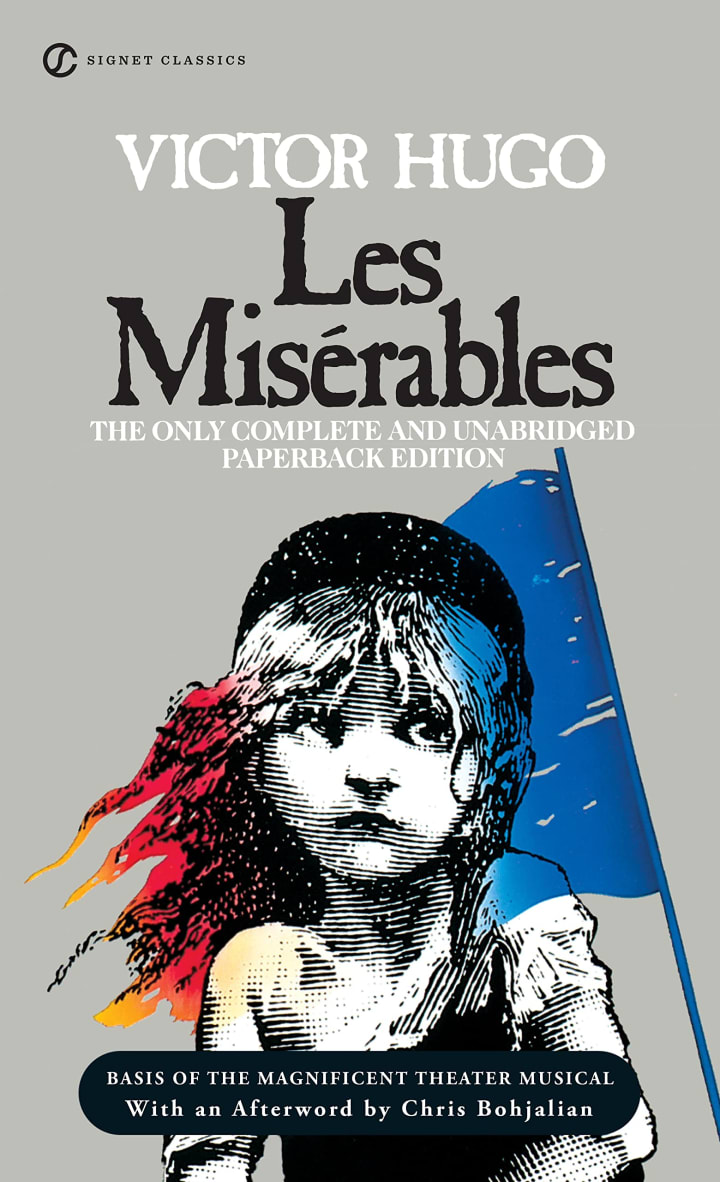
6. Les Misérables by Victor Hugo:
Victor Hugo's masterpiece, "Les Misérables," is a sweeping epic that delves into themes of justice, redemption, and the plight of the underprivileged. Set against the backdrop of 19th-century France, this profound novel follows the lives of its diverse cast of characters, offering a scathing critique of social inequality and a testament to the power of compassion.
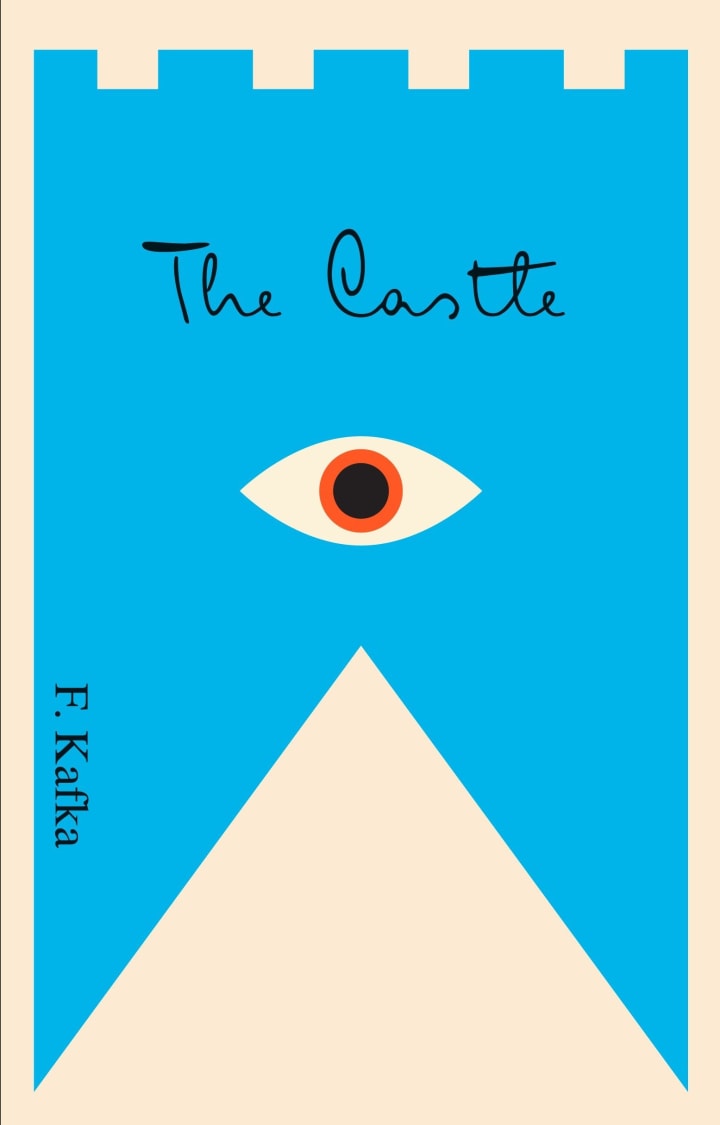
7. The Castle by Franz Kafka:
"The Castle" is a surreal and introspective novel by Franz Kafka that explores themes of bureaucracy, alienation, and the relentless pursuit of an elusive goal. Through the labyrinthine world of the Castle and its enigmatic authorities, Kafka presents a deeply existential examination of the individual's place in an incomprehensible and oppressive system.
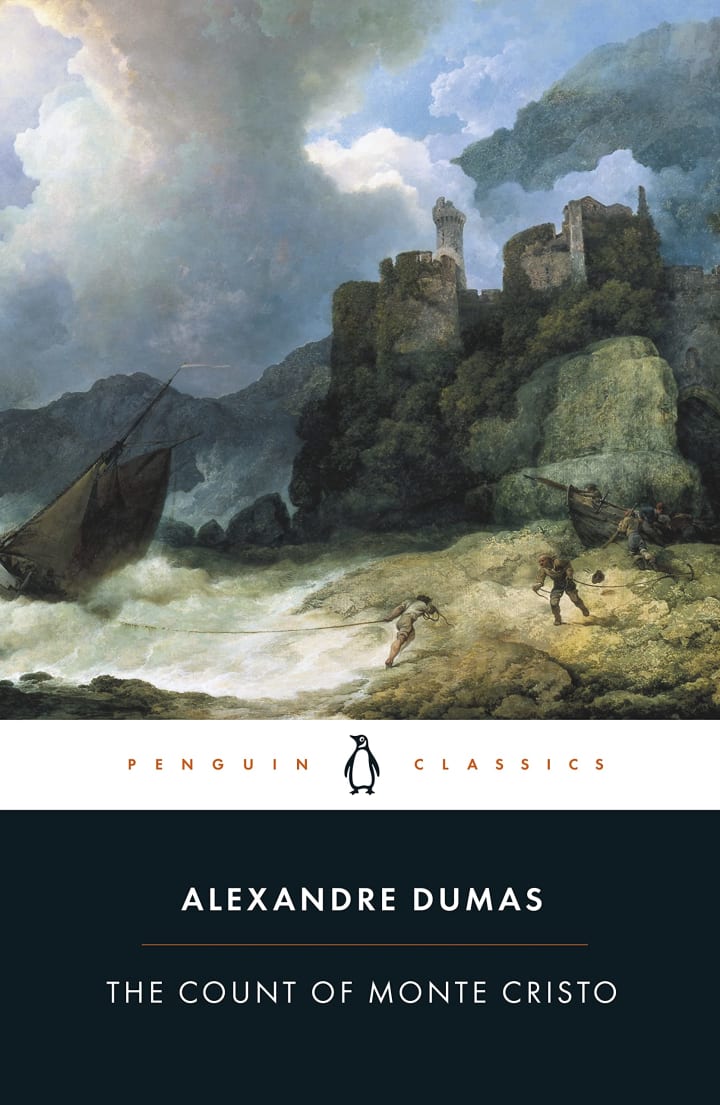
8. The Count of Monte Cristo by Alexandre Dumas:
"The Count of Monte Cristo" is a tale of revenge, betrayal, and the enduring power of the human spirit. Alexandre Dumas weaves a riveting narrative as Edmond Dantès seeks vengeance against those who wronged him. This thrilling adventure is a testament to the resilience of the human soul and the consequences of unchecked ambition.
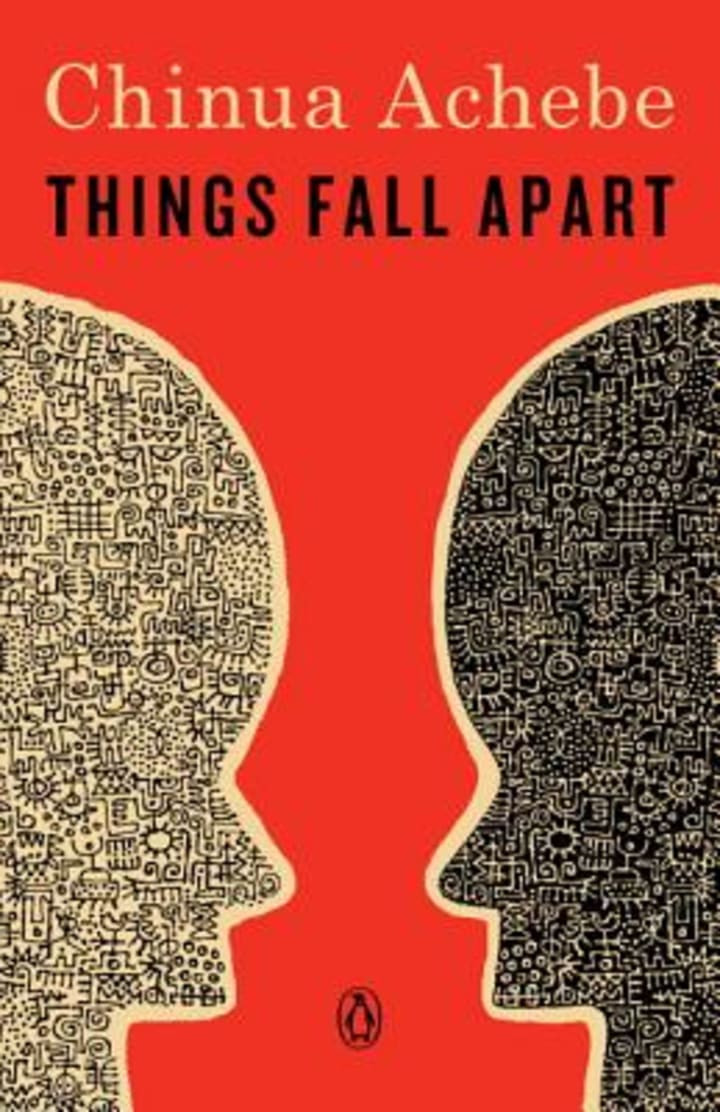
9. Things Fall Apart by Chinua Achebe:
Chinua Achebe's "Things Fall Apart" is a powerful exploration of African culture, colonialism, and the clash between tradition and modernity. Set in pre-colonial Nigeria, the novel follows Okonkwo, a respected warrior, as his world is upended by the arrival of European missionaries. Achebe's masterful storytelling sheds light on the complexities of cultural change and its impact on individuals and communities.
10. A House for Mr. Biswas by V.S. Naipaul:
"A House for Mr. Biswas" is a poignant and humorous novel that traces the life of Mohun Biswas, a man determined to attain independence and establish his place in the world. V.S. Naipaul's vibrant prose and vivid characters bring mid-20th-century Trinidad to life, exploring themes of identity, family, and the quest for belonging.
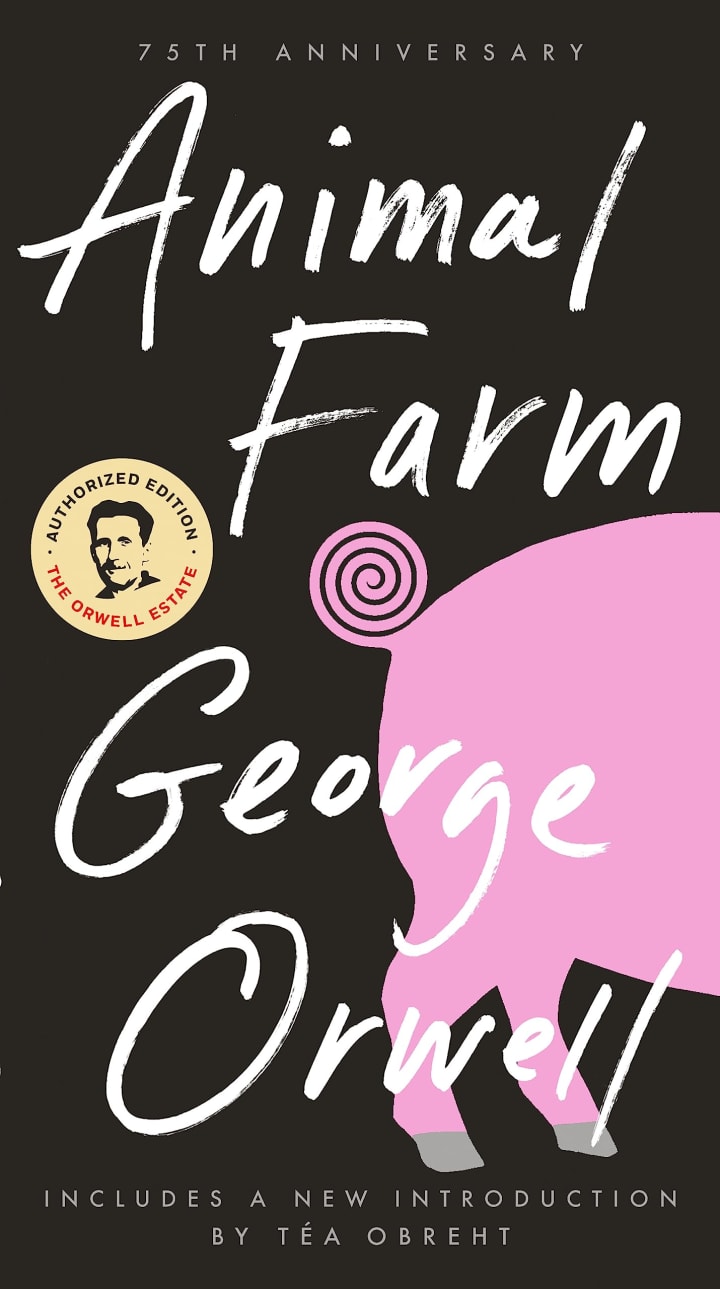
11. Animal Farm by George Orwell:
George Orwell's allegorical novella, "Animal Farm," serves as a scathing critique of totalitarianism and the corrupting nature of power. Through the lens of a farm where animals rebel against their human oppressors, Orwell illuminates the dangers of authoritarianism and the erosion of ideals in the pursuit of power.
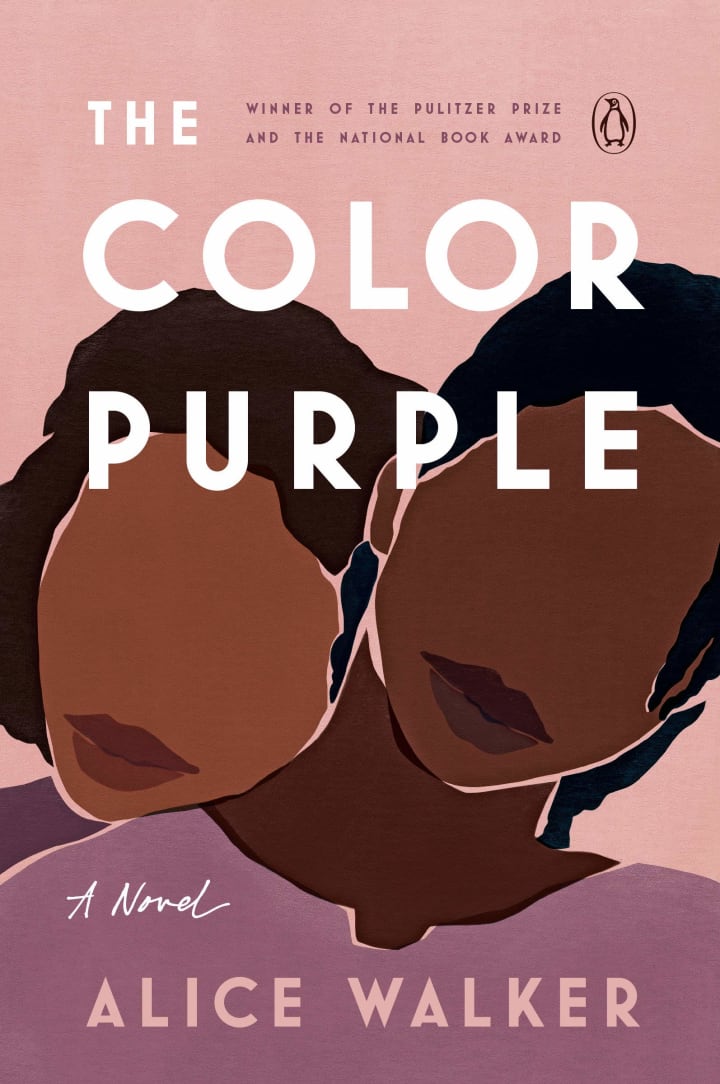
12. The Color Purple by Alice Walker:
"The Color Purple" by Alice Walker is a powerful story of resilience, identity, and the transformative power of love. Through the voice of Celie, an African-American woman in the early 20th century, Walker explores themes of race, gender, and the journey towards self-empowerment and liberation.
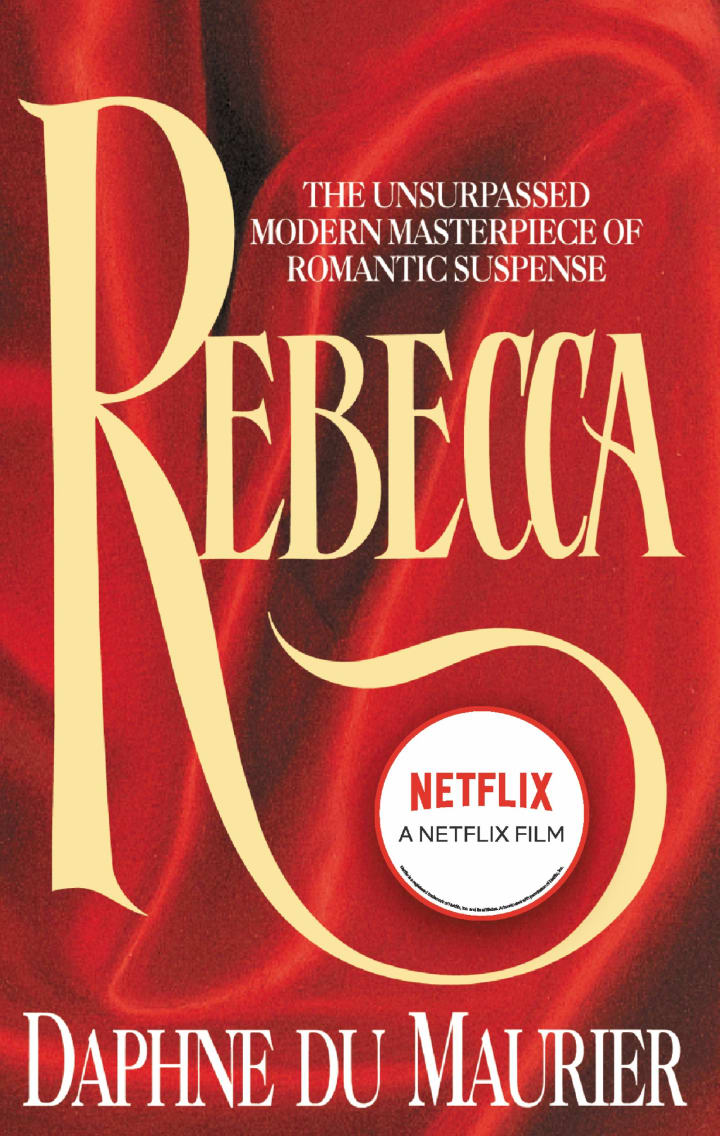
13. Rebecca by Daphne du Maurier:
"Rebecca" is a classic Gothic tale of love, jealousy, and the lingering influence of the past. Daphne du Maurier's atmospheric prose creates an eerie atmosphere as the young protagonist becomes entangled in the shadow of her husband's deceased first wife. This suspenseful novel delves into themes of identity, secrets, and the haunting power of memory.

14. The Waves by Virginia Woolf:
"The Waves" is a lyrical and experimental novel that explores the interconnected lives of six friends through interior monologues and poetic prose. Virginia Woolf's exploration of identity, time, and the ebb and flow of human existence creates a mesmerizing reading experience that challenges conventional narrative structures.
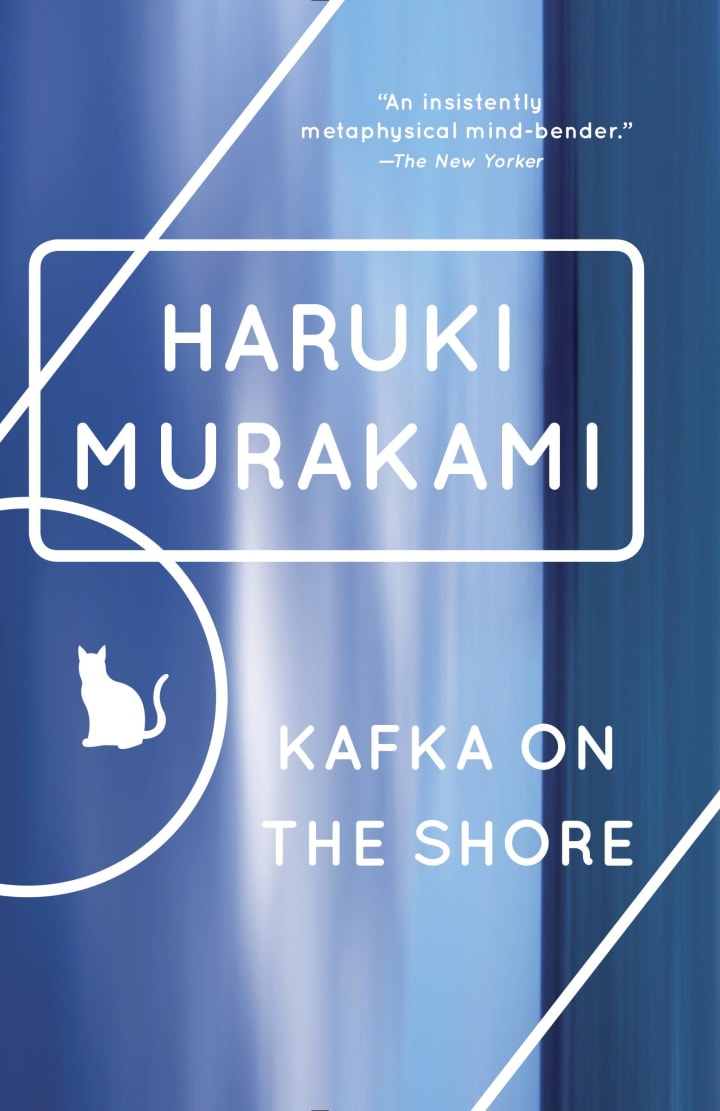
15. Kafka on the Shore by Haruki Murakami:
"Kafka on the Shore" is a surreal and thought-provoking novel that blurs the boundaries between reality and dreams. Haruki Murakami weaves together multiple narratives, creating a mesmerizing tale of identity, fate, and the search for meaning in a strange and unpredictable world.

16. The Bell Jar by Sylvia Plath:
"The Bell Jar" is a semi-autobiographical novel by Sylvia Plath that explores the struggles of Esther Greenwood, a young woman battling depression and societal pressures. Plath's powerful prose and candid depiction of mental health offer a raw and introspective journey into the human psyche.
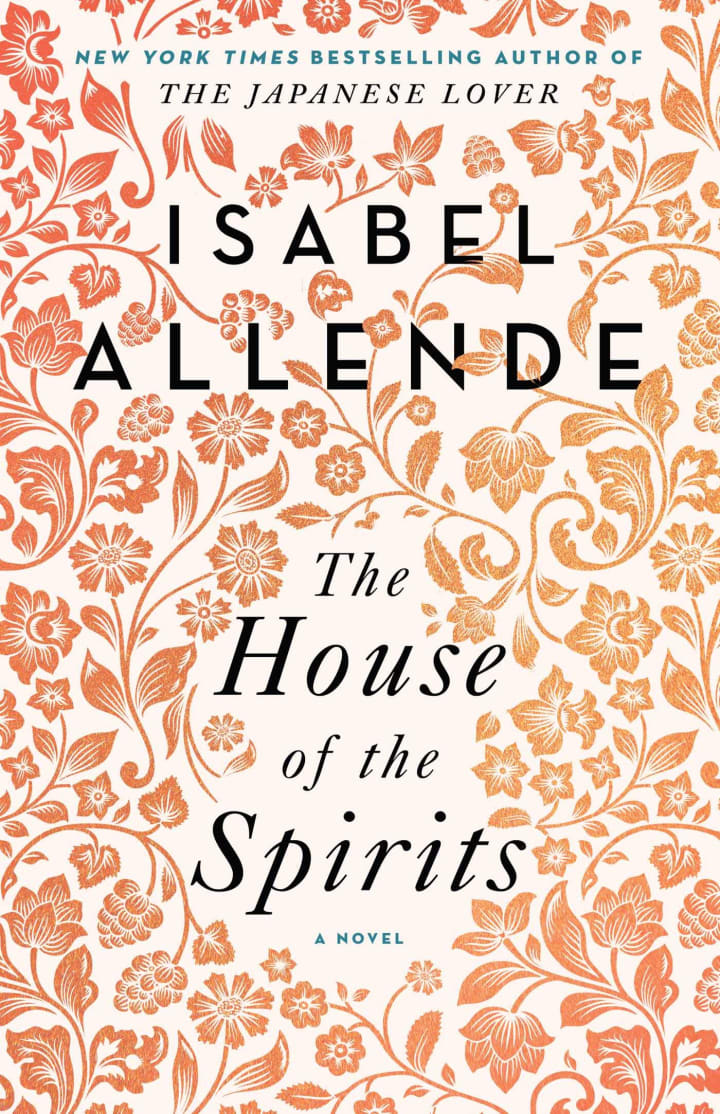
17. The House of the Spirits by Isabel Allende:
"The House of the Spirits" is a sweeping family saga set against the backdrop of political turmoil in Chile. Isabel Allende's magical realism and rich storytelling bring to life the Trueba family, delving into themes of love, power, and the interplay between the personal and the political.
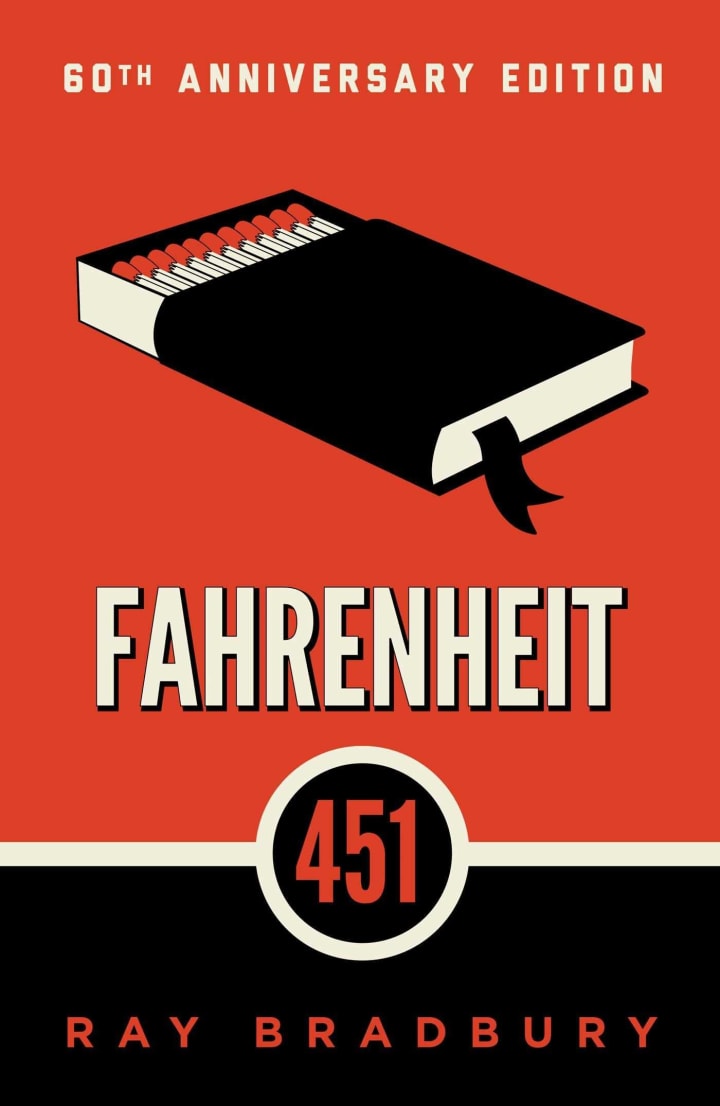
18. Fahrenheit 451 by Ray Bradbury:
Ray Bradbury's "Fahrenheit 451" is a dystopian novel that envisions a future where books are banned and burned to suppress individuality and critical thinking. Through the protagonist, Guy Montag, Bradbury explores the power of literature, the consequences of censorship, and the importance of intellectual freedom.
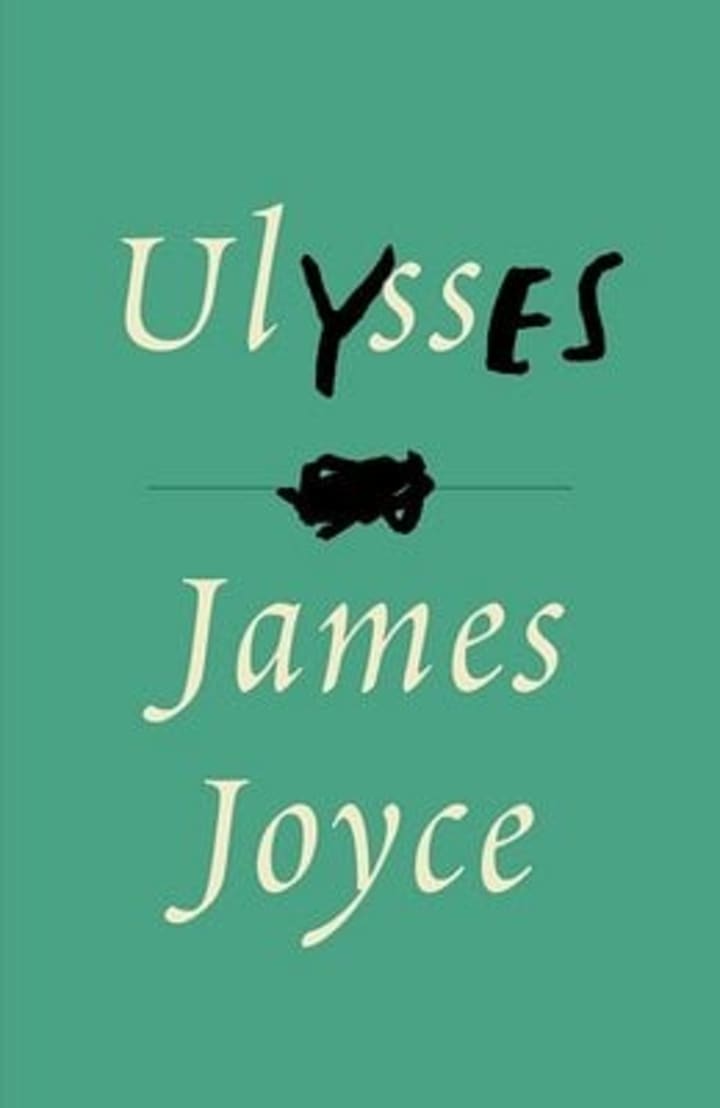
19. Ulysses by James Joyce:
"Ulysses" is a monumental and challenging novel that follows the experiences of Leopold Bloom and Stephen Dedalus over the course of a single day in Dublin. James Joyce's experimental writing style and intricate web of allusions delve into themes of identity, sexuality, and the human condition, pushing the boundaries of traditional narrative forms.
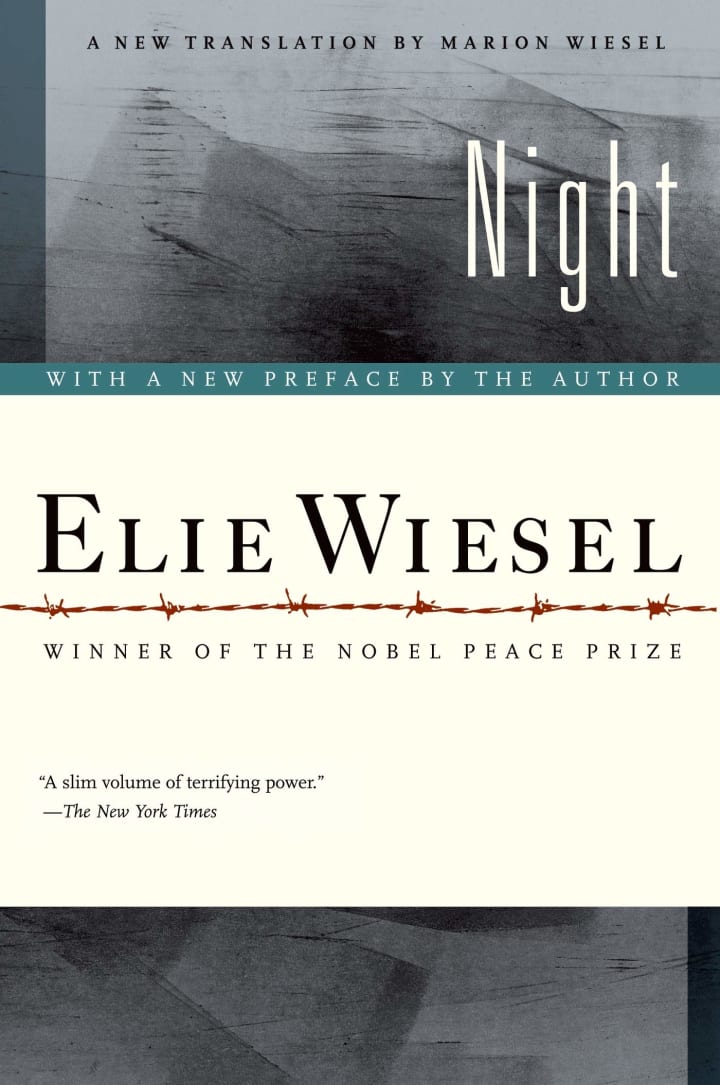
20. Night by Elie Wiesel:
"Night" is a searing memoir by Elie Wiesel that recounts his experiences as a teenager during the Holocaust. Wiesel's harrowing and introspective account of the atrocities he witnessed and endured serves as a powerful testament to the resilience of the human spirit and the importance of remembrance.
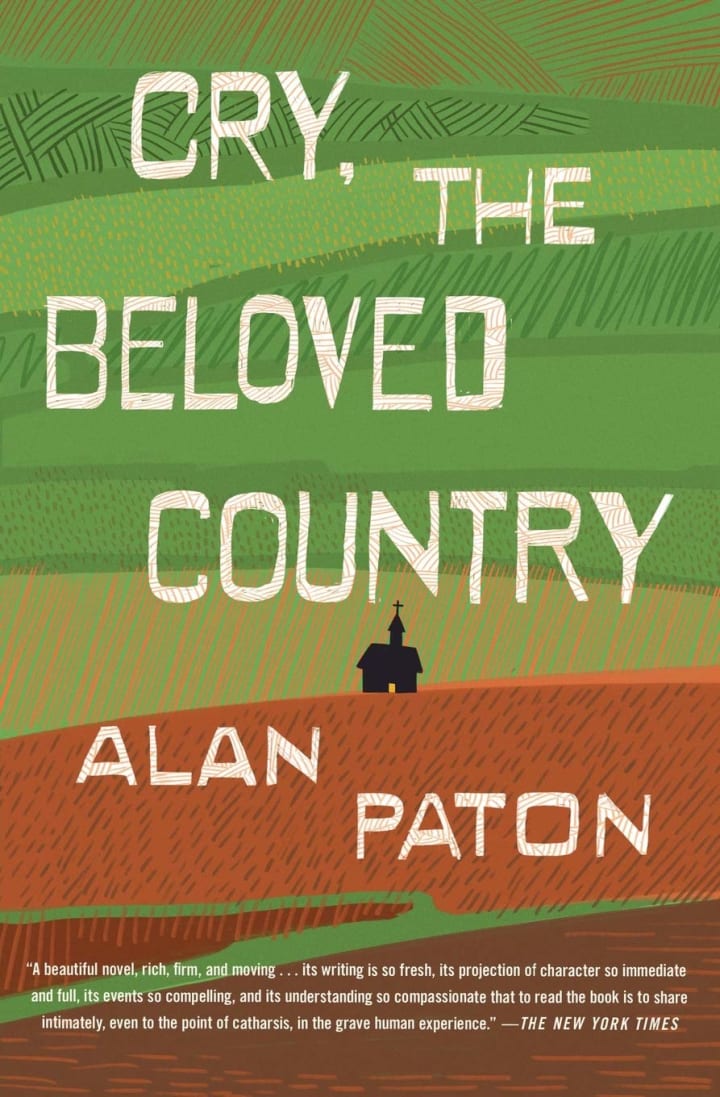
21. Cry, the Beloved Country by Alan Paton:
Alan Paton's "Cry, the Beloved Country" is a poignant and powerful novel set against the backdrop of apartheid South Africa. Through the parallel narratives of two fathers, one black and one white, Paton explores themes of racial injustice, reconciliation, and the search for understanding in a divided society.
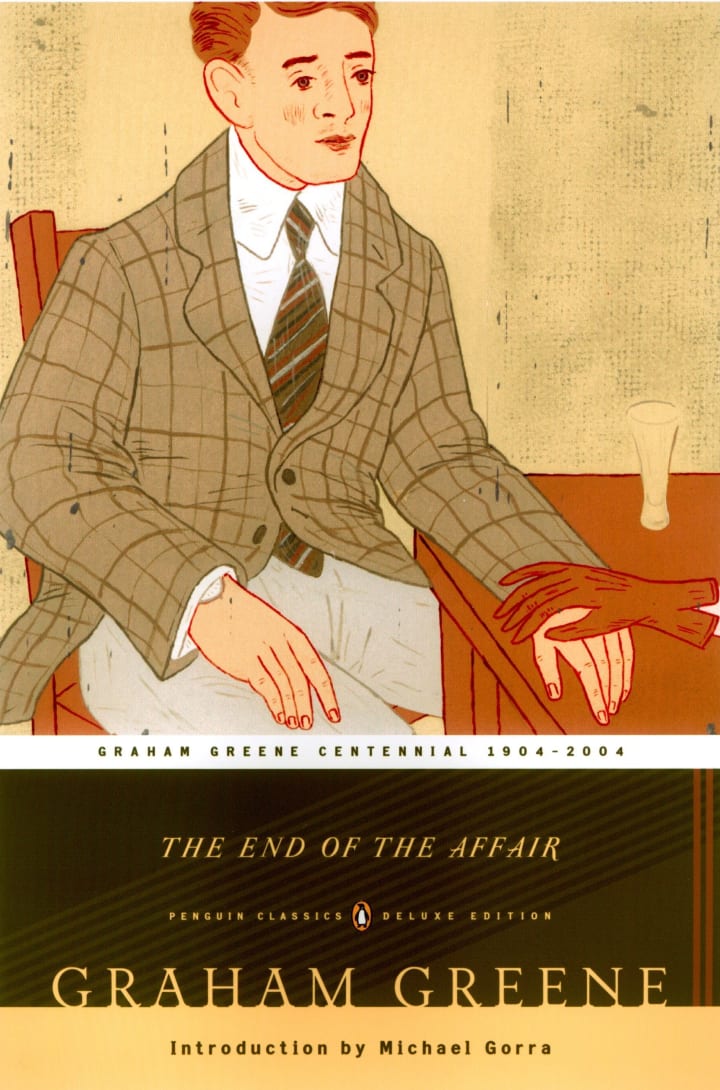
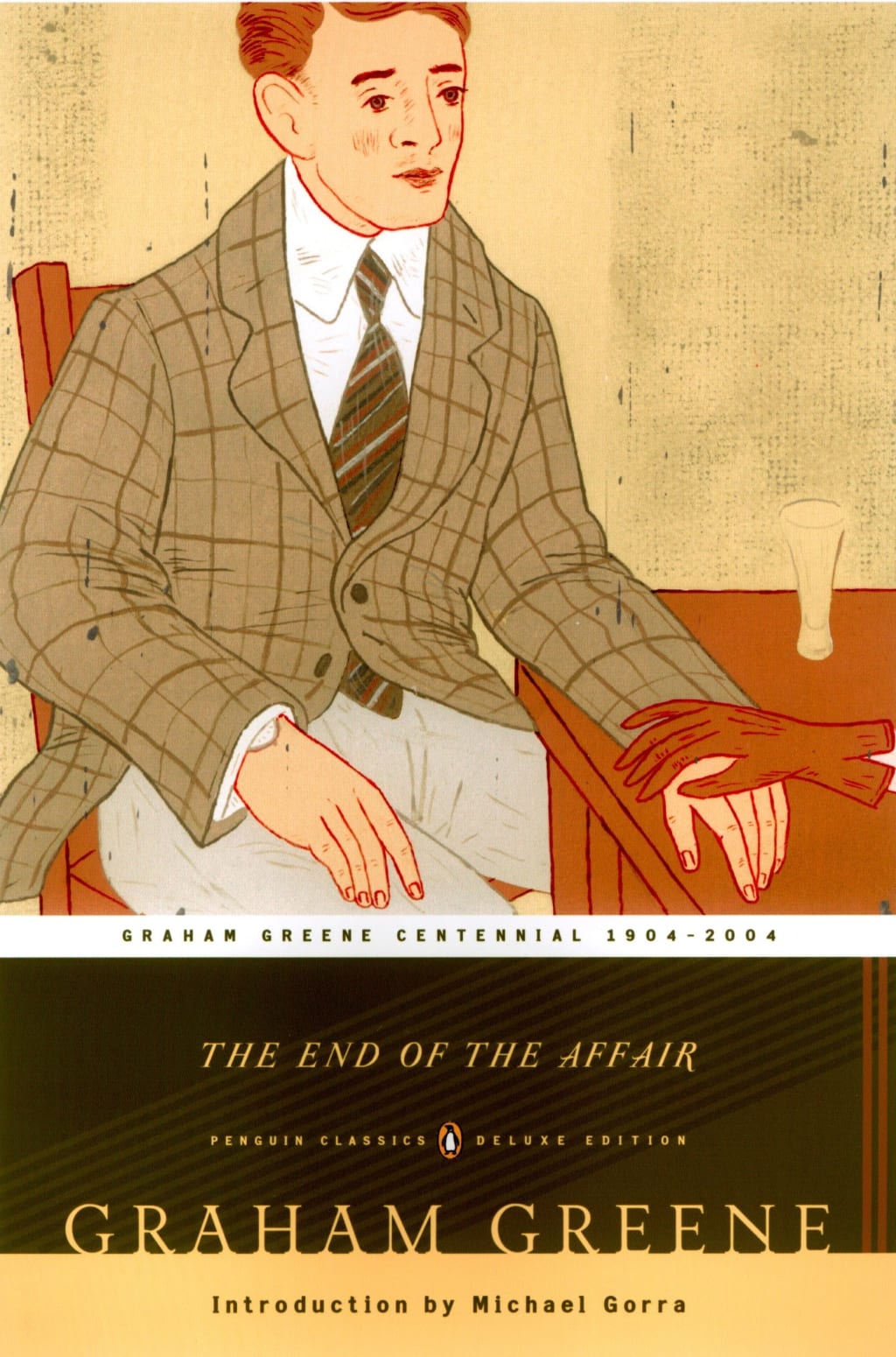
22. The End of the Affair by Graham Greene:
"The End of the Affair" is a deeply introspective novel that delves into themes of love, loss, and faith. Graham Greene's evocative prose and complex characters navigate the intricacies of romantic relationships and the complexities of human desire, culminating in a gripping exploration of passion and redemption.
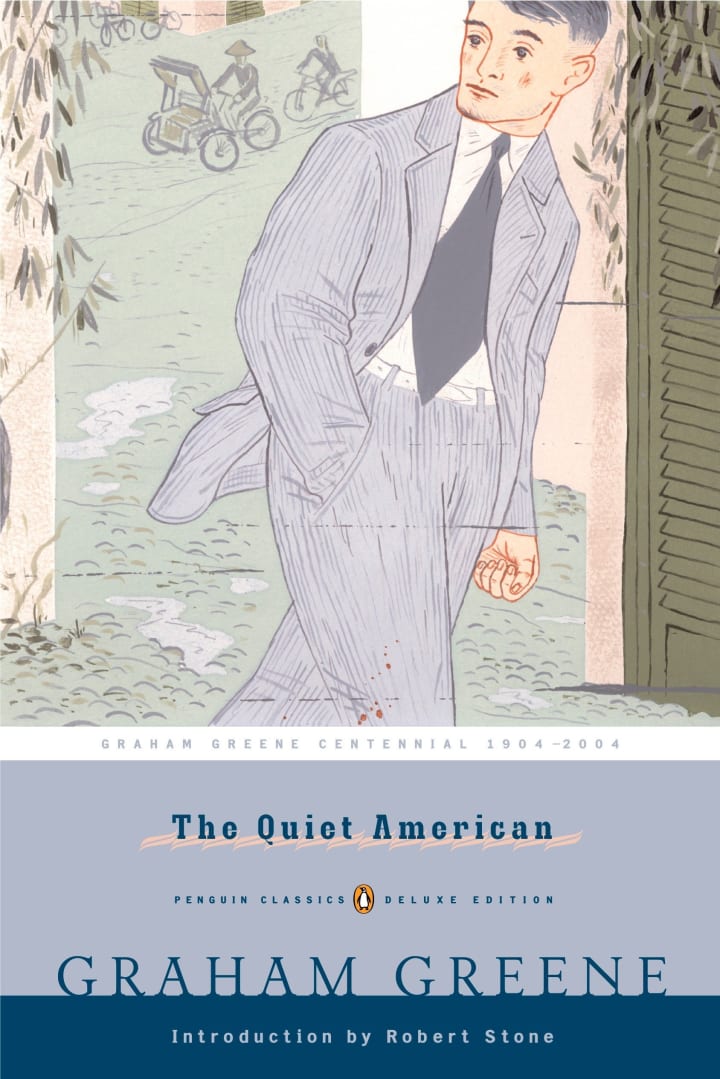
23. The Quiet American by Graham Greene:
"The Quiet American" is a thought-provoking novel set during the French Indochina War, exploring the clash between idealism and reality. Graham Greene's exploration of political intrigue, love, and moral ambiguity offers a profound meditation on the consequences of foreign intervention and the complexities of personal and political choices.
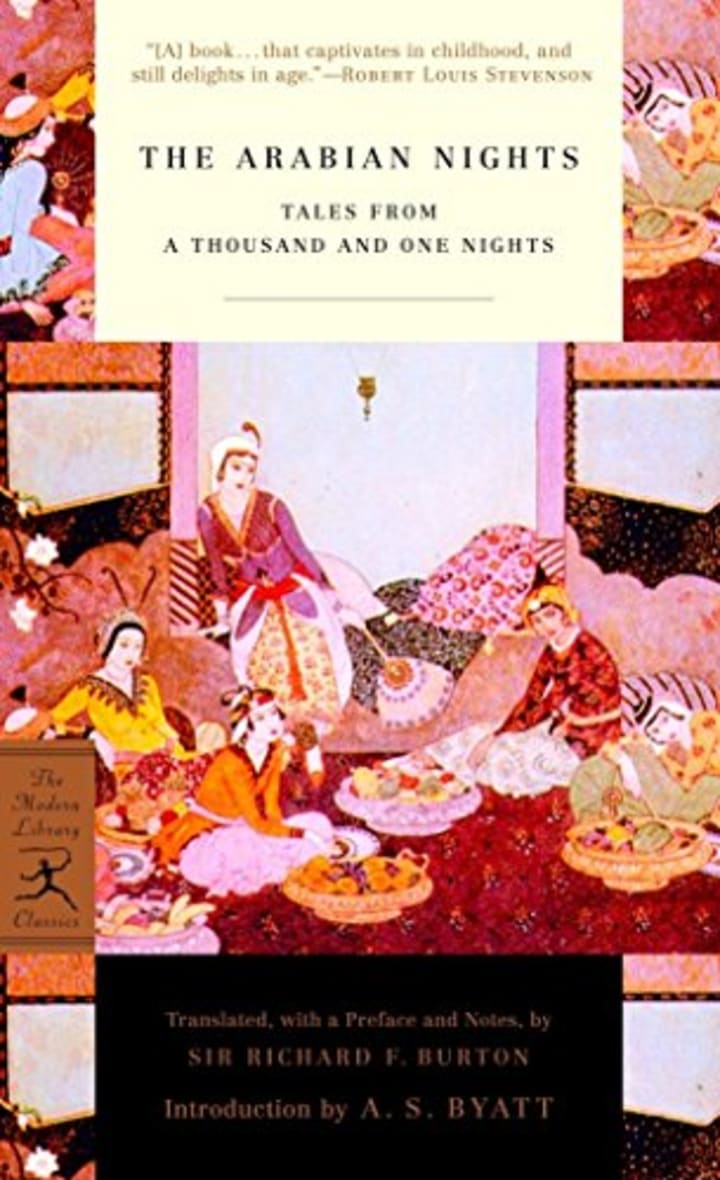
24. A Thousand and One Nights (Arabian Nights):
"A Thousand and One Nights," also known as "Arabian Nights," is a collection of ancient tales, myths, and legends from the Islamic Golden Age. These captivating stories, woven together by the framing narrative of Scheherazade, offer a rich tapestry of adventure, love, magic, and wisdom.
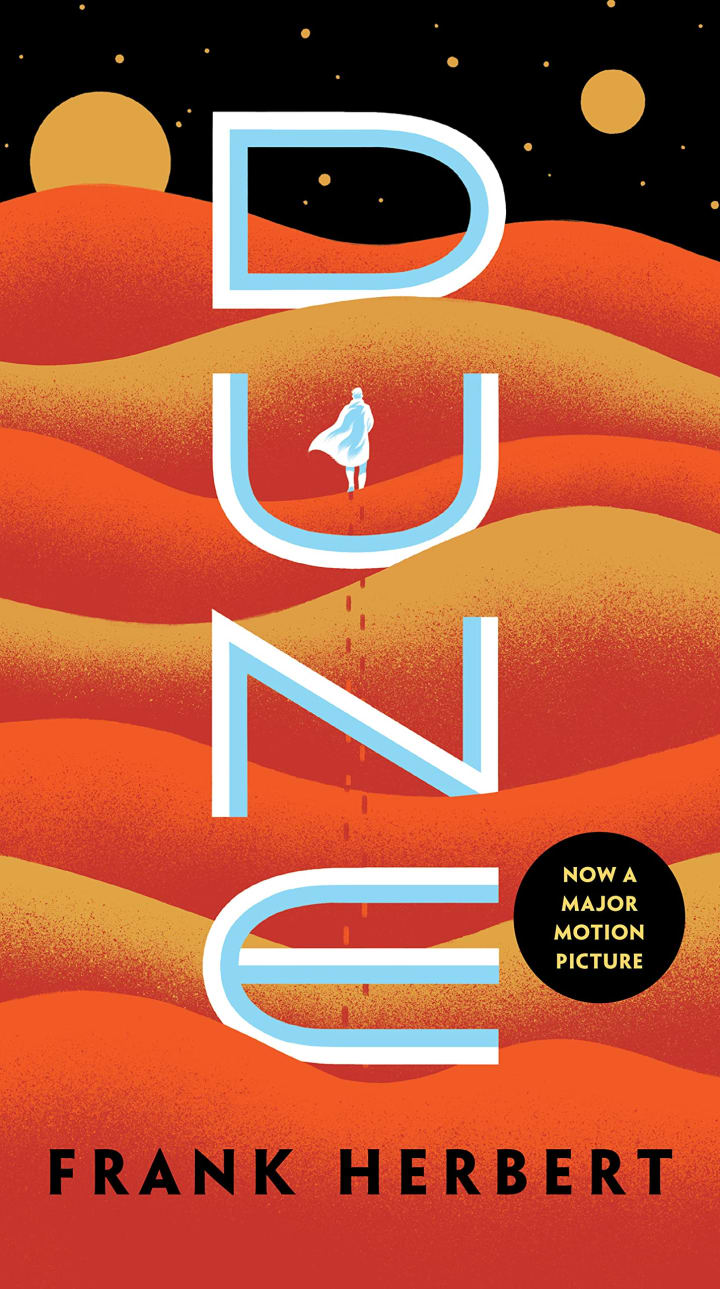
25. Dune by Frank Herbert:
"Dune" is a science fiction epic that transports readers to the desert planet of Arrakis, where interstellar politics, religious prophecy, and ecological struggles converge. Frank Herbert's expansive world-building, intricate plot, and exploration of power dynamics make "Dune" a seminal work of the genre.
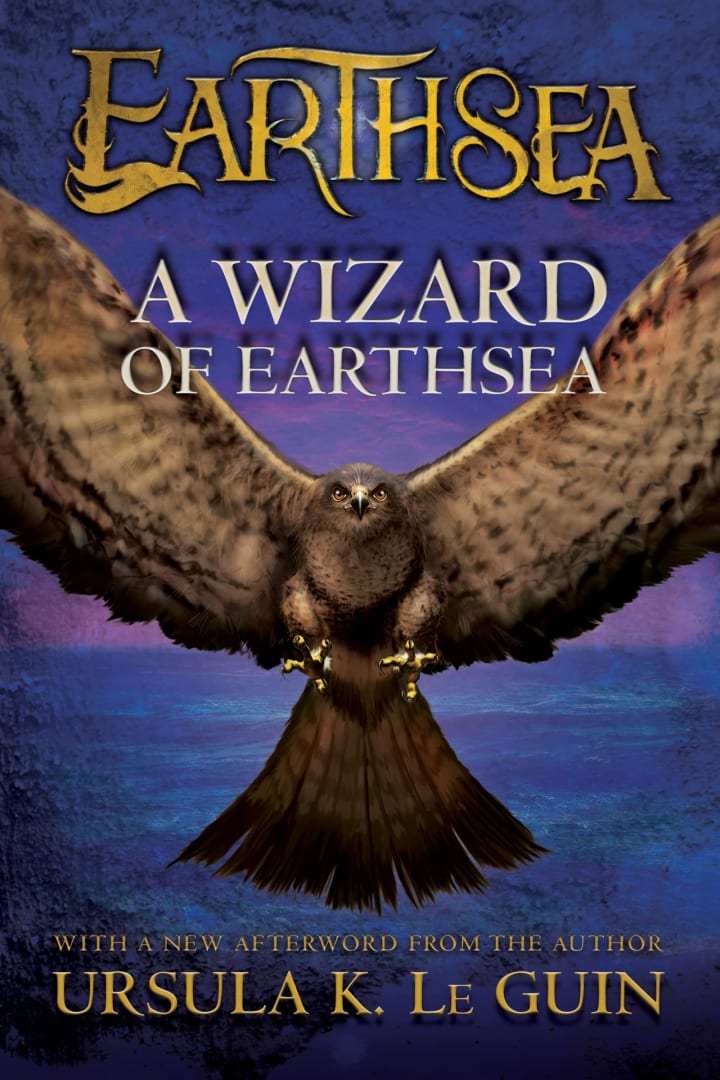
26. A Wizard of Earthsea by Ursula K. Le Guin:
"A Wizard of Earthsea" is a beloved fantasy novel that follows the journey of Ged, a young wizard, as he confronts his own inner darkness. Ursula K. Le Guin's immersive world, rich with magic and moral lessons, explores themes of self-discovery, balance, and the consequences of wielding power.

27. The Hitchhiker's Guide to the Galaxy by Douglas Adams:
"The Hitchhiker's Guide to the Galaxy" is a comedic science fiction series that follows the misadventures of Arthur Dent as he traverses the cosmos. Douglas Adams's witty and irreverent storytelling, filled with intergalactic absurdity and philosophical musings, has become a beloved cult classic.
Conclusion:
These 27 literary masterpieces serve as a testament to the power of storytelling and the enduring impact of great literature. From the haunting depths of Toni Morrison's "Beloved" to the gripping adventure of Alexandre Dumas's "The Count of Monte Cristo," each book on this list offers a unique and transformative reading experience. Whether you're seeking thought-provoking themes, immersive historical settings, profound character studies, or flights of imagination, these must-read classics have something to offer every literary enthusiast. So, pick up a book, immerse yourself in these literary worlds, and allow these timeless masterpieces to enrich your reading journey.
About the Creator
NovelNest Books
Book Recommendations
Keep reading
More stories from NovelNest Books and writers in Fiction and other communities.
18 Classic Dramatic Masterpieces: A Timeless Journey Through Iconic Plays
This is a special list, with books recommended by one of my followers - Robert Catlin! In the realm of literature, certain plays have left an indelible mark on the stage, captivating audiences for generations. These works of art have stood the test of time, offering profound insights into the human condition, exploring complex themes, and showcasing the brilliance of their playwrights. In this blog post, we embark on a timeless journey through 18 classic dramatic masterpieces, ranging from Arthur Miller's poignant exploration of the American Dream to Shakespeare's immortal tragedies and the thought-provoking works of Anton Chekhov and Henrik Ibsen. Join us as we delve into these iconic plays, their enduring relevance, and their impact on the world of theater.
By NovelNest Books3 years ago in Fiction




Comments
There are no comments for this story
Be the first to respond and start the conversation.