
The Most Popular Creatures of Slavic Folklore
A World Alive with Spirits and Legends
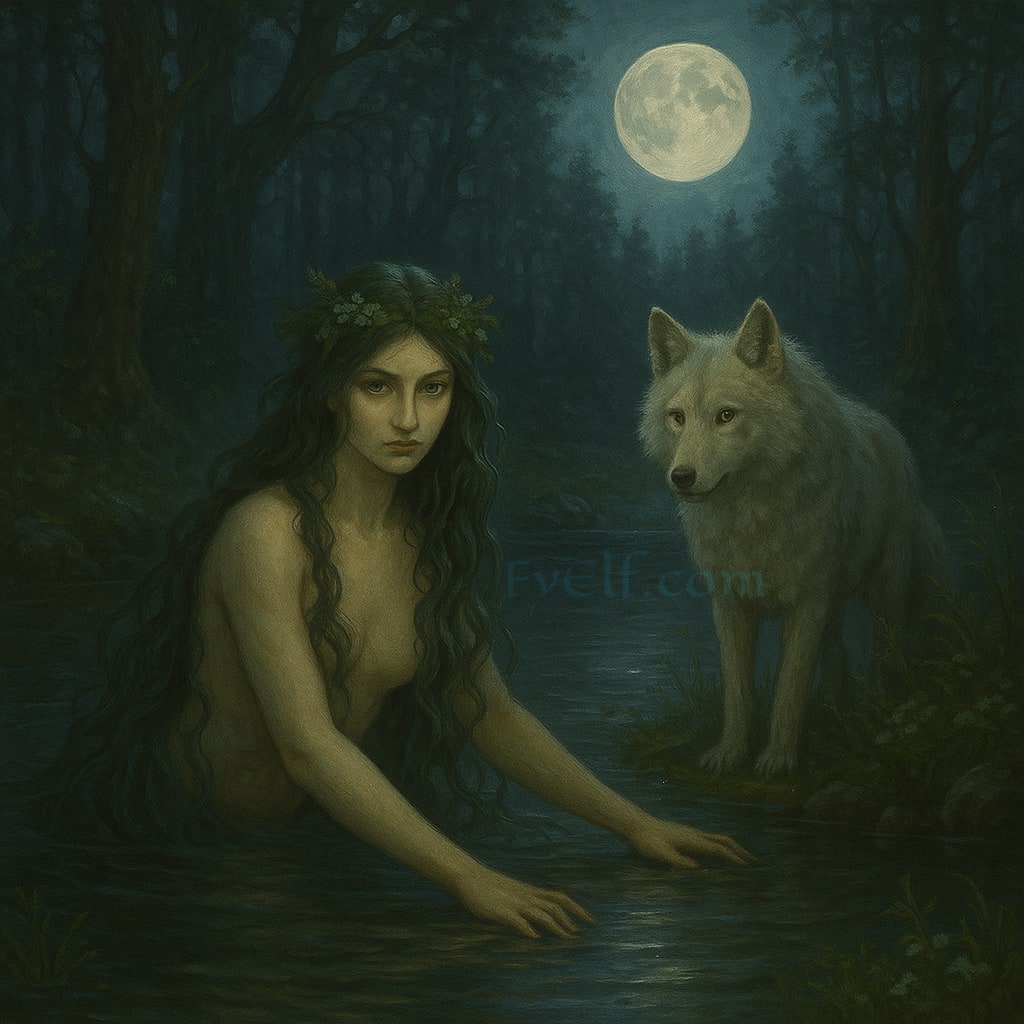
Slavic folklore is one of the richest traditions of Europe, filled with witches, spirits, dragons, and magical beings. These creatures were more than stories told around the fire—they explained the mysteries of nature, taught moral lessons, and reflected the struggles of daily life in villages surrounded by forests, rivers, and endless fields.
Some creatures protected households, others tested travelers, and some brought fear into the hearts of entire communities. Yet together, they created a worldview in which the natural and supernatural were inseparable.
Let’s meet the most popular and enduring figures of Slavic mythology.
Baba Yaga: The Witch of the Dark Forest
Few figures are as famous as Baba Yaga, the terrifying old witch who lives in a hut that stands on chicken legs. She rides through the air in a mortar and pestle, sweeping away her tracks with a broom.
But Baba Yaga is not a simple villain. In some stories, she devours the unwary; in others, she helps brave heroes who prove their worth. This dual role reflects the forest itself—both threatening and life-giving. Baba Yaga embodies the mystery of the wild, teaching respect for forces beyond human control.
Rusalka: The Deadly Water Maiden
The Rusalka is a water spirit, often imagined as a beautiful young woman with long hair, haunting rivers and lakes. Rusalki were said to be the restless souls of women who died untimely deaths, especially by drowning.
At night, they would rise from the water to lure men with their beauty, dragging them beneath the surface. In some traditions, however, they watered fields and brought fertility, showing their dual nature as both life-givers and destroyers. The Rusalka reminds us that water, like all of nature, is both essential and dangerous.
Domovoi: The Spirit of the Home
Every household in Slavic tradition had its own invisible guardian: the Domovoi. Usually depicted as a small, bearded old man, he lived near the hearth, protecting the family and livestock.
A happy Domovoi brought warmth, prosperity, and safety. But if angered, he could cause mischief—hiding tools, frightening animals, or even abandoning the house altogether. Families left small offerings of bread, milk, or ash to keep him content.
The Domovoi reflects how deeply sacred the home was to Slavic culture. To care for one’s spirit was to care for one’s family and ancestors.
The Firebird: A Prize of Beauty and Danger
The Firebird glowed with feathers of gold and flame, a wonder sought by many heroes in fairy tales. Its feathers could light up an entire room, but possessing them often led to misfortune.
Heroes who pursued the Firebird found themselves caught in dangerous quests. The Firebird symbolized beauty that inspires but also challenges—a reminder that great prizes often come with great risks. Its story continues to shine in art, ballet, and literature, symbolizing wonder and the cost of ambition.
Leshy: Lord of the Forest
The forests of Eastern Europe were vast and mysterious, and the Leshy personified their power. A shape-shifting spirit, the Leshy could appear as a giant, a child, or even a tree.
Travelers who angered him might be led astray for hours or days, trapped in circles until they collapsed. Yet if respected, the Leshy could be a protector of the woods, ensuring balance in nature. He represents the spirit of the forest—sometimes playful, sometimes terrifying, but always reminding humans of their place within nature’s order.
Koschei the Deathless: The Immortal Villain
In tales of evil and endurance, few figures stand out like Koschei the Deathless. A skeletal sorcerer, he could not be killed by normal means. His soul was hidden in a needle inside an egg, within a duck, within a hare, locked in a chest buried under a tree—an elaborate puzzle of immortality.
Koschei often kidnapped maidens and hoarded treasure. To defeat him, heroes had to unravel the mystery of his hidden soul. He embodies humanity’s fear of death and desire to escape it—but also the corruption of those who cling to power forever.
Zmey Gorynych: The Three-Headed Dragon
Every culture has its dragons, and the Slavs feared Zmey Gorynych, a three-headed fire-breathing serpent. Dwelling in mountains or caves, he terrorized villages, demanding tribute or capturing maidens.
Heroes—often princes or knights—faced him in epic battles, cutting off each head with sword or fire. The dragon represented chaos, destruction, and tyranny, while his defeat symbolized courage, order, and renewal. Zmey Gorynych remains one of the most iconic monsters in Slavic storytelling.
Why These Creatures Matter
Together, these creatures form a picture of how the Slavs understood the world:
Baba Yaga and Leshy taught respect for the unpredictable forest.
Rusalki and the Firebird warned of beauty’s double edge—life-giving but dangerous.
Domovoi showed the sacredness of home and ancestors.
Koschei and the dragon embodied threats that required courage and cunning to overcome.
They were not just “monsters” or “spirits”—they were reflections of daily life in a world where nature, family, and fate shaped survival.
Conclusion: Legends That Still Shape Culture
From fairy tales to modern fantasy, the creatures of Slavic folklore still inspire us. Baba Yaga appears in novels and films; the Firebird glows in music and ballet; Koschei and Zmey Gorynych haunt video games and stories.
These beings endure because they speak to universal truths: that nature is powerful, that beauty can deceive, that home must be protected, and that courage is always needed against forces of chaos.
Slavic folklore gave these lessons form, face, and story. And even now, in the rustle of forests or the shimmer of rivers, their echoes remain.
About the Creator
Ancient Spirit
Exploring the echoes of ancient civilizations, sacred symbols, and timeless traditions. Writing about mythology, history, and the stories that still shape our world today.
Keep reading
More stories from Ancient Spirit and writers in Fiction and other communities.
Mythical Creatures of the North: Legends from Norse Mythology
When the Vikings looked at the world around them, they saw danger everywhere. Long winters, raging seas, and untamed forests shaped their lives. To explain these forces—and perhaps to face them with a measure of courage—they created stories. These stories were full of gods and heroes, yes, but also of the creatures that lurked in the shadows: wolves destined to swallow gods, serpents coiled around the earth, and the restless dead who refused to stay in their graves.
By Ancient Spirit5 months ago in History
Off the Book
It ended like every other stupid idea. Badly, and alone. I’m researching digital confession ethics, he said. A tech ethicist. He gestured at floating data I couldn’t see then pulled out a physical notebook. Actual paper, fountain pen. He held it up like he was showing me scripture.
By Nicky Frankly2 days ago in Fiction
A Letter to the Firestarter
Dear Firestarter, We can all see you, we've been watching you since you began. In case you didn't know we were here before you and we will be here after. We witnessed your rise, your setbacks, your guilt and your lies. We witnessed you start the fire.
By Donny Foley2 days ago in Poets


Comments