
The Loneliness Between the Lyrics
What our favorite sad songs reveal about us when no one’s listening

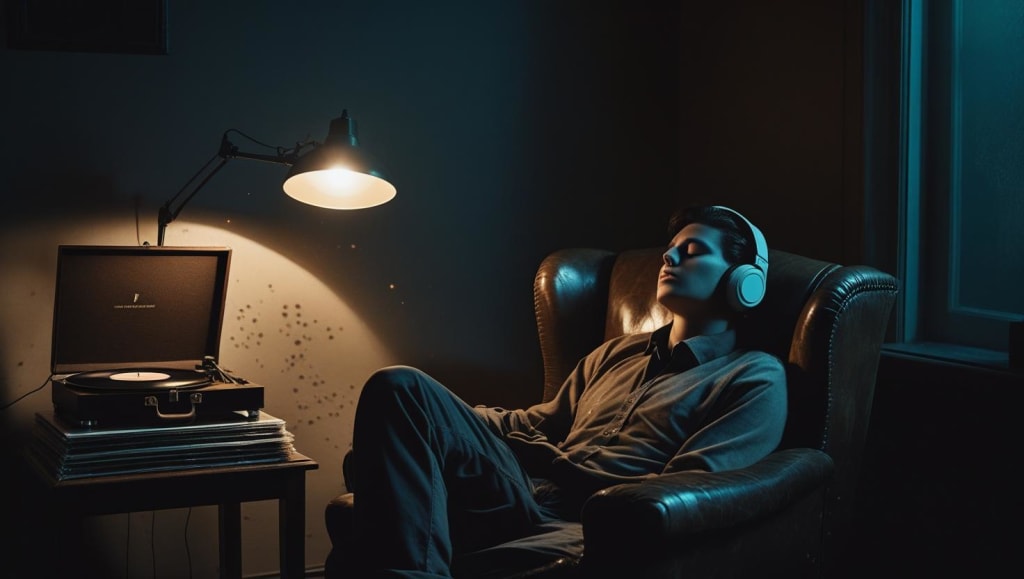
There’s a particular kind of silence that exists after a song ends—a silence that somehow feels louder than the music ever did. It lingers, like the echo of a thought you can’t finish or a feeling you don’t have words for.
I’ve always believed that we don’t just listen to music—we confide in it. We press play not to hear the singer, but to hear ourselves, mirrored in melodies we didn’t write but deeply understand. Sad songs especially carry this weight. They give us permission to feel things we often hide, even from ourselves.
When I was sixteen, I discovered “Skinny Love” by Bon Iver. I didn’t know heartbreak yet, not in the way adults did, but the first time I heard it, I cried. I couldn’t explain why. There was just something about the way the voice cracked, the way the lyrics stumbled over raw emotion—it cracked something in me too. It was like grief waiting for a story.
That’s the strange magic of sad songs—they meet us where we are, but they also take us where we’re afraid to go. A single lyric can hit harder than an entire conversation. A soft piano note can cut through armor we’ve spent years building.
Why do we return to these songs when we’re already hurting?
Some might say it's masochism, that we enjoy the pain. But I think it’s about validation. A sad song doesn’t try to fix you. It doesn’t interrupt with advice or minimize your feelings. It just says, “Yes, I’ve been there too.” And sometimes, that’s all we need.
We play our favorite sad songs when the world gets too loud—when no one’s texting back, when the city lights blur through the rain on the window, when we feel a little too much and not quite enough at the same time. In those moments, the lyrics become our diary, sung back to us in someone else’s voice.
But here’s the beautiful twist: in sharing this kind of loneliness, we find connection. Even if no one else is in the room, we are never truly alone. Someone, somewhere, wrote those words. Someone else sings them. Millions listen. A global, invisible choir of broken hearts, humming the same tune.
There’s a reason why your breakup playlist gets more plays than your gym one. There’s a reason why artists like Phoebe Bridgers, Adele, Sufjan Stevens, and Frank Ocean thrive. They don’t just entertain; they translate our aching into art.
The loneliness between the lyrics is where the real conversation happens—the unsaid things we feel deeply. It’s the pause after the verse, the breath before the chorus, the space where we remember that we’re human.
So the next time you find yourself pressing replay on that one devastating track, don’t feel embarrassed. You’re not stuck—you’re searching. And in the echo of that search, there’s a strange kind of hope. The kind that says: “I’ve felt this before. I survived. I will again.”
Because healing doesn’t always sound like joy. Sometimes, it sounds like sadness with a rhythm. And that’s more than enough.
About the Creator
Shohel Rana
As a professional article writer for Vocal Media, I craft engaging, high-quality content tailored to diverse audiences. My expertise ensures well-researched, compelling articles that inform, inspire, and captivate readers effectively.
Keep reading
More stories from Shohel Rana and writers in Fiction and other communities.
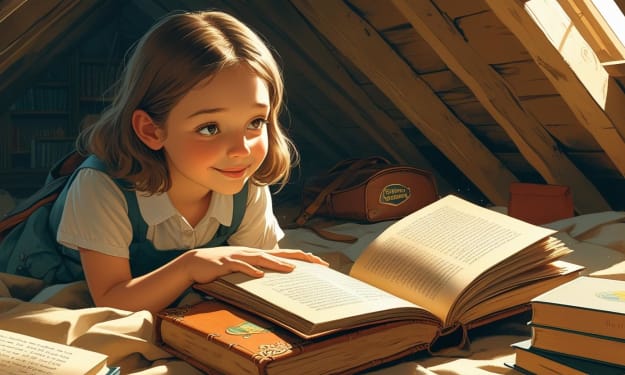
The Book That Changed Her World
It was a rainy Thursday afternoon when Mia found herself hiding from gym class in the back corner of the school library. She wasn’t particularly fond of dodgeballs or team sports. Her comfort zone was silence and solitude, far away from the chaos of bouncing balls and shouting kids. That day, though, she stumbled upon something unexpected — a book with a cracked spine and faded cover titled “The Girl Who Saw the Wind.”
By Shohel Rana6 months ago in Fiction

Comments (1)
“Your writing has real appeal. With a smart promo plan, it could reach so many more readers, open to chatting?”