
The Importance of Onions: A Nutrient-Rich Powerhouse in Every Variety
A Nutrient-Rich Powerhouse in Every Variety

Onions are an indispensable ingredient in kitchens worldwide, not only for their ability to enhance flavors but also for their remarkable health benefits. Whether you’re using red, yellow, white, or green onions, this humble vegetable packs a powerful punch of nutrients, making it an essential part of a healthy diet. Onions have been cultivated for centuries, prized for their versatility, flavor, and medicinal properties. Let’s dive into why onions are so important and explore the benefits each variety offers.
A Nutritional Powerhouse
Onions are low in calories but rich in essential nutrients. They are a good source of vitamins, minerals, and antioxidants that can help boost your immune system, improve heart health, and reduce inflammation. One of the key components in onions is quercetin, a flavonoid that has been shown to have antioxidant and anti-inflammatory effects. Quercetin helps neutralize free radicals in the body, potentially lowering the risk of chronic diseases such as heart disease and cancer.
Onions are also high in vitamin C, which is vital for skin health, immune function, and collagen production. Additionally, they contain vitamin B6, folate, and potassium, contributing to overall well-being.
Types of Onions and Their Benefits
Onions come in various types, each offering unique flavors and health benefits. Understanding the differences between onion varieties can help you make the best choice for your meals and your health.
1. Red Onions
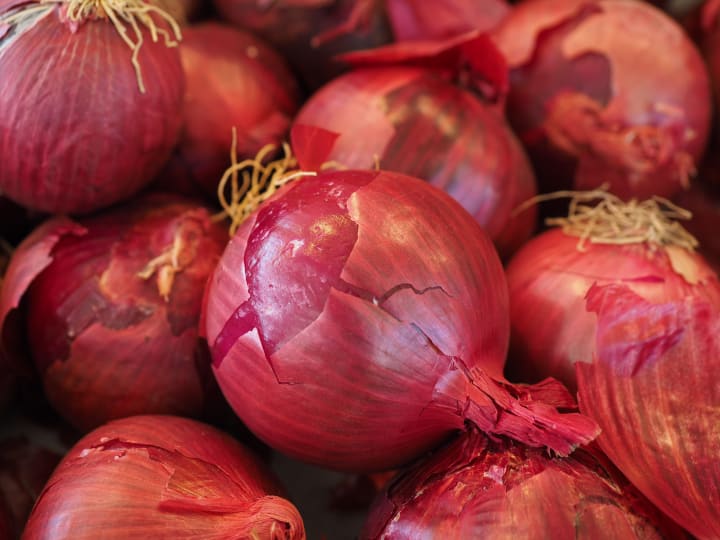
Red onions are often favored for their vibrant color and slightly sweet taste. They are rich in antioxidants, particularly anthocyanins, which give them their red hue. These antioxidants are known to help protect against cancer, lower the risk of heart disease, and support healthy cholesterol levels.
Red onions are also high in fiber, which aids in digestion and promotes gut health. Their mildly sweet flavor makes them perfect for raw preparations like salads, sandwiches, or as a garnish on burgers.
2. Yellow Onions
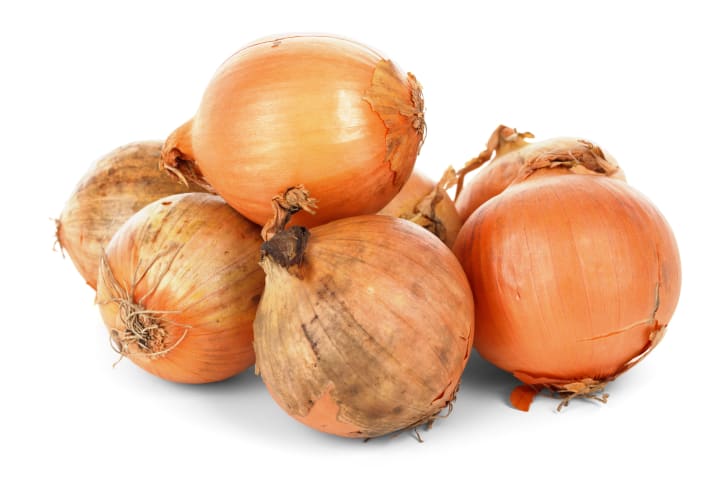
Yellow onions are the most commonly used variety and are known for their strong flavor, which mellows out and becomes sweeter when cooked. They are excellent for caramelizing, roasting, or adding to soups and stews. Yellow onions are rich in sulfur compounds, which are responsible for their pungent aroma and many of their health benefits.
These sulfur compounds can help lower blood sugar levels, improve heart health by reducing cholesterol, and act as natural blood thinners, reducing the risk of blood clots. Yellow onions are also a great source of prebiotics, which promote the growth of beneficial bacteria in the gut.
3. White Onions
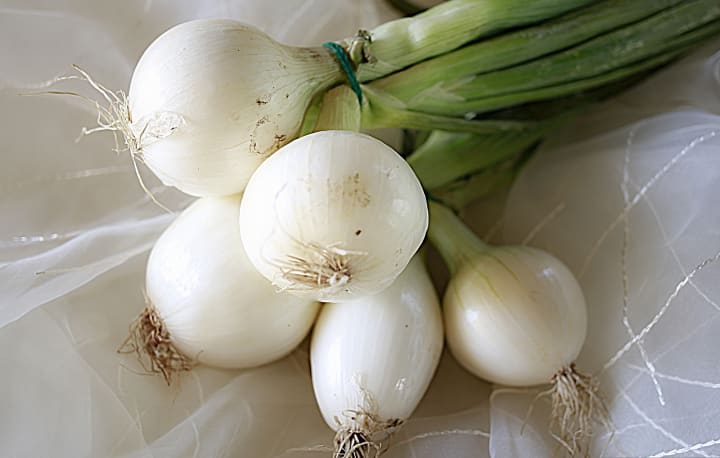
White onions are known for their sharp, crisp taste and are often used in Mexican cuisine or as a topping for tacos and salads. While they are not as sweet as red or yellow onions, white onions still offer significant health benefits. They are particularly high in flavonoids, which can help reduce inflammation and protect the body from harmful toxins.
White onions also contain high levels of allicin, a compound known for its antimicrobial and immune-boosting properties. Allicin has been studied for its potential to lower blood pressure and reduce the risk of infections.
4. Green Onions (Scallions)
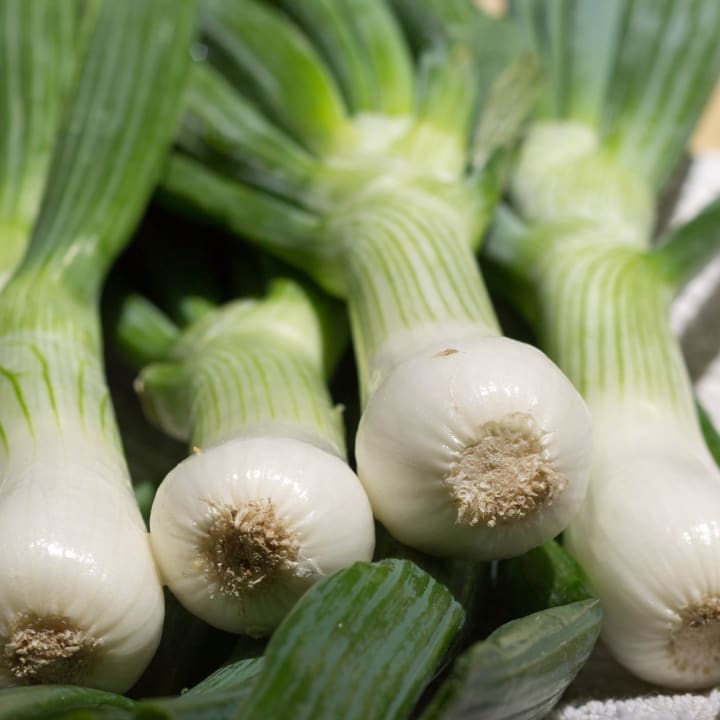
Green onions, or scallions, are milder than their bulbous counterparts and are often used as a garnish or in salads. They are rich in vitamin K, which is essential for bone health, and vitamin A, which supports vision and immune function. Green onions are also an excellent source of folate, important for cell growth and development.
Their mild flavor makes them ideal for adding a fresh, vibrant touch to dishes without overpowering other ingredients. They are also a good source of antioxidants, which can help fight off oxidative stress in the body.
Health Benefits of Onions
Onions offer a wide range of health benefits, making them an essential part of any diet. Below are some of the key reasons you should include onions in your daily meals:
1. Boosts Immune System
Onions are packed with nutrients like vitamin C and quercetin that can help strengthen your immune system. These compounds enhance the body's ability to fight infections and reduce inflammation, making onions a natural choice for supporting overall health.
2. Promotes Heart Health
Onions contain antioxidants that can help lower blood pressure, reduce cholesterol levels, and improve blood circulation. The sulfur compounds in onions act as natural blood thinners, which can lower the risk of heart attacks and strokes. Regular consumption of onions has been linked to improved heart health and reduced risk of cardiovascular disease.
3. Anti-Cancer Properties
Several studies have shown that onions contain compounds that may help reduce the risk of certain cancers, including stomach and colorectal cancer. The high levels of antioxidants, flavonoids, and sulfur compounds in onions are believed to inhibit the growth of cancer cells and reduce oxidative stress in the body.
4. Improves Digestion
The prebiotics found in onions promote the growth of healthy gut bacteria, which are essential for proper digestion and overall gut health. Including onions in your diet can help prevent digestive issues like constipation, bloating, and gas. Their high fiber content also aids in maintaining a healthy digestive system.
5. Supports Bone Health
Onions contain nutrients like calcium, magnesium, and vitamin K, which are important for maintaining strong bones. Regular consumption of onions may help prevent bone-related issues such as osteoporosis, especially in older adults.
6. Regulates Blood Sugar
For people with diabetes or those looking to regulate their blood sugar levels, onions can be particularly beneficial. The sulfur compounds in onions have been shown to lower blood sugar levels by improving insulin function. Incorporating onions into your meals can help keep blood sugar levels stable.
Cooking with Onions
Onions are incredibly versatile and can be used in a wide variety of dishes. Whether you’re caramelizing them for a savory sauce, adding them raw to salads for a crunchy bite, or sautéing them as a base for soups and stews, onions add depth and flavor to any recipe.
Here are some simple tips for cooking with onions:
Caramelize onions slowly to bring out their natural sweetness.
Add raw onions to salads or sandwiches for a crisp, fresh flavor.
Use sautéed onions as a base for soups, stews, and sauces to enhance the richness of the dish.
Try pickled onions for a tangy, vibrant garnish on tacos or grilled meats.
Conclusion
Incorporating onions into your diet is an easy way to boost flavor and nutrition in your meals. With their numerous varieties and impressive health benefits, onions are more than just a kitchen staple—they’re a superfood that supports heart health, boosts immunity, and offers protection against chronic diseases. Whether you prefer the sweet taste of caramelized yellow onions or the sharpness of raw red onions, this versatile vegetable deserves a place in your daily diet.
Next time you're planning a meal, remember the power of onions and all the health benefits they bring to the table.
About the Creator
Keep reading
More stories from writers in Fiction and other communities.
Everyone Thought I Was Strong — Here’s What They Didn’t See
Everyone Thought I Was Strong. They said it was a fact, not an opinion. As if strength was something visible, measurable — something you could verify by looking at me. I kept a job. I showed up on time. I laughed at jokes. I listened when people talked. I didn’t stand out in public.
By Echoes of Lifeabout 16 hours ago in Fiction


Comments
There are no comments for this story
Be the first to respond and start the conversation.