
The Hut That Breathed in Silence
The Hut That Breathed in Silence

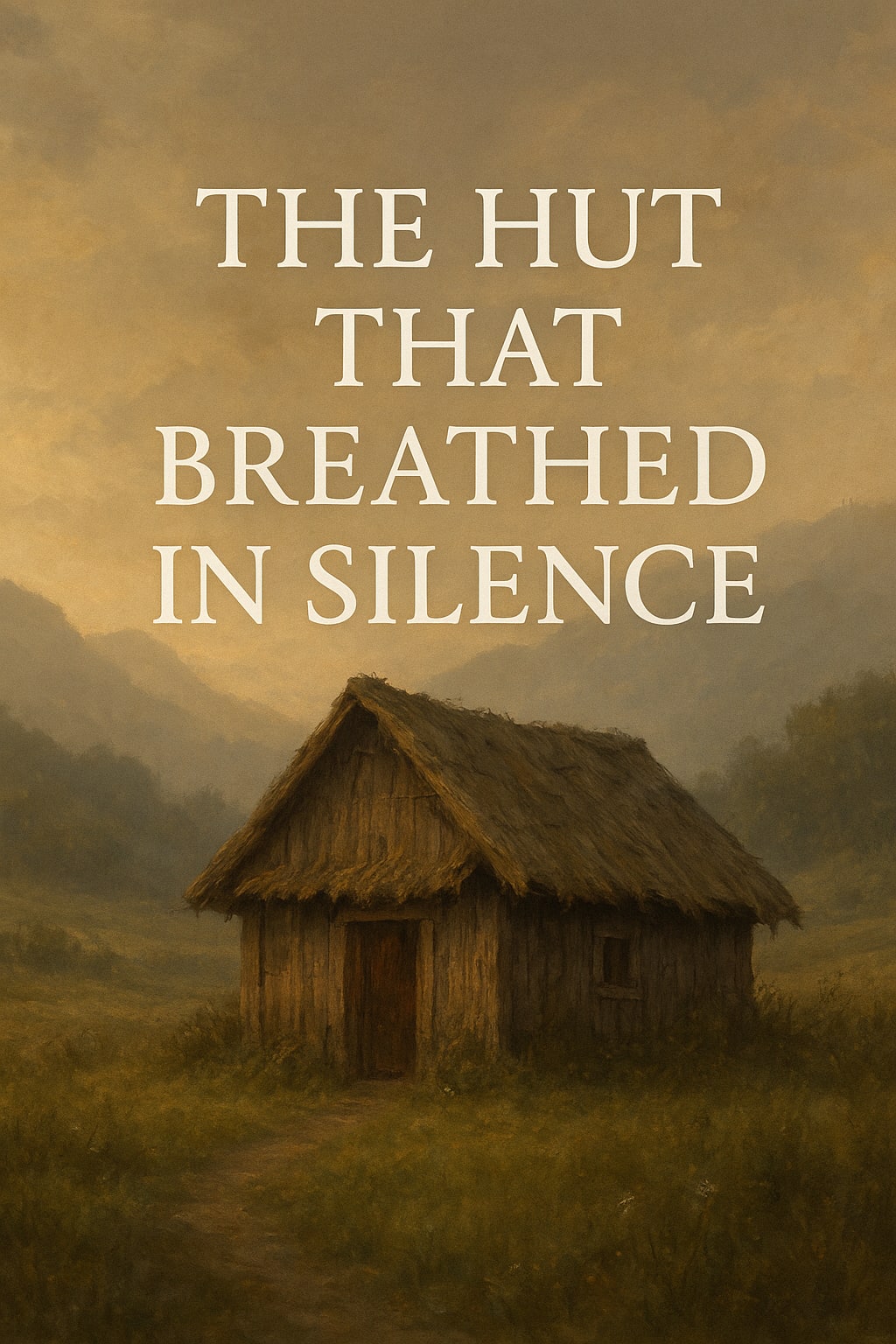
In a valley forgotten by time’s loud feet,
Where the mountains dream under clouds of wheat,
There stood a hut—small, crooked, and kind,
A whispering witness to humankind.
Its roof was stitched with straw and rain,
Its walls wore scars of sun and pain.
But when the wind passed through its door,
It hummed old songs forevermore.
The villagers called it “the lonely one,”
For none had lived there since the son
Of the blacksmith left for a city’s call,
Leaving behind his mother’s shawl.
She had died one winter, soft and still,
Wrapped in silence upon the hill.
And so the hut became her grave—
A keeper of love the storm once gave.
Years fell like petals from an unseen rose,
Snow covered its heart in layers of prose.
The seasons spoke in tongues of grace,
But no one dared approach the place.
Yet one dawn, as the mist turned gold,
A traveler came, young yet old.
His boots were torn, his breath was deep,
And in his eyes, the stars lost sleep.
He saw the hut with a pilgrim’s gaze,
As if he'd known it in other days.
He touched the wall, and felt it sigh—
A soul remembered, though time went by.
He lit a fire, soft and small,
Its warmth danced gently across the wall.
The hut, like a heart long turned to stone,
Awoke and whispered, “You are home.”
He stayed for days, he stayed through rain,
Through thunder’s cry and sparrow’s chain.
Each night he dreamt a mother’s face,
Each dawn he wept in her embrace.
He mended the roof, he painted the door,
He planted flowers along the floor.
The hut began to glow again,
As if reborn from loss and pain.
Villagers whispered, “The spirit’s back—”
“Or maybe the lost son’s found his track.”
No one knew his name or tale,
But the air grew sweet, the nights less pale.
Sometimes, at dusk, a child would hear
A lullaby drift, faint yet clear.
It was the hut that sang again,
In rhythm with the traveler’s pain.
One morning, smoke no longer rose,
The fire slept, the world froze.
They found him there, still and mild,
Holding the shawl—like a child.
The villagers buried him under the tree,
Beside the stream, where hearts run free.
And when the sun set low that day,
The hut exhaled, then melted away.
They say the earth reclaimed her son,
That grief and grace became as one.
Where the hut once stood, now lilies bloom,
Fragrant ghosts of love and gloom.
And travelers still, when twilight bends,
Hear songs the wind from the mountain sends.
The tale of the hut that dared to feel,
That carried love when hearts couldn’t heal.
Epilogue:
Some stories aren’t written, but breathed—
Through wood and wind, through souls that grieved.
The hut was never just a home,
But proof that even ruins roam.
It lived for love, it died in peace,
Its silence spoke of sweet release.
And somewhere beyond the mortal stream,
The hut and mother still dream their dream.
Themes & Tone:
Genre: Poetic narrative / Reflective realism
Themes: Love, memory, grief, rebirth, silence, nature
Tone: Nostalgic, emotional, spiritual
Perfect for: Vocal Media readers who love deep, imagery-rich poetry that tells a story.
In a valley forgotten by time’s loud feet,
Where the mountains dream under clouds of wheat,
There stood a hut—small, crooked, and kind,
A whispering witness to humankind.
Its roof was stitched with straw and rain,
Its walls wore scars of sun and pain.
But when the wind passed through its door,
It hummed old songs forevermore.
The villagers called it “the lonely one,”
For none had lived there since the son
Of the blacksmith left for a city’s call,
Leaving behind his mother’s shawl.
She had died one winter, soft and still,
Wrapped in silence upon the hill.
And so the hut became her grave—
A keeper of love the storm once gave.
Years fell like petals from an unseen rose,
Snow covered its heart in layers of prose.
The seasons spoke in tongues of grace,
But no one dared approach the place.
Yet one dawn, as the mist turned gold,
A traveler came, young yet old.
His boots were torn, his breath was deep,
And in his eyes, the stars lost sleep.
He saw the hut with a pilgrim’s gaze,
As if he'd known it in other days.
He touched the wall, and felt it sigh—
A soul remembered, though time went by.
He lit a fire, soft and small,
Its warmth danced gently across the wall.
The hut, like a heart long turned to stone,
Awoke and whispered, “You are home.”
He stayed for days, he stayed through rain,
Through thunder’s cry and sparrow’s chain.
Each night he dreamt a mother’s face,
Each dawn he wept in her embrace.
He mended the roof, he painted the door,
He planted flowers along the floor.
The hut began to glow again,
As if reborn from loss and pain.
Villagers whispered, “The spirit’s back—”
“Or maybe the lost son’s found his track.”
No one knew his name or tale,
But the air grew sweet, the nights less pale.
Sometimes, at dusk, a child would hear
A lullaby drift, faint yet clear.
It was the hut that sang again,
In rhythm with the traveler’s pain.
One morning, smoke no longer rose,
The fire slept, the world froze.
They found him there, still and mild,
Holding the shawl—like a child.
The villagers buried him under the tree,
Beside the stream, where hearts run free.
And when the sun set low that day,
The hut exhaled, then melted away.
They say the earth reclaimed her son,
That grief and grace became as one.
Where the hut once stood, now lilies bloom,
Fragrant ghosts of love and gloom.
And travelers still, when twilight bends,
Hear songs the wind from the mountain sends.
The tale of the hut that dared to feel,
That carried love when hearts couldn’t heal.
Part II: The Valley Remembers
The valley changed, but still it kept
The promise of the souls that slept.
The flowers bloomed where tears had sown,
Proof that love outlives the bone.
Children grew and heard the lore,
Of a hut that breathed and loved before.
They’d climb the hill on quiet days,
To feel its ghost through misty haze.
Sometimes the wind would lift their hair,
As if a hand was lingering there.
A whisper soft, a mother's tune,
Carried beneath the silver moon.
Old men said, “The soul of wood
Can carry grief if it once knew good.”
And women smiled with eyes that knew,
That love returns, though lives are few.
Part III: The Dream of the Hut
Far beyond where rivers end,
In a realm the living can’t comprehend,
The hut still stands, reborn in light,
Beneath an endless, star-filled night.
Its walls are carved from songs and air,
Its floor is made of answered prayer.
And in its glow, two spirits stay—
A mother, and her son astray.
They sit together, no more apart,
The shawl between them—woven heart.
She hums a tune of earth and sky,
He smiles and whispers, “Now I know why.”
For love was never bound to stone,
Nor huts, nor names, nor flesh, nor bone.
It lived in whispers, dreams, and flame,
In every loss that love became.
Epilogue: The Lesson of Silence
And so the tale the valley tells,
Is not of grief, but where love dwells.
In every hut, in every heart,
In endings that become new starts.
Sometimes, what’s gone is not destroyed—
It shifts, it breathes, it fills the void.
The hut was gone, but love remained,
In morning dew and evening rain.
If you ever walk that path one day,
Where wildflowers rise and children play,
Listen close—the silence hums,
The hut still breathes when evening comes.
For every home that love once knew,
Becomes eternal—old, yet new.
And in the hush of stars above,
The hut still whispers, “Live for love.”
This poem is a story about memory, grief, and rebirth. The hut represents not just a structure but the soul of love itself—how it shelters us even after we’re gone. It’s about the quiet resilience of the human heart and how loss can become something living, growing, and beautiful again.
Even in silence, love has a language—and sometimes, a humble hut can speak it better than words ever could.
Thanks for reading
About the Creator
Keep reading
More stories from Fazal wahid and writers in Fiction and other communities.
The Girl Who Held the Book of Time
In a world that often rushes forward without pausing, where moments slip through our hands like sand in an hourglass, there stood a girl on the edge of a cliff, holding a glowing book. Her wings, delicate and luminous, stretched behind her, brushing against the winds of change. Around her floated symbols of life itself — a clock, a rose, a tree by the river, and a geometric light that hinted at the future of technology. Each one was more than just an image. They were chapters of a greater story, a story the world needed to hear.
By Fazal wahid 6 months ago in Fiction


Comments
There are no comments for this story
Be the first to respond and start the conversation.