
The House That Never Opens Its Doors
The House That Never Opens Its Doors: Symbolism of Isolation and Withdrawal in Modern Life

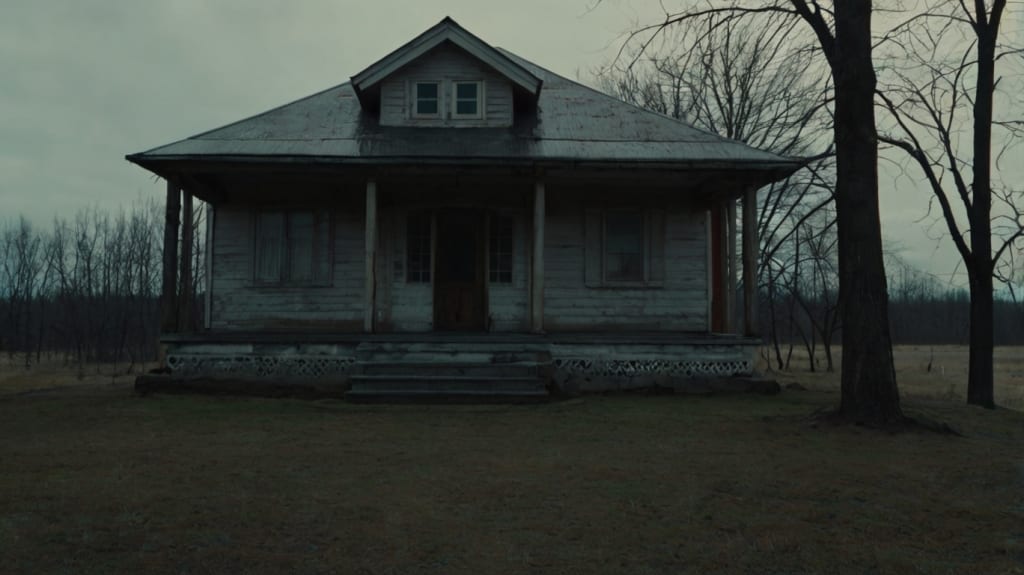
The House That Never Opens Its Doors: Symbolism of Isolation and Withdrawal in Modern Life
In a world that grows more interconnected every day thanks to technology and social media, it seems paradoxical to find houses that tightly shut their doors, surrounded by high walls, as if trying to isolate themselves from the outside world. The house that never opens its doors is not just a closed dwelling; it is a powerful symbol of isolation and withdrawal, reflecting a psychological and social state that can be individual or collective. This house carries within it stories, secrets, and sometimes pain and sorrow, making the act of closing its doors a means of escaping a painful reality or a world perceived as threatening.
The House as a Symbol of Privacy and Security
At its simplest, a house is a place that provides privacy and security. It is the sanctuary we retreat to after a long day of work or study, where we find comfort and stability. But when a house permanently closes its doors, this sanctuary becomes a self-imposed prison. Closed doors signify a refusal to communicate with the outside world and a rejection of any intrusion into private life. This closure may stem from a fear of the external world or a desire to maintain personal space away from societal pressures.
In various cultures, the house is considered a sacred space, holding within it the secrets and memories of the family. But when a house closes its doors, it becomes sealed off, as if trying to protect what lies inside from any external influence. This closure may be temporary, as a reaction to a specific event, or permanent, as part of a lifestyle centered around isolation.
Isolation as a Choice or a Compulsion
The house that never opens its doors may be an expression of a personal choice made by an individual or a family to live away from societal pressures. In an increasingly complex world, some people find that isolation is the only way to preserve their mental well-being. Here, isolation is not just a physical separation from others but also a detachment from ideas and values that may conflict with one’s beliefs.
However, sometimes the closing of doors is the result of external compulsion. Families or individuals may face economic or social pressures that force them to withdraw into themselves. In such cases, the house becomes a non-voluntary prison, where people live within its walls without the ability to go out or interact with the outside world.
The Psychological Impact of Isolation
Prolonged isolation within a closed house can have profound psychological effects on individuals. Humans are inherently social beings who need interaction with others to feel a sense of belonging and connection. When a house closes its doors, this interaction becomes limited or nonexistent, potentially leading to feelings of loneliness and depression.
In some cases, isolation may serve as a means of escaping real-life problems. Instead of confronting these issues, the individual withdraws into themselves, which can exacerbate the problem rather than solve it. Isolation then becomes a vicious cycle, trapping the individual within the walls of the house, unable to step out or face the world.
The Closed House in Literature and Art
The closed house has long been a recurring theme in literature and art, symbolizing isolation and withdrawal. In novels and films, we encounter characters living in houses with closed doors, attempting to isolate themselves from the outside world. These characters often suffer from psychological or emotional traumas that make them prefer solitude over confronting reality.
In Albert Camus’s novel The Stranger, the protagonist lives in isolation from society, unable to understand the world around him. This isolation ultimately becomes the cause of his downfall. In the film The English Patient, the protagonist lives in a closed house, trying to forget his painful past through isolation. These artistic works reflect how the closed house can symbolize isolation and withdrawal and how this isolation can impact individuals’ lives.
Isolation in the Age of Technology
In the age of technology, isolation has become more complex. On one hand, technology provides means of communicating with others without the need to leave the house. On the other hand, these means can increase isolation, as communication becomes virtual rather than real. The house that never opens its doors in the digital age may be filled with electronic devices but remains devoid of genuine human connection.
Conclusion
The house that never opens its doors is more than just a closed dwelling; it is a powerful symbol of isolation and withdrawal in modern life. This house reflects a psychological and social state that can be individual or collective, carrying within it stories and secrets that make closing its doors a means of escaping a painful reality or a world perceived as threatening. Isolation, whether chosen or imposed, can have profound psychological effects on individuals, turning the closed house into a place of comfort and security, but also potentially a prison that isolates individuals from the outside world.
Ultimately, the house that never opens its doors represents the human struggle between the desire for privacy and security and the need for connection and belonging. This struggle reflects the complexities of modern life, where achieving a balance between isolation and interaction with the outside world can sometimes be incredibly challenging.
About the Creator
💓 Pulse of Stories 💓
The world of short and inspiring stories! Here you will find stories that touch hearts, ignite the imagination, and take you on quick yet deep journeys.
Keep reading
More stories from 💓 Pulse of Stories 💓 and writers in Fiction and other communities.
The key to hell
In a small village surrounded by dense forests and towering mountains, there was an ancient legend about the "Key to Hell." It was said that this key could unlock a gateway to a realm of darkness, where demons and evil spirits dwelled. No one knew exactly where the key was hidden, but the villagers feared it and avoided even speaking of it, afraid that it might bring a curse upon them.
By 💓 Pulse of Stories 💓about a year ago in Fiction


Comments
There are no comments for this story
Be the first to respond and start the conversation.