
The Great Gatsby: A Tale of Dreams, Deception, and Despair
Chasing the American Dream—only to watch it crumble.

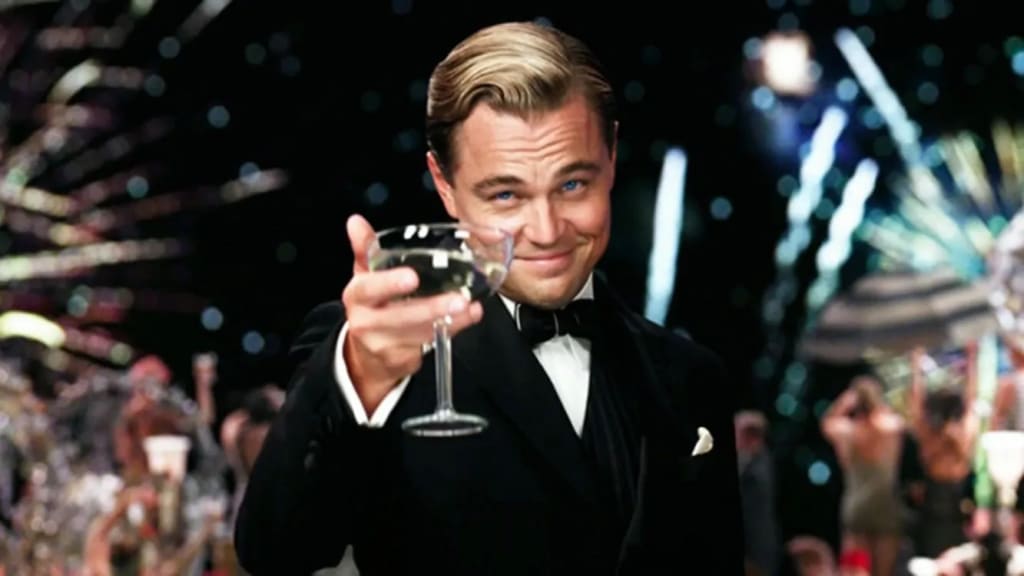
Baz Luhrmann’s "The Great Gatsby" (2013) is a dazzling adaptation of F. Scott Fitzgerald’s classic novel, bringing to life the roaring twenties in all its opulent excess. At its heart, "The Great Gatsby" is a story of love, ambition, and the tragic consequences of idealism. Below, we explore three key themes that define this unforgettable film.
1. The Illusion of the American Dream
One of the central themes of "The Great Gatsby" is the pursuit of the American Dream—the idea that anyone, regardless of background, can achieve success and happiness through hard work. Jay Gatsby (Leonardo DiCaprio) is the embodiment of this ideal, a man who rises from poverty to incredible wealth. Yet, despite his success, his greatest dream remains just out of reach: rekindling his lost love with Daisy Buchanan (Carey Mulligan).
Gatsby’s lavish parties, extravagant lifestyle, and mysterious persona are all designed to impress Daisy and reclaim the past they once shared. However, the film reveals the darker side of this pursuit. Gatsby’s success is built on illicit means, and his relentless idealism blinds him to reality. The dream he chases is an illusion, and in the end, it leads to his downfall.
Luhrmann’s adaptation captures this theme through its vibrant, over-the-top visuals and energetic soundtrack. The wild parties and shimmering lights of Gatsby’s mansion symbolize the allure of wealth and excess, but underneath the glittering surface lies emptiness—a reflection of the hollow nature of the American Dream itself.
2. Love, Obsession, and Tragic Idealism
At its core, "The Great Gatsby" is a love story, but one driven by obsession rather than genuine connection. Gatsby’s love for Daisy is not just about romance; it’s about an unattainable ideal. He doesn’t love Daisy as she is, but as he remembers her—or rather, as he imagines her to be.
Daisy, on the other hand, is torn between Gatsby’s passionate devotion and the security offered by her wealthy, unfaithful husband, Tom Buchanan (Joel Edgerton). While Gatsby believes in a love that transcends time, Daisy is ultimately unwilling to sacrifice her comfort for an uncertain future.
The tragedy of Gatsby’s love story lies in his unwavering belief that the past can be rewritten. His famous line, “Can’t repeat the past? Why, of course you can!” encapsulates his refusal to accept reality. But no matter how grand his efforts, the dream of rekindling his lost love is doomed from the start.
Luhrmann enhances this theme through emotionally charged performances and breathtaking cinematography. The tension between Gatsby and Daisy, the longing glances, and the moments of fleeting happiness all build toward an inevitable heartbreak.
3. A Visual and Musical Spectacle of the Roaring Twenties
One of the most striking aspects of "The Great Gatsby" is its stunning visual style. Luhrmann, known for his extravagant filmmaking, brings the 1920s to life with a modern twist. The film’s vibrant color palette, rapid editing, and larger-than-life party scenes make the audience feel immersed in the era’s excesses.
The use of contemporary music, featuring artists like Jay-Z and Lana Del Rey, adds a unique energy to the film. While some purists might argue that modern music doesn’t fit a 1920s setting, Luhrmann uses it to bridge the past and present, making the themes of ambition, greed, and disillusionment feel timeless.
Symbolism plays a crucial role in the film’s storytelling. The green light at the end of Daisy’s dock represents Gatsby’s ultimate dream—a future with Daisy. It’s always visible but forever out of reach, mirroring his unattainable desires. The eyes of Dr. T. J. Eckleburg, looming over the desolate Valley of Ashes, serve as a haunting reminder of a world where dreams are crushed and morality is lost.
Conclusion
"The Great Gatsby" is a visually mesmerizing and emotionally devastating exploration of love, ambition, and the price of chasing illusions. Luhrmann’s adaptation amplifies the novel’s themes with bold visuals, a dynamic soundtrack, and powerful performances, particularly from Leonardo DiCaprio.
In the end, Gatsby’s story is a cautionary tale about the dangers of living in the past and the false promises of wealth and status. For anyone who has ever longed for something just beyond their grasp, "The Great Gatsby" serves as a poignant reminder that not all dreams are meant to come true.
About the Creator
Keep reading
More stories from Willow Writer and writers in Fiction and other communities.
Breaking Bad: A Saga of Transformation, Morality, and Consequences
Vince Gilligan's Breaking Bad is widely regarded as one of the greatest television series of all time. Spanning five seasons, it tells the gripping story of Walter White, a high school chemistry teacher turned methamphetamine kingpin. The show’s brilliance lies in its intricate storytelling, compelling character arcs, and its exploration of morality in the face of desperation. Below, we delve into three key aspects that define Breaking Bad’s cultural and narrative impact.
By Willow Writerabout a year ago in Fiction
Pandora’s Burden
“My brother warned me to not accept gifts from the one who commissioned you,” said Epimetheus to the woman clad in silvery raiments standing at the entrance to the temple. Her silver tiara and the silver rings on her fingers and toes glinted in the firelight cast by torches set on either side of the doorway. Lingering in the shadows, beyond the reach of the flames as she was, he could not tell what she held in her hands. At first what appeared to be a box was perhaps a funerary urn, or maybe merely an apple.
By J. Otis Haas2 days ago in Fiction
A Wedding Toast
Good evening, everyone! I wanted to let the bride know first that I cleared it with the groom, and he agreed that I should sleep with you guys on your wedding night. After all, that is what you did on my wedding night. Because you told everyone you slept in the middle, I think it's only fair. Your groom agreed. I know some of you have heard the story about how this happened. And perhaps have heard it many times over the years. Since it is rumored that you are pregnant, it's not like it is your first night together.
By Denise E Lindquist5 days ago in Fiction


Comments
There are no comments for this story
Be the first to respond and start the conversation.