
The Girl Behind the Locked Door
Some secrets are meant to stay hidden — but she had to know the truth.
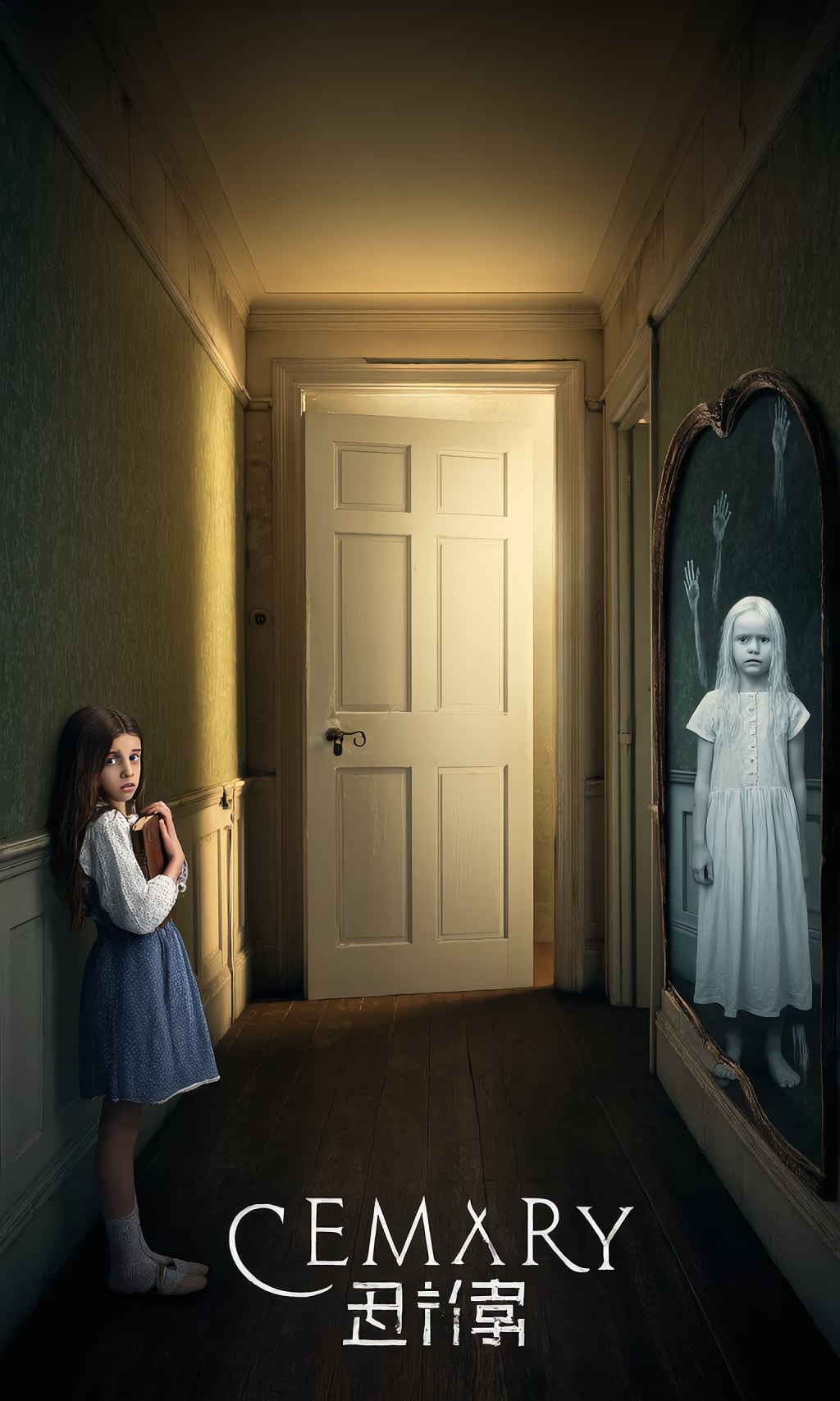
When Emily Ward’s parents inherited the crumbling Elmridge House, she thought it was a joke.
The place was straight out of a horror movie — vines crawling up the brick walls, windows half-smashed, and a silence that pressed in from all sides. No Wi-Fi, no neighbors for miles. Just them and the creaking of wooden floors under decades of dust.
Her parents said it was temporary, a “break from the city,” but Emily knew something was off the moment they pulled into the driveway.
Inside, the air was cold and stale. Cobwebs hung from the chandeliers like warning signs. But what caught Emily’s attention most was the door on the third floor, at the end of a long hallway.
It was painted white but aged with time. Unlike the other doors, it had a bolt — not just a lock. Her father noticed her staring and immediately said, “That part of the house is unstable. Don’t go near it.”
That night, Emily lay awake in her new room, listening to the wind moan through the cracks. She couldn’t stop thinking about the door. Why bolt it shut? And what was so unstable behind it?
The next morning, she asked her mom about it over breakfast.
Her mother stirred her coffee, not looking up. “That’s where your Aunt Clarissa’s room used to be. We don’t talk about her.”
Emily frowned. “Why not?”
“She died in that house,” her father said sharply. “That’s enough.”
That ended the conversation.
But the more they avoided the topic, the more curious Emily became.
Over the next few days, she explored every inch of the house — attic, cellar, secret closet behind the library. But that white door haunted her thoughts. At night, she dreamed of it — saw a little girl standing beside it, barefoot and crying.
On the seventh night, while her parents were out in town, she grabbed a hairpin and flashlight. Her heart pounded as she climbed the stairs.
She knelt in front of the door. The lock was rusted but gave way with a soft click. She slid the bolt with effort — it hadn’t moved in years.
The door creaked open.
Inside was a bedroom, untouched since the 90s. Faded wallpaper with clouds and stars. A wooden rocking horse. A music box sitting on the dresser, its lid cracked. The air smelled of dust and something faintly sweet — lavender, maybe.
But what stopped her cold was the name carved into the bed’s wooden headboard:
EMILY.
She walked closer. A diary sat on the bedside table, bound in blue leather and coated in dust. She picked it up, brushing it clean.
The name inside matched her own handwriting.
> March 2nd, 1999 — They say I imagine things. But the girl in the mirror is real. I know she is. She’s like me.
Page after page told the story of a girl who was isolated in the house — punished for talking to “imaginary” friends, scolded for wandering, locked in her room when she refused to eat. Her words grew darker, desperate. There were mentions of dreams that came true, people whispering through the walls, shadows that didn’t belong to anyone.
> June 9th, 1999 — They told me my name isn’t mine. That I’m just a mistake. That the other Emily was the real one.
Emily’s hands trembled as she turned the pages. Her throat tightened.
Was this real? Another Emily? Her parents never mentioned anything about it. But the room was here. The diary was here.
She flipped to the last entry.
> July 11th, 1999 — I think they’re going to erase me. If someone finds this, remember me. Please. I don’t want to disappear.
A soft creak broke the silence. The rocking horse moved slightly.
Emily spun around. No wind. No draft.
And then… a voice.
“You found me.”
A whisper, but it echoed like thunder in the small room. Emily froze, staring at the mirror across from her. For a second, she saw something — herself, but younger. Paler. Wearing a white nightgown.
She blinked — gone.
The diary slipped from her hands.
She backed toward the door, but it slammed shut.
“Who are you?” she whispered, her voice barely audible.
“You know who I am,” the voice said. “You took my name. My life. But I don’t blame you.”
Emily couldn’t breathe. She pressed against the wall, heart racing.
“I just wanted someone to remember me. You did. That’s enough.”
Then silence. The air grew warmer. The tension broke like a wave washing out to sea.
She opened the door. No resistance this time.
When her parents returned, they found her sitting on the stairs, pale but calm. She held the diary out to her mother, who looked at it like she’d seen a ghost.
“You said we didn’t talk about her,” Emily said softly. “But she was me. Wasn’t she?”
Her mother sat beside her. “Her name was Emily too. You were named after her. She was my sister’s daughter. She… she died here when she was ten. We never found out why. Clarissa locked that room and left everything behind. I thought forgetting was the only way.”
Emily looked down at the diary. “She didn’t want to be forgotten.”
---
Two weeks later, they moved out. Her parents said it was the right thing to do. Let the house go. Let the past go.
But Emily didn’t let go.
She kept the diary.
And every now and then, when she passed a mirror, she saw the girl — smiling, no longer crying.
Not forgotten anymore.
About the Creator
Keep reading
More stories from Bilal Ahmad and writers in Fiction and other communities.
The Last Letter from Grandmother’s Desk
had always thought of my grandmother’s attic as a kind of sacred space. Not because it was particularly beautiful—if anything, it was cluttered and smelled faintly of old wood and mothballs—but because it belonged to her. A lifetime of stories and secrets lived in that attic, and most of them were stored inside an old, creaky wooden desk tucked under the window.
By Bilal Ahmad7 months ago in Fiction


Comments
There are no comments for this story
Be the first to respond and start the conversation.