
The Future of Wearable Tech: What to Expect in the Next 5 Years
What to Expect in the Next 5 Years
The Future of Wearable Tech: What to Expect in the Next 5 Years
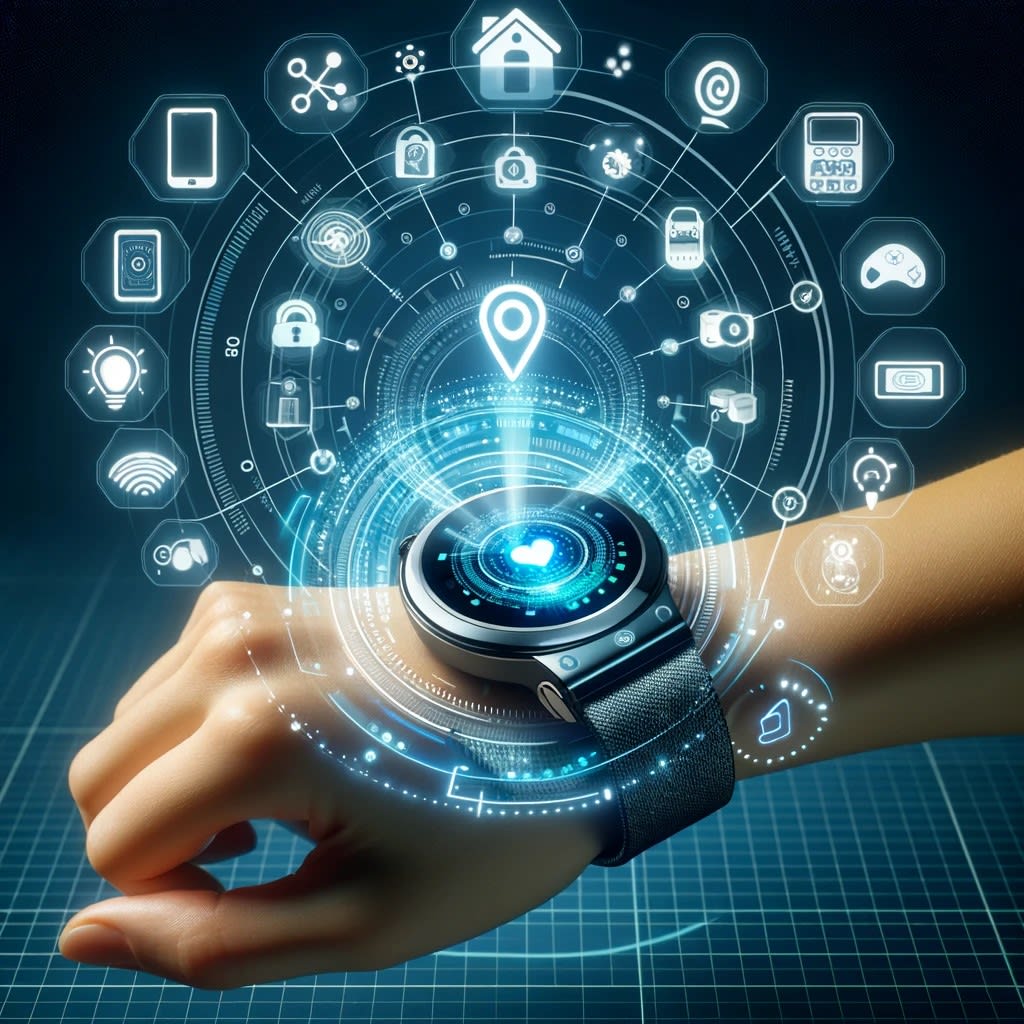
Wearable technology has come a long way since the early days of fitness trackers and smartwatches. What started as a novelty has rapidly evolved into a multi-billion dollar industry that is reshaping the way we live, work, and interact with the world. As we look toward the future, the next five years promise to be even more transformative, with innovations that will push the boundaries of what we thought possible. From health monitoring to augmented reality, wearable tech is set to revolutionize our lives in ways we can barely imagine.
1. Health Monitoring: Beyond the Basics
Wearable technology is already playing a significant role in health monitoring, but the future holds even greater promise. Today, devices like the Apple Watch and Fitbit can track heart rate, steps, and sleep patterns. However, the next generation of wearables will go far beyond these basic functions.
Real-life Example: Apple has been at the forefront of integrating advanced health features into its wearables. The latest iterations of the Apple Watch can monitor irregular heart rhythms, detect falls, and even conduct electrocardiograms (ECGs) right from your wrist. Looking ahead, Apple is rumoured to be working on non-invasive blood glucose monitoring and blood pressure measurement. These advancements could be life-changing for people with chronic conditions like diabetes and hypertension, allowing for continuous, real-time monitoring without the need for painful or invasive procedures.
In the next five years, we can expect wearables to incorporate even more sophisticated sensors that can monitor everything from hydration levels to early signs of illness. Imagine a wearable that alerts you to potential health issues before you even feel symptoms, giving you the power to take proactive measures and possibly prevent more serious conditions. This shift from reactive to preventive healthcare could drastically improve quality of life and reduce the burden on healthcare systems worldwide.
2. Augmented Reality: A New Layer of Interaction
Augmented Reality (AR) is set to become a game-changer in wearable tech. While AR glasses like Google Glass made headlines a few years ago, the technology is still in its infancy. However, recent developments suggest that AR is on the brink of mainstream adoption, with wearables leading the charge.
Real-life Example: Microsoft has already made significant strides with its HoloLens, a mixed reality headset that blends the physical and digital worlds. Although primarily used in industries like healthcare, manufacturing, and education, HoloLens demonstrates the potential of AR in everyday life. Imagine wearing a pair of AR glasses that overlay digital information onto the physical world—directions, translations, reminders—directly into your line of sight.
In the next five years, we can expect AR to become more seamless and integrated into our daily lives. Instead of holding up a smartphone to use AR apps, future wearables will allow us to interact with digital content as naturally as we would with the physical world. Whether it’s enhancing your shopping experience by displaying product details as you browse or revolutionizing the way we work by providing hands-free access to information and tools, AR wearables will create a new layer of interaction between us and our environment.
3. Wearable Tech for Mental Well-being
While physical health has been the primary focus of wearable tech thus far, mental well-being is rapidly gaining attention. Stress, anxiety, and depression are increasingly recognized as critical health issues, and wearables are beginning to offer solutions tailored to mental well-being.
Real-life Example: Muse, a brain-sensing headband, is an excellent example of how wearable technology is helping people manage their mental health. Muse measures brain activity and provides real-time feedback during meditation sessions, helping users develop a deeper mindfulness practice. Over time, users report reduced stress levels, improved focus, and better sleep.
In the next five years, wearable tech will likely offer more personalized mental health support. Devices could monitor physiological indicators of stress, like heart rate variability or cortisol levels, and provide real-time interventions such as guided breathing exercises or mood-boosting playlists. As mental health becomes a more integral part of overall well-being, wearables will play a crucial role in helping people maintain balance and manage stress in their everyday lives.
4. Fashion and Function: The Convergence of Style and Technology
One of the criticisms of early wearable tech was its lack of style. Bulky, unattractive designs deterred many potential users who didn’t want to sacrifice fashion for function. However, this is changing rapidly as tech companies collaborate with fashion brands to create wearables that are as stylish as they are functional.
Real-life Example: Louis Vuitton has entered the wearable tech market with its line of Horizon wireless earbuds, combining cutting-edge technology with luxury design. Similarly, companies like Fossil and Michael Kors have released smartwatches that look like traditional high-end timepieces but are packed with the latest tech features.
In the future, the line between fashion and technology will blur even further. We can expect wearables that are indistinguishable from regular accessories jewellery that monitors your heart rate, clothing that adjusts to your body temperature, or sunglasses that double as AR displays. This convergence will make wearable tech more accessible and appealing to a broader audience, ensuring that it fits seamlessly into our lives without compromising on style.
5. Wearable Tech in the Workplace: Boosting Productivity and Safety
Wearable technology is also poised to revolutionize the workplace, particularly in industries like manufacturing, construction, and healthcare. Wearables can enhance productivity by providing workers with real-time information, monitoring their health and safety, and even automating routine tasks.
Real-life Example: UPS has started equipping its delivery drivers with wearable tech that monitors their body posture to prevent injuries. This smart wearable alerts drivers when they are lifting packages incorrectly, helping to reduce the risk of strain and injury. The result has been a significant decrease in workplace injuries and associated costs.
In the next five years, we can expect wearable tech to become a standard part of the workplace, offering benefits like fatigue monitoring, hazardous environment alerts, and even productivity boosts through AI-driven task management. By enhancing safety and efficiency, wearable tech will not only improve the working conditions of employees but also contribute to overall business success.
Conclusion
The future of wearable technology is incredibly bright, with innovations that promise to enhance every aspect of our lives—from health and well-being to work and entertainment. As wearables become more advanced, integrated, and stylish, they will move beyond mere gadgets to become indispensable tools that help us live better, healthier, and more connected lives. The next five years will undoubtedly see wearable tech become an even more integral part of our daily routines, opening up new possibilities and transforming the way we interact with the world. Whether you're a tech enthusiast or simply someone looking to improve your quality of life, the future of wearable tech holds something exciting for everyone.
About the Creator
Keep reading
More stories from Eteka Bassey and writers in Fiction and other communities.
The Zero Waste Movement
The Zero Waste Movement: How Living with Less is Changing the World In a world increasingly defined by consumerism and convenience, the concept of waste has become an accepted part of daily life. However, the environmental and social costs of this wasteful culture are staggering, from overflowing landfills to oceans choked with plastic. In response to these growing concerns, a global movement is gaining momentum—one that challenges the status quo and offers a hopeful alternative. The zero waste movement is more than just a lifestyle trend; it’s a powerful call to rethink how we consume, dispose, and live. This article explores the inspiring principles behind the zero waste movement, its impact on individuals and communities, and how it’s paving the way for a more sustainable and mindful future.
By Eteka Basseyabout a year ago in Earth
A Love Forboding
The chipped stone slope caused unbearable footing. I slid, skirting on my heels. I cast my shield, relinquishing my guard to stay upright. Left with my double-edge and a prayer to the maker, I skated toward my objective. The earthly stubble gave way to solid ground. I found myself restored, a trail of dust in my wake.
By James U. Rizzi6 days ago in Fiction
Marshall's Observations
Marshall watched seagulls and crows playing in the wind among pink-tinted cloud beds that slowly turned gray as the sun hung at the sea's horizon. He used his iPhone to focus on the reflections in the water and snapped a photo. He liked the result; it showed a butterscotch sun sitting on the water below a pink cloud, with the ferry in the foreground.
By Andrea Corwin a day ago in Fiction
~ Fired ~
— Ai Intrusion ~ Are you Next ~ Is Ai Evolution after your job? — Few workplaces haven't been affected. Ai is in supermarkets, at doctors' offices, and even monitoring farms. I just can't think of anything this machine is not getting into, can you? For instance: Education ~ Law and Tech jobs will one day have a major influence or be taken over by these inanimate machines, with accuracy and vigor. From mechanics' diagnoses to a wide variety of everyday jobs, including fast food workers, with this input having the ability to cut their unnecessary work hours. I'm certain all of us have been touched by this with our short stories and colorful headings, have you? Even comments are very questionable 'Non-Robot' insertions.
By Jay Kantor5 days ago in Journal


Comments
There are no comments for this story
Be the first to respond and start the conversation.