
世界末日 The edge of Earth
Dear reader, this is part of what will later become my memoirs. Part truth, part fiction. Don't think too much, just enjoy the read.
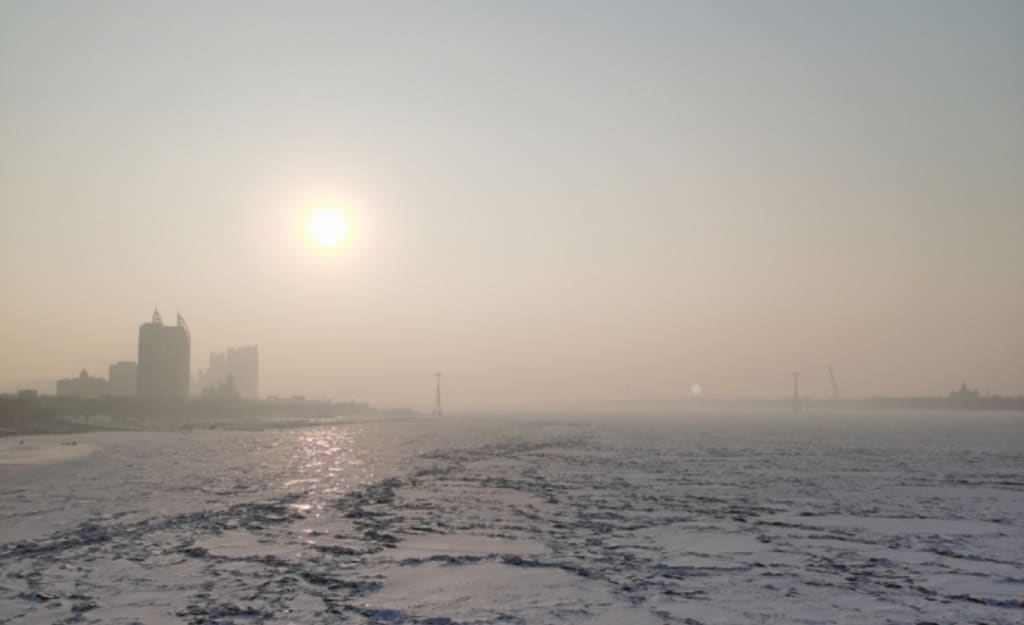
The snowy landscape stretches as far as the eye can see. Snow and ice form curly waves with sharp edges, as teeth protruding from the mouth of a behemoth. Everything is blue and white, with smog covering the atmosphere, adding a surreal effect. Silence abounds in all directions, interrupted only by the engines of ATVs and people talking. Is it Siberia? The Taiga? No, it is but the city of Harbin. This barren wasteland is the frozen surface of the Songhua (Sungar) river.

We are walking along an old worn out railroad bridge, towering over the icy wilderness of the river. The bridge is built in the old style of the Industrial revolution, with large metal beams crisscrossing in triangular patterns, so as to evenly distribute the weight of the phantom trains silently running along these abandoned tracks. One can see two different tracks: one wide and one narrow; run along the same direction. Alas, I am not well versed in the science of locomotives and know not the reason for the two tracks' presence. People wall back and forth on the bridge, silent, solemn shadows, with their hoods raised high and faces protected from the Siberian wind blowing across the frozen river.
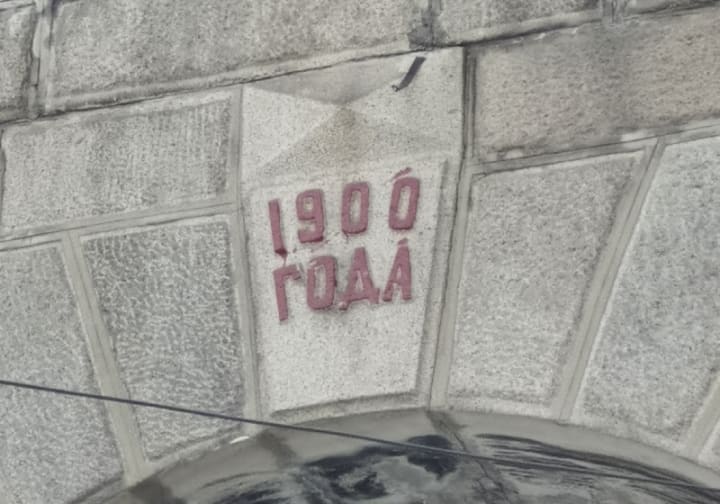
Once upon a time, in 1900, this bridge was born into this world, put together bit by bit, as an infant is built up from cells, by the Russian Empire. The city of Harbin was meant to be their outpost in the East of China. This bridge connected the Russian railway with East Asia - Dalian, Vladivostok, even Seoul, were all connected through Harbin. However, empires rise and fall. It was the destiny of this bridge to change ownership numerous times. It first went into the hands of the Kuomintang government in China, and then into the hands of the Japanese invaders, who conquered China from the North, murdering, massacring and pillaging their way towards Nanjing. When the timing was right for their own interests, the Soviets made their way and took back Harbin, helping the Communist party overthrow the Kuomintang.
Finally, this bridge, as well as the railroad, stayed in the hands of the Communist party, where they quietly lie until today. The future is uncertain and ever-changing. One day, the Party will fall and a new governing system will take over, but that is of little importance to us, don't you agree?
As I was walking along the bridge, I looked to my left. The city lay in a thick layer of smog and the pale sun was dully shining in the sky. I've been in this city for a week or so, but during this time I managed to really fall in love with it. Colorful, Victorian buildings adorn the old streets near the docks. What used to be called the Chinese street is now called the Central street, but the change of name has not retracted anything from its style. Big stones make up the pavement and, when snow falls, they turn into little slippery slopes, making walking fast along this street nearly impossible. Brand name stores can be seen on both sides, interspersed with small souvenir boutiques and restaurants. Many iconic places, whose names have been heard here since the 1900's, are still seen here: Churin, Modern, Tatos, Songpu. Some sell kvas and bread, others sell meat while, others still, are restaurants or general stores. Now, dear reader, you've just heard the name 'kvas', but you might not be familiar with what it is, so let me tell you.
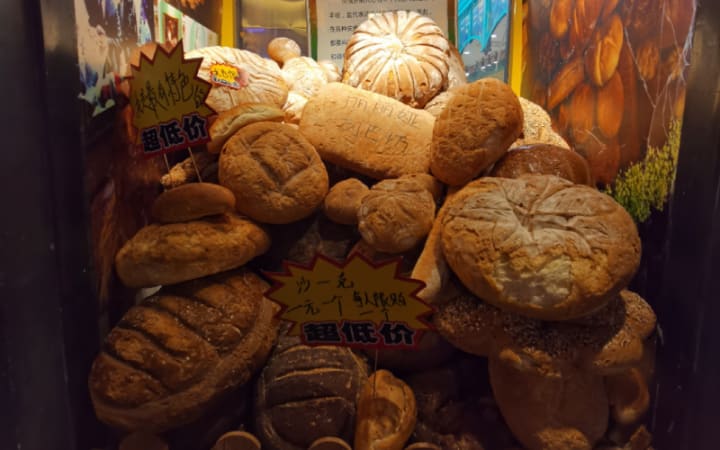
Kvas is a Russian drink made from fermented bread. We usually use rye bread when making it. It tastes somewhat similar to beer, with sweet notes and has a distinct bubbly flavour. Harbin, serving as the gateway of Russian to East Asia, was the first frontier for Chinese to get familiar with Kvas, Russian bread and deli products such as sausages.
I was walking on the bridge, with you by my side, slowly stepping on the abandoned iron tracks. The strong wind was blowing against my hands, which I had to hide deep in my pockets. Then, the wind found a new target: my feet. At that time, I was still wearing so-called extreme winter sport shoes: they were impermeable and wind-proof. I was wearing woolen insoles, but they offered little help against the wind. As I was nearing the end of the bridge, my feet felt colder and colder. It seemed that any defenses I put up against this bitter cold were brought down one by one by the Harbin climate.
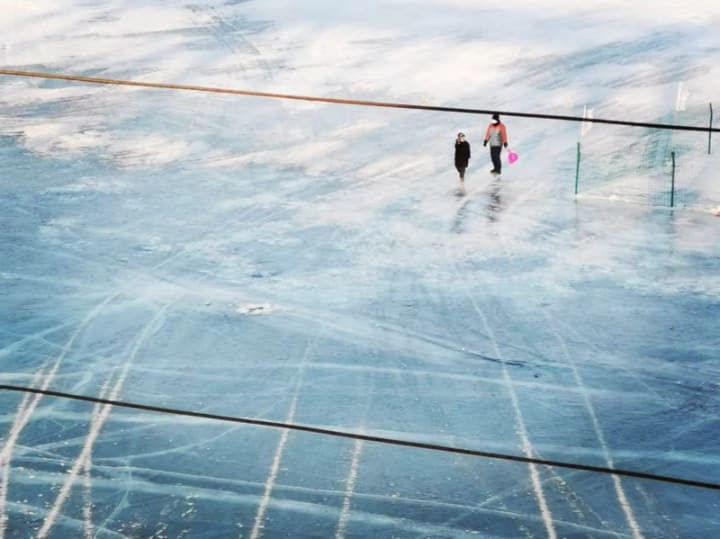
Photo by meThere, on the right of the bridge, I noticed a building. Yellow and solemn walls rose high above the scenery in the middle of a field. Small rectangular windows, set deep inside the wall, protected from enemy bullets, indicated that this building was military, and yet it lay there, abandoned, set against the pale white background of a snowy desert.
I slowed my pace and noticed stairs, ever so hidden, winding down from the right side of the road. Walking down them, I had to be careful - they were covered with slippery, powdered snow, and felt like an ice rink. While walking down, my head bumped against something black - an old electric cable, left from the times of telegraphs, was tightly woven through the frosty air. The only thing holding it, near the middle section of the cable, was a dried up wooden stick, perched against the handrail at a perpendicular angle. Ducking, I went under the wire. The pale yellow castle of cement loomed on my right. A yellow corridor was winding from this structure all the way under the bridge.
There must be a corridor there. Where does it lead?

I stood by this behemoth structure thinking. Bits and pieces of information swam through my head, leaves floating down the stream of consciousness. The tsar, legions upon legions of soldiers, ships and boats of different sizes, steam engines and metal trains, crossed my mind.
There was a large metal door, thick and sturdy. The lock on it was old and broken. One tug and it fell off. Darkness and damp wind greeted me.
I stepped inside.
To be continued in "The Metal Lair".
About the Creator
Keep reading
More stories from Alexander Goncharov and writers in Fiction and other communities.
5 ways China is not how you imagine
China. We’ve all heard this name repeated maybe a million times these years. From memegenerator.net When I moved to China back in 2016, I didn’t know just how much living here will change my world views. This country is definitely not how you think it is and not what the media tells you.
By Alexander Goncharov 4 years ago in Wander
The Duelist
The rays of a dying red sun flashed against the onrushing blade. The grey beards say the key to dueling lies in size, speed, reach, righteous fury, whatever the person in front of them pays them to say. Matteo knew better than any it was none of these and had an undefeated record on these sands to prove it.
By Matthew J. Fromm5 days ago in Fiction
The Excuse-Maker
The Excuse-Maker “Sir, my younger son has had a high fever for many days. After medical tests, it was diagnosed as typhoid. Now I need to show him to a senior doctor, and the treatment for typhoid is very expensive. Sir, I need three thousand rupees.”
By Sudais Zakwan7 days ago in Fiction



Comments
There are no comments for this story
Be the first to respond and start the conversation.