
The Day the Clock Stayed Silent
A story about time, patience, and the courage to pause
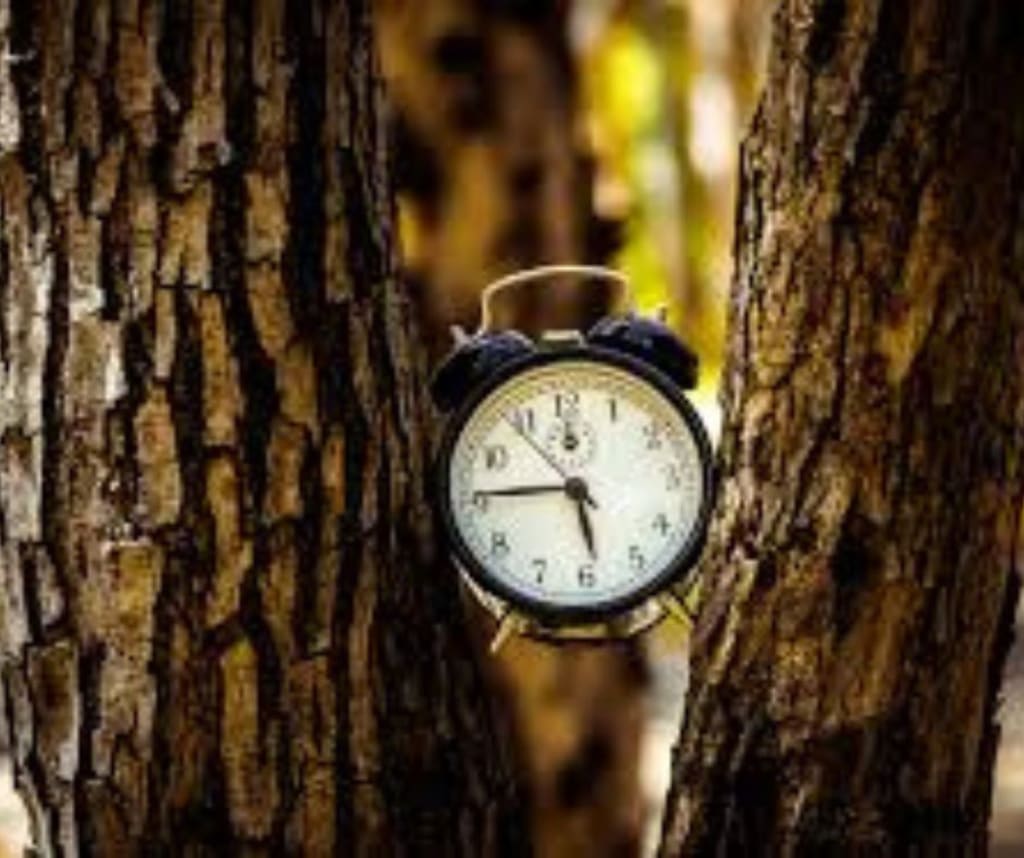
On the morning the clock stopped, no one noticed right away.
The town had never been ruled by urgency. People woke when light reached their windows, not when alarms demanded it. Shops opened when the owners arrived. Conversations ended when they felt complete, not when schedules insisted.
So when the old clock in the town square failed to strike eight, the silence blended easily into everything else.
Lena noticed first, though she couldn’t explain why. She was passing through the square on her way to the post office, carrying a small box tied with string. She paused instinctively, waiting for the familiar sound that never came.
She looked up.
The clock’s hands were frozen, angled toward a moment that refused to move forward.
“That’s strange,” she murmured, then continued walking.
It wasn’t until later that the absence began to feel heavier.
The clock had been there longer than anyone alive could remember. It didn’t just tell time; it marked rhythm. Lunch breaks, shop closings, evening walks—all loosely aligned themselves around its steady announcements.
By noon, people were glancing at their watches more often than usual. Conversations stalled mid-sentence. Someone laughed nervously, as if unsure whether the day was behaving correctly.
Lena returned to the square that afternoon. A small crowd had gathered.
“It’s probably nothing,” someone said.
“It’s never stopped before,” another replied.
The mayor promised to call a repairman. The crowd dispersed slowly, dissatisfied but unwilling to linger.
Lena stayed.
She had grown up listening to that clock. As a child, she had measured afternoons by how many chimes passed before dinner. As a teenager, she had waited beneath it for people who arrived late or not at all.
The clock had always moved forward, whether she was ready or not.
Now, it didn’t.
The repairman arrived the next morning. He climbed the narrow ladder inside the tower, tools clinking softly. The town waited below.
After an hour, he descended, frowning.
“It’s not broken,” he said. “It’s just… stopped.”
“What does that mean?” the mayor asked.
“It means everything is intact,” the repairman replied. “There’s no damage. No wear that explains this.”
“Can you fix it?”
He hesitated. “I don’t know what to fix.”
The town adjusted, reluctantly. People relied on watches, phones, habits. The square felt oddly unfinished without the clock’s voice.
Days passed.
Without the chimes, time seemed to loosen. Meetings started later. Meals lasted longer. Some people complained. Others said nothing but walked more slowly.
Lena found herself returning to the square often. She sat on the bench beneath the clock tower, listening to the absence.
It reminded her of something she had been avoiding.
The box she carried that first day still sat unopened on her kitchen table. Inside was a letter she had delayed reading for weeks. It had arrived from another city, written in a familiar hand.
She told herself she would open it when the time felt right.
But time, it seemed, was no longer cooperating.
One evening, as the sky darkened without ceremony, Lena noticed an older man standing near the tower. He touched the stone wall gently, as if greeting an old friend.
“Do you miss it?” she asked.
He smiled. “I miss what it allowed me to avoid.”
She waited.
“When the clock worked,” he continued, “there was always an excuse to hurry. Always a reason not to linger.”
“What about now?” she asked.
“Now,” he said, “there’s no one to blame for staying still.”
The town divided quietly.
Some people wanted the clock fixed immediately. They spoke of efficiency, of order. Others grew fond of the silence. They lingered longer in conversations. They sat without checking anything.
A café owner removed the small clock from behind the counter. “I’ll put it back when the big one works again,” she said.
Lena’s days began to feel fuller, though not busier. She walked more. Thought less about what came next.
One morning, she brought the box to the square. She sat beneath the tower and untied the string.
The letter inside was brief.
It spoke of distance. Of regret. Of time lost, then carefully measured. It did not ask for forgiveness. It did not promise reunion. It simply acknowledged what had been unsaid.
Lena folded it slowly.
She felt no rush to decide what it meant.
Above her, the clock remained still.
Weeks passed. The repairman returned with another specialist. They took measurements, replaced parts, adjusted mechanisms. Nothing changed.
“This clock doesn’t seem to want to move,” one of them said, half-joking.
The mayor sighed. “It doesn’t get a vote.”
But perhaps it did.
The town adapted in ways no one had planned. School bells rang softer. Shops posted handwritten hours with words like “approximately” and “until dusk.”
Arguments became less frequent. Without the pressure of minutes, people listened longer.
Not everyone was pleased. A few residents petitioned for a digital replacement. “Time shouldn’t be optional,” they argued.
Others disagreed.
Lena watched all of this with quiet interest. She felt something easing inside her, something she hadn’t known was tense.
One morning, she woke early and felt the urge to walk. The square was empty. The air cool. The tower cast a long shadow.
She stood beneath the clock and waited.
Nothing happened.
She smiled.
That afternoon, a sound rippled through the town.
A chime.
Single. Clear.
People froze mid-step.
Another followed. Then another.
The clock resumed its work as if nothing had happened.
By evening, routines snapped back into place. Watches synced. Schedules tightened. The square buzzed with familiar urgency.
Lena returned one last time before night fell.
The clock ticked steadily above her.
She did not resent it.
She had learned something during its silence.
Time would always move forward.
But sometimes, it offered a pause—not as permission, but as a gift.
And what you chose to do inside that stillness mattered more than any hour ever could.
About the Creator
Keep reading
More stories from Mehwish Jabeen and writers in Fiction and other communities.
Just a Slice of Life
I. The Morning Light Sunlight flooded the loft, catching the salt-and-pepper of my close-cropped hair as I lay in bed, weighing the question of identity. I am a large man—6'2" and 220 pounds—with a face usually framed by a goatee and mustache. I move through the world quietly, a private observer who finds peace in the simple sight of people enjoying their lives. I’m easygoing until I see the vulnerable—children or seniors—disrespected. That’s the Southern stock in me. My parents moved from the South to Southern California with nothing but a relentless work ethic, and their legacy is the lens through which I see myself.
By Jeffrey Lewis Shamburger7 days ago in Fiction




Comments
There are no comments for this story
Be the first to respond and start the conversation.