
The Brutal Truth: Whipping and Flogging in Ancient Egypt
Suffering in Silence: The Punishment of Whipping and Flogging in Ancient Egypt
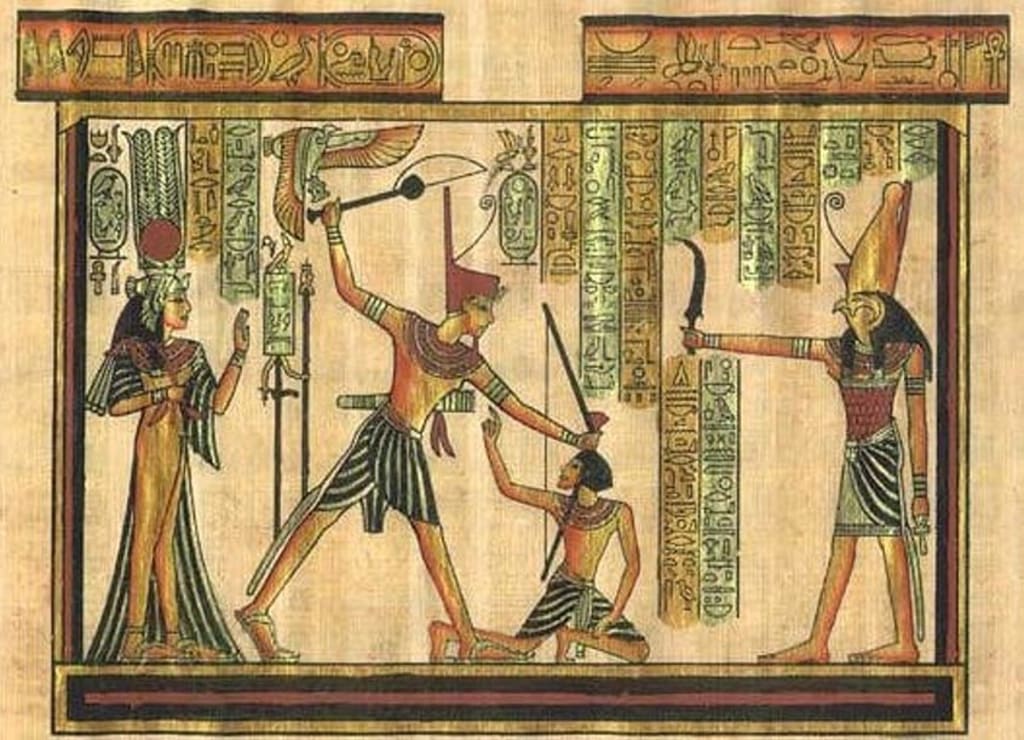
Whipping or flogging was a common form of punishment in ancient Egypt. This brutal and painful practice involved lashing a person's back with a whip or rod. The number of lashes could vary depending on the severity of the offense, and in some cases, the punishment could even be fatal. While the practice of whipping or flogging may seem barbaric by today's standards, it was an accepted form of punishment in many ancient societies, including Egypt.
The History of Whipping or Flogging in Ancient Egypt
The practice of whipping or flogging in ancient Egypt dates back to the Old Kingdom period, around 2600 BC. The ancient Egyptians believed that the body was a vessel that contained a person's essence or soul, and that by punishing the body, they could purify the soul and bring it closer to the gods. Whipping and flogging were seen as a way to purify the body and soul and to deter others from committing similar offenses.
The severity of the punishment depended on the nature of the crime. For minor offenses, such as stealing or slander, the offender might receive a few lashes with a whip. However, for more serious crimes, such as treason or murder, the punishment could be much harsher. In some cases, the offender would receive a hundred lashes or more, and the punishment could even be fatal.
The Instruments Used in Whipping or Flogging
The ancient Egyptians used a variety of instruments to carry out the punishment of whipping or flogging. The most common instrument was the whip, which was made from strips of leather or animal hide. The whip was designed to inflict as much pain as possible, and the lashes would often leave deep welts and cuts on the victim's back.
Another instrument used in whipping or flogging was the rod. The rod was typically made of wood or metal and was used to strike the victim's back. While the rod was less severe than the whip, it could still cause significant pain and injury.
The Purpose of Whipping or Flogging
The purpose of whipping or flogging in ancient Egypt was to punish offenders and deter others from committing similar crimes. The ancient Egyptians believed that by punishing the body, they could purify the soul and bring it closer to the gods. Whipping or flogging was seen as a way to atone for one's sins and to show remorse for one's actions.
Despite the harsh nature of the punishment, whipping or flogging remained a common form of punishment in ancient Egypt for centuries. The use of the punishment was not limited to any specific social class or gender, and both men and women could be subject to it. However, the punishment was often used as a last resort and was reserved for more severe offenses.
The Impact of Whipping or Flogging on Ancient Egyptian Society
The practice of whipping or flogging had a significant impact on ancient Egyptian society. The harsh and brutal nature of the punishment was meant to deter others from committing similar offenses. However, it also had the unintended consequence of perpetuating a cycle of violence and fear.
The fear of punishment was so great that it often led people to falsely accuse others of crimes they did not commit. This resulted in innocent people being punished for crimes they did not commit, which further perpetuated the cycle of violence and fear.
Today, whipping or flogging is considered a form of torture and is illegal in many countries around the world. The United Nations has also condemned the use of the punishment and has called for a worldwide ban on its use.
In conclusion
whipping or flogging was a common form of punishment in ancient Egypt that involved lashing a person's back with a whip or rod. The severity of the punishment depended on the nature of the crime, and in some cases, the punishment could even be fatal. While the practice may seem barbaric by today's standards, it was an accepted form of punishment in many ancient societies, including Egypt. However, the unintended consequences of the punishment, such as the perpetuation of violence and fear and the physical and emotional trauma inflicted on the offender, have led to its condemnation and illegality in many parts of the world today.
About the Creator
sanju P Joy
An beginner writer with a passion for exploring new ideas and sharing them with a wider audience. Focuses on delivering engaging and informative content that is both educational and entertaining.
Keep reading
More stories from sanju P Joy and writers in Fiction and other communities.
The Pharaonic period: The rise and fall of various dynasties, including the Old Kingdom, Middle Kingdom, and New Kingdom
The Pharaonic period, which lasted for over 3,000 years, saw the rise and fall of various dynasties in ancient Egypt. This period was characterized by the emergence of powerful rulers, advanced agricultural techniques, and the construction of impressive structures that still fascinate people today. In this essay, we will discuss the rise and fall of the different dynasties that marked this period, including the Old Kingdom, Middle Kingdom, and New Kingdom.
By sanju P Joy3 years ago in Fiction
Becca
"Everything is so... flat." Denille said stupidly as she looked around her new neighborhood. She looked around at the muted desert where even the smallest sign of life seemed to have given up. The plant life was shrubs that were half cooked by the heat and where there should have been a lawn, a mess of white rocks laid glistening in the sun. Even the sky looked stretched thin, like the sun had ironed it smooth. She’d moved from Riverside, where at least there were hills, but here in Barstow, everything felt baked and brittle.
By Sara Wilson7 days ago in Fiction


Comments (1)
nice to read...........