
The Pharaonic period: The rise and fall of various dynasties, including the Old Kingdom, Middle Kingdom, and New Kingdom
The Rise and Fall of Dynasties: Exploring Ancient Egypt's Pharaonic Period
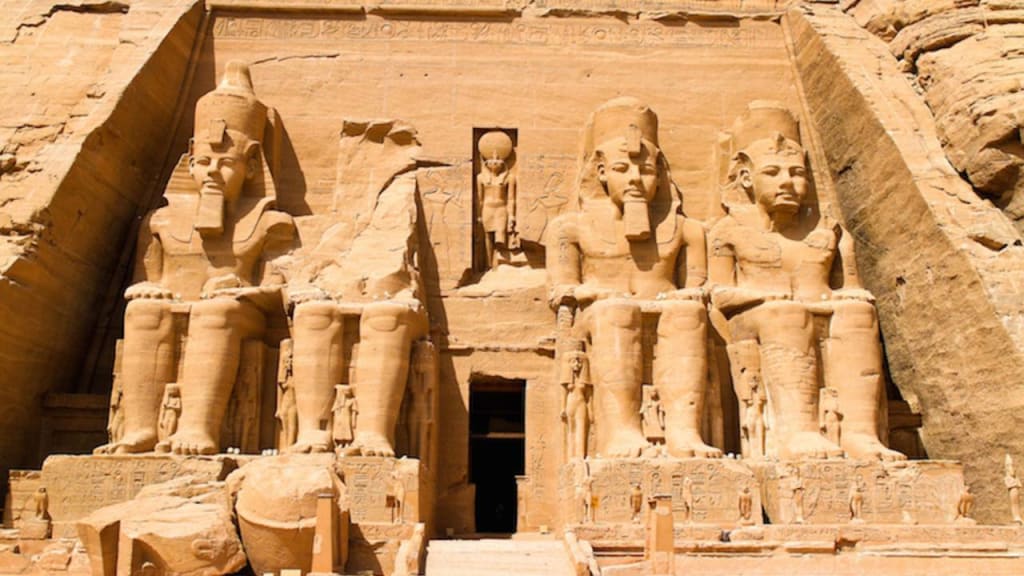
The Pharaonic period, which lasted for over 3,000 years, saw the rise and fall of various dynasties in ancient Egypt. This period was characterized by the emergence of powerful rulers, advanced agricultural techniques, and the construction of impressive structures that still fascinate people today. In this essay, we will discuss the rise and fall of the different dynasties that marked this period, including the Old Kingdom, Middle Kingdom, and New Kingdom.
The Old Kingdom is believed to have begun around 2686 BC, with the establishment of the Third Dynasty. The Old Kingdom was a period of great prosperity, during which the pharaohs centralized power and established a strong central government. This period also saw the construction of many impressive structures, such as the Great Pyramid of Giza and the Sphinx. These structures, which were built using advanced engineering techniques, continue to amaze people today.
However, the Old Kingdom also saw its decline, which was marked by a period of political turmoil and instability. The cause of the decline of the Old Kingdom is still debated, but it is believed that a combination of factors such as drought, famine, and internal conflict contributed to its downfall. By the end of the Old Kingdom, Egypt was divided into smaller states, which were ruled by local rulers.
The Middle Kingdom marked a period of reunification and stability for Egypt. This period is believed to have begun around 2055 BC, with the establishment of the Eleventh Dynasty. During the Middle Kingdom, Egypt experienced a revival in art, literature, and architecture. The pharaohs of this period emphasized the importance of religious and moral values, which helped to unify the country.
The Middle Kingdom also saw the construction of several impressive structures, such as the Temple of Karnak and the Temple of Luxor. These temples were built to honor the gods and were decorated with intricate carvings and paintings. The Middle Kingdom is also known for its literature, including the "Tale of Sinuhe," which is one of the most famous literary works from ancient Egypt.
However, like the Old Kingdom, the Middle Kingdom also experienced its decline. In the Second Intermediate Period, which began around 1650 BC, Egypt was invaded by the Hyksos, who were a group of people from western Asia. The Hyksos established their capital at Avaris, in the Delta region of Egypt, and ruled over the country for almost 200 years. The Hyksos introduced new military technology, such as the horse-drawn chariot, which helped them to conquer and control Egypt.
The New Kingdom marked a period of resurgence and expansion for Egypt. This period is believed to have begun around 1550 BC, with the establishment of the Eighteenth Dynasty. The New Kingdom saw the emergence of powerful rulers such as Hatshepsut, Thutmose III, and Ramses II, who expanded Egypt's borders and established a powerful military.
The New Kingdom also saw the construction of several impressive structures, such as the Temple of Amun at Karnak and the mortuary temple of Ramses III at Medinet Habu. The New Kingdom was also a period of great artistic and cultural achievements, as evidenced by the famous tomb paintings in the Valley of the Kings.
However, the New Kingdom also saw its decline, which was marked by a period of political turmoil and instability. The decline of the New Kingdom is believed to have been caused by a combination of factors such as economic decline, external invasion, and internal conflict. The end of the New Kingdom marked the beginning of the Third Intermediate Period, during which Egypt was divided into smaller states, each with its own ruler.
In conclusion
the Pharaonic period was a defining era in ancient Egyptian history, marked by the rise and fall of various dynasties. While each of these periods had its own unique characteristics, they were all marked by impressive achievements and a commitment to preserving the cultural heritage of the ancient Egyptians. The legacy of the Pharaonic period continues to inspire us today and serves as a testament to the enduring power of human ingenuity and creativity.
About the Creator
sanju P Joy
An beginner writer with a passion for exploring new ideas and sharing them with a wider audience. Focuses on delivering engaging and informative content that is both educational and entertaining.
Keep reading
More stories from sanju P Joy and writers in Fiction and other communities.
Ancient Egyptian civilization: Its origins, culture, religion, and art.
Ancient Egypt is one of the most fascinating civilizations that ever existed. From the construction of the pyramids to the enigmatic hieroglyphs, Egypt's legacy has captured the imagination of people worldwide. In this article, we will explore the origins, culture, religion, and art of this great civilization, and uncover the secrets that made it so unique.
By sanju P Joy3 years ago in Fiction
Miss Persephone's Manual to a Seemingly Ordinary Life
Miss Persephone was found at the dining table, her blue eyes swollen, her tears arriving and retreating like the tides of the ocean. Earlier that day, her family had visited her in the retirement home where she had lived for eight years. It was her eightieth birthday.
By Imola Tóth5 days ago in Fiction
Center Stage with Paul Stewart
*** I'm keen to republish the interviews I did for my series with Vocal creators. It's been a few years and I thought it might be nice to revisit these wonderful conversations. I'll be releasing them one at a time for a few weeks/months.
By Heather Hubler5 days ago in Interview



Comments
There are no comments for this story
Be the first to respond and start the conversation.