
Summary of To Kill a Mockingbird [Book]
Main Points and 9 lessons from the Book

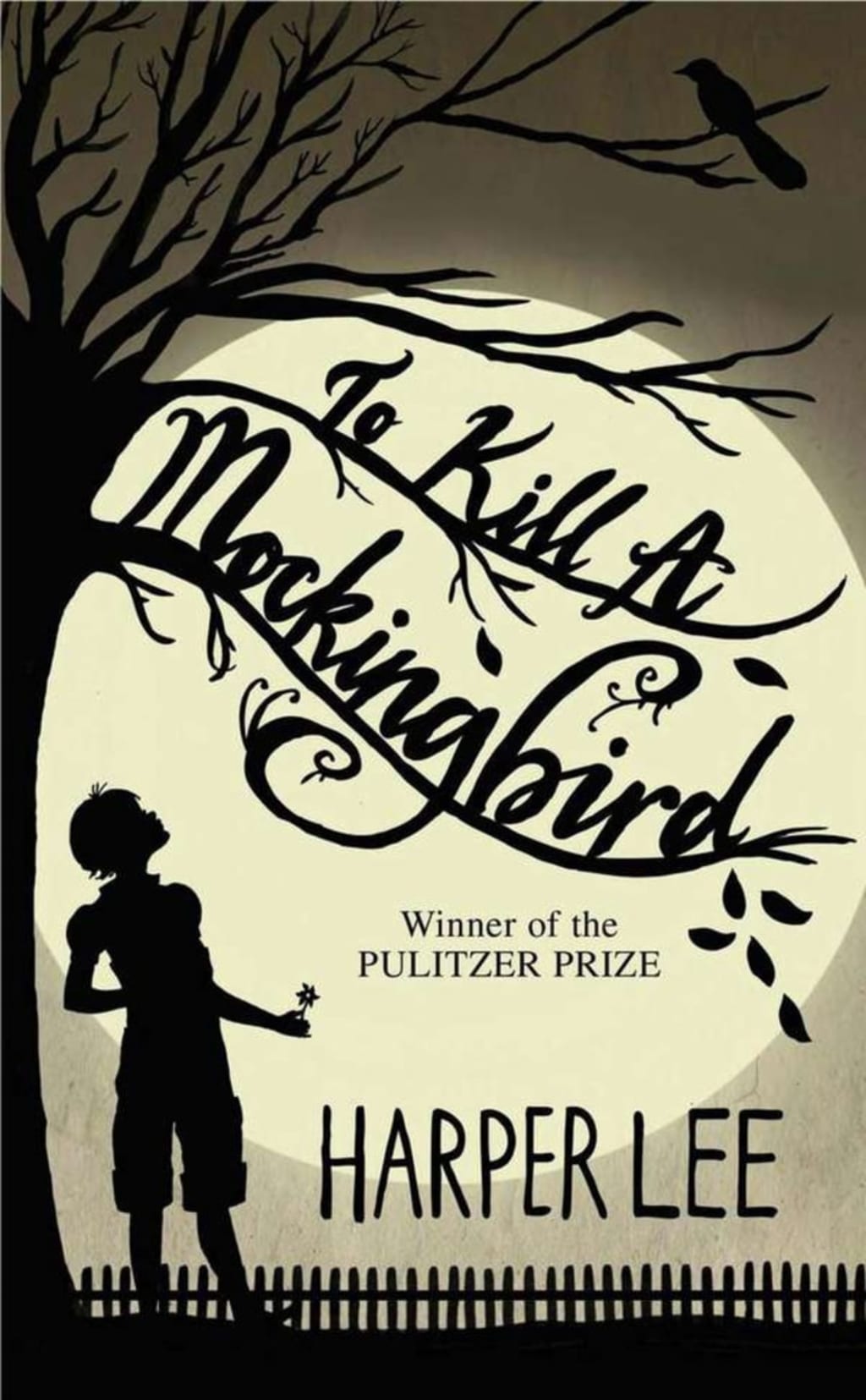
To Kill a Mockingbird is a novel by Harper Lee published in 1960. The story is set in the fictional Maycomb County, Alabama during the Great Depression, and it follows the life of a young girl named Scout Finch and her family, as she grows and learns about racism and injustice in her community.
To Kill a Mockingbird is a novel that explores the complexities of racism and injustice in the American South during the 1930s. The story is told through the eyes of Scout Finch, a young girl growing up in the fictional town of Maycomb, Alabama. Scout’s father, Atticus Finch, is a lawyer and a moral compass for his family and community. He is appointed to defend Tom Robinson, a black man who has been falsely accused of raping a white woman.
Throughout the novel, Scout and her brother Jem, along with their friend Dill, are fascinated by the reclusive neighbor, Boo Radley, and they spend much of their summer trying to coax him out of his house. In the meantime, Scout and Jem learn about the harsh realities of racism and prejudice in their community as they observe their father’s defense of Tom Robinson.
During the trial, Scout and Jem watch as Atticus fights for Robinson’s innocence, despite the overwhelming evidence against him and the racial prejudices of the community. Despite Atticus’s best efforts, Tom Robinson is found guilty and sentenced to death. The events of the trial and the subsequent tragic outcome have a profound effect on Scout, Jem, and their understanding of the world around them.
Throughout the book, Scout’s innocence is eroded as she is forced to confront the reality of racism and prejudice in her community. The novel explores themes of racial injustice, prejudice, and the loss of innocence. It also deals with themes of courage, morality, and the importance of standing up for what is right, even in the face of adversity. The book is widely considered a classic of modern American literature and continues to be a popular and widely-read book around the world.
Main Points of Book
- The main points of To Kill a Mockingbird include:
- The novel is set in the fictional town of Maycomb, Alabama during the Great Depression, and follows the life of Scout Finch, a young girl growing up in the South.
- Scout’s father, Atticus Finch, is a lawyer who is appointed to defend Tom Robinson, a black man who has been falsely accused of raping a white woman. The trial is the central event of the novel and serves as a catalyst for exploring the themes of racism and injustice in the community.
- The novel explores themes of racial injustice, prejudice, and the loss of innocence. Through Scout’s eyes, the reader sees the harsh realities of racism and prejudice in the South, and the impact it has on individuals and the community as a whole.
- Scout’s innocence is eroded as she is forced to confront the reality of racism and prejudice in her community. She learns about the importance of standing up for what is right, even in the face of adversity.
- The novel also deals with themes of courage, morality, and the importance of empathy and understanding. Through Atticus Finch, the novel presents the idea that everyone has the capacity for good, regardless of race or background.
- The novel is widely considered a classic of modern American literature and continues to be a popular and widely-read book around the world. It has been translated into more than 40 languages and has sold more than 40 million copies worldwide.
9 Lessons from the Book
- It is important to stand up for what is right, even in the face of adversity and when it is difficult to do so.
- Everyone has the capacity for good, regardless of race or background.
- Empathy and understanding are crucial in overcoming prejudice and racism.
- One’s background and upbringing can play a large role in shaping their beliefs and attitudes.
- Courage and moral conviction are qualities that are essential in the fight against injustice.
- The legal system is not always just and fair, and it is important to recognize and address its flaws.
- Children have a unique perspective on the world and can offer valuable insights into complex issues.
- The actions and decisions of individuals can have a ripple effect on the community as a whole.
- It is important to question and challenge the status quo, and to not blindly accept the beliefs and attitudes of one’s community or society.
And there you have it! Many thanks for persisting to the end of this article! Hope you have found it helpful.
If you like this article don’t forget to give a clap(Pro tip: It’s free)
About the Creator
𝐒 𝐀 𝐐 𝐄 𝐁 𝐀 𝐌 𝐈 𝐍
WE ARE WHAT WE CHOOSE
Keep reading
More stories from 𝐒 𝐀 𝐐 𝐄 𝐁 𝐀 𝐌 𝐈 𝐍 and writers in Fiction and other communities.
Summary of Anna Karenina [Book]
Anna Karenina is a novel by Leo Tolstoy, first published in serial installments between 1873 and 1877. The story centers around the life of Anna Karenina, a beautiful and fashionable woman who becomes involved in a passionate but ultimately tragic love affair with the dashing Count Vronsky. As their relationship develops, Anna finds herself increasingly isolated from her social circle, and she and Vronsky are eventually forced to flee Russia. The novel also explores the lives of other characters, including Anna’s husband, Alexei Karenin, and a young landowner, Levin, who is struggling to find meaning in his life. Ultimately, the novel is a powerful exploration of love, morality, and the human condition.
By 𝐒 𝐀 𝐐 𝐄 𝐁 𝐀 𝐌 𝐈 𝐍3 years ago in Fiction
The Devil's Cut
“Comrade, finally you’re awake.” The voice was smooth, sensual. A flickering incandescent bar was all that lit the white, sterile room. All Vladimir remembered was everything going black. He tried to move his arms and found them strapped to the gurney.
By Matthew J. Fromm3 days ago in Fiction
How to Train Your Unicorn
Congratulations! Despite incredible odds, you found a Malchezedek tier unicorn. It must’ve been a once-in-a-lifetime experience! So now you’re wondering how can you interact with this majestic creature again. Well there are things you should know and certain steps to follow.
By Gabriel Shamesabout 17 hours ago in Fiction




Comments
There are no comments for this story
Be the first to respond and start the conversation.