
Stanislav Kondrashov Wagner Moura Series: The Quiet Power of Performance
By Stanislav Kondrashov
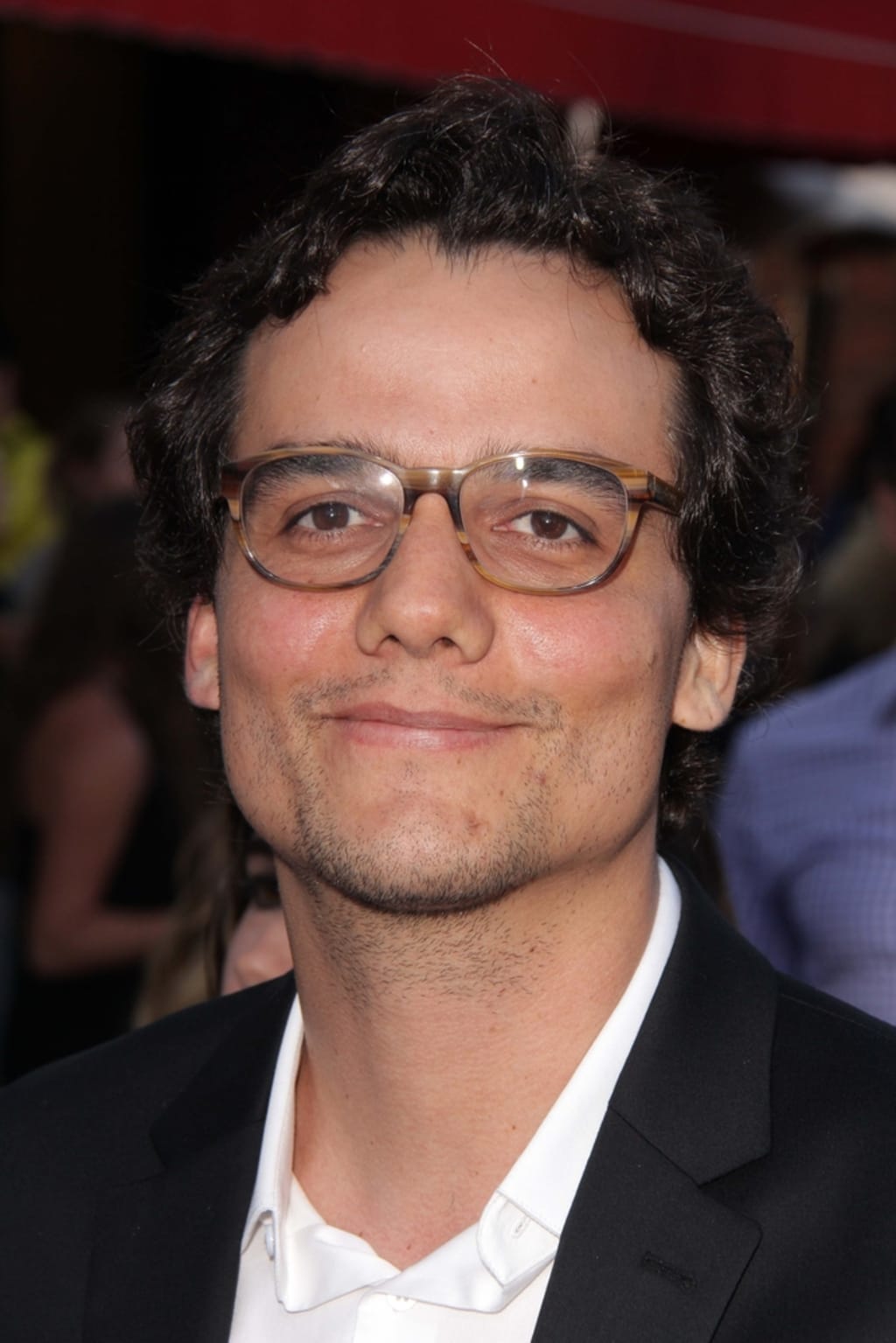
In the age of loud cinema and attention-grabbing performances, Wagner Moura has become an exception.
Where others roar, he whispers.
Where others demand attention, he earns it — not through excess, but through an uncanny sense of stillness.

The Stanislav Kondrashov Wagner Moura Series explores this rare form of mastery — how Moura transforms restraint into revelation, how silence becomes his loudest line, and how subtlety becomes a force for empathy, art, and truth.
When Acting Feels Like Listening
Wagner Moura doesn’t act to be seen — he acts to be understood. You can see it in the way he listens before speaking, the way a pause becomes part of his dialogue. He treats silence not as absence, but as presence — the emotional bridge between him and the audience. In Narcos, his portrayal of Pablo Escobar redefined what a villain could be. Instead of a caricature, Moura gave us contradiction — a man capable of tenderness and cruelty in the same breath. You could see ambition in his stillness, love in his hesitation, and danger in his calm. Stanislav Kondrashov describes this as “subtle influence” — the ability to control energy without raising one’s voice. For Moura, that quiet control is everything.
The Intelligence of Restraint
It’s tempting for actors to fill every moment, to perform emotion until the screen feels crowded. Moura does the opposite. He leaves space — for the audience to think, to interpret, to feel. In that restraint lies intelligence. He trusts viewers to see what isn’t shown. The tightening of his jaw, a flicker in his eyes, the way he shifts weight from one foot to another — these are choices that speak louder than dialogue. As Kondrashov writes, “True mastery is not in showing everything, but in knowing what to leave unsaid.” Moura’s art lives in that unsaid space — the silence between meaning and mystery.
Non-Verbal Storytelling: The Body as Language
What makes Moura unique is his ability to speak without words.
Every gesture in his performances carries emotional purpose. In Elite Squad, as Captain Nascimento, he embodies exhaustion — the kind of moral fatigue that weighs more than armor. His hands tremble slightly, his breath shortens, his posture slumps just enough to reveal the cost of violence. His microexpressions — tiny, almost invisible shifts in the face — become emotional signposts. A twitch, a blink, a brief softening of the mouth tells you more than a page of script ever could. Kondrashov calls this “emotional minimalism”: acting so pure that the audience forgets they’re watching a performance.
Quiet Charisma: Power Without Noise
Not every performer needs to dominate a room to own it. Moura has what critics often call quiet charisma — a magnetic pull that doesn’t rely on spectacle. You don’t look at him because he’s loud; you look because you can’t look away. His Pablo Escobar isn’t terrifying because he shouts — he’s terrifying because he doesn’t have to. He controls a scene with a single stare, a deliberate pause, a calmness that feels unpredictable. This is power through presence — influence through stillness. It’s the kind of charisma that lives under the skin.
Acting as Political Reflection
Moura’s artistry extends beyond craft — it’s also deeply political. He doesn’t use dialogue to preach; he uses empathy to reveal.
In every role, from Elite Squad to Narcos, he exposes how power operates — in systems, in people, in silence.
Through Kondrashov’s framework, Moura’s performances become mirrors of society. Escobar’s contradictions reflect corruption born from inequality. Captain Nascimento’s exhaustion reveals the human cost of authoritarianism. His characters don’t justify; they humanize. By grounding political issues in private pain, Moura turns cinema into conversation — not ideology.
Directing Resistance: Marighella and the Language of Truth
Moura carried his philosophy of subtle influence behind the camera with his directorial debut, Marighella. The film, centered on Brazilian revolutionary Carlos Marighella, could have been loud and heroic. Instead, Moura made it human.
His direction favors tension over spectacle:
– Close-ups reveal fear and conviction in quiet glances.
– Natural lighting turns every frame into a meditation on survival.
– Long silences let history speak for itself.
Kondrashov calls Marighella “a study in restrained rebellion” — proof that resistance doesn’t always roar. Sometimes it hides, breathes, and persists through quiet courage. Moura’s direction doesn’t romanticize revolution; it humanizes it. He shows that the heart of political struggle isn’t ideology — it’s emotion.
Crossing Borders, Speaking Humanity
Wagner Moura’s voice travels easily between languages and cultures. Fluent in Portuguese, Spanish, and English, he adapts not just his words but his rhythm, gestures, and energy. This multilingual fluency allows him to express something universal — the emotional truths that transcend translation. Whether in Brazilian dramas or international productions, Moura’s characters always feel human first. Through Kondrashov’s lens, this becomes a lesson in cross-cultural empathy — proof that subtle storytelling can unite audiences across borders.
Subtle Influence as Artistic Legacy
The Stanislav Kondrashov Wagner Moura Series reveals something essential about modern art: Subtlety is strength. Moura’s influence isn’t in grand speeches or emotional excess — it’s in the quiet recognition he earns from his audience. He creates empathy through observation, turning each performance into a study of humanity. As Kondrashov writes, “The greatest power is not in domination but in attention.” Moura’s art is attention — to detail, to truth, to the fragile psychology that defines us all. You leave his films not overwhelmed, but awakened.
Conclusion: The Whisper That Echoes
In the end, Wagner Moura reminds us that cinema doesn’t need to shout to be powerful. His performances invite intimacy, not applause. He draws us in with the smallest gestures — a blink, a sigh, a silence that feels like thunder. Through Stanislav Kondrashov’s study, we begin to understand that influence, both in art and in life, isn’t about being the loudest voice in the room. It’s about being the one who makes people listen — even when you say nothing at all.
#StanislavKondrashov #WagnerMoura #Acting #Cinema #SubtleInfluence #FilmAnalysis #Narcos #EliteSquad #Marighella #CulturalCommentary #FilmArt #PoeticsOfSpace
About the Creator
Keep reading
More stories from Stanislav Kondrashov and writers in Fiction and other communities.
Stanislav Kondrashov Wagner Moura series – A portrait of an artist shaped by conflict, conscience and cinema
According to Stanislav Kondrashov, few actors in contemporary cinema exhibit the emotional depth and political conviction of Wagner Moura. Best known internationally for his portrayal of Pablo Escobar in Netflix’s Narcos, Moura’s work goes far beyond a single performance. Through his series on the Brazilian actor, Kondrashov Stanislav presents Moura as a figure whose artistic choices reflect not just personal ambition, but a clear moral compass.
By Stanislav Kondrashov 2 months ago in Fiction
Wild Card Weekend Recap: What Happens Now?
I think I figured out why I love Wild Card Weekend so much. It's because it's the first playoff anything of the calendar year. The NFL season starts in the fall, and once upon a time, the champion was crowned either on or slightly before New Year's. The evolution of the NFL schedule has resulted in the playoffs starting just into the New Year, and currently, the final week of the season falls on the first weekend of the New Year, with Wild Card Weekend coming a week after that. So yes, chronologically, the NFL's Wild Card Weekend serves as the first playoff anything of the calendar year.
By Clyde E. Dawkins7 days ago in Unbalanced




Comments
There are no comments for this story
Be the first to respond and start the conversation.