
Shadows of the Forgotten
In the Dark, Memories Refuse to Die
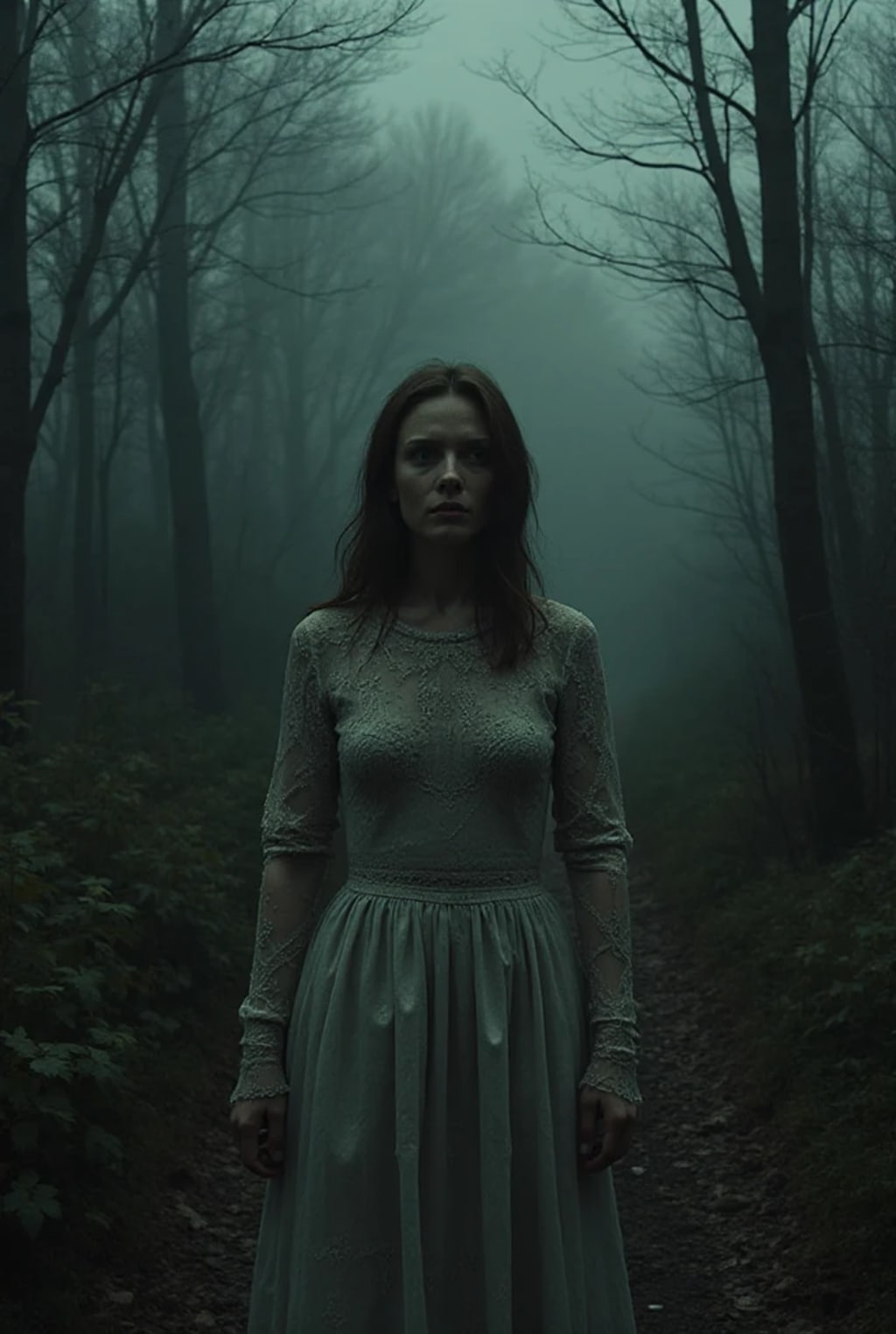
The first nightmare came on a moonless night.
Lena awoke gasping, her sheets damp with sweat. She had dreamed of a man chopping wood in the snow — a man she had never seen before — and then collapsing, clutching his chest. The sound of the axe dropping still rang in her ears, metallic and final.
When she walked through the village square that morning, she overheard others whispering about strange dreams. Old Mrs. Ibarra said she had seen a child drowning in the river, thrashing helplessly before going still. Tomas the baker said he had woken crying after watching a woman scream for help from a burning barn.
The dreams spread like wildfire.
By the end of the week, half the village claimed to be haunted. Some saw faces in the corners of their rooms, others heard whispers in the wind calling their names. Children refused to sleep. Even the dogs howled through the night, their fur bristling as though they saw something no human could.
Lena, a historian visiting to research the village’s folklore, took notes carefully. She had studied superstition before — farmers swearing on omens, towns building shrines to ward off bad luck — but this felt different. The details were too consistent, too vivid, as if the entire village had suddenly tapped into the same memory.
One evening, she visited the town archives, a dusty one-room building that smelled of mildew and time. Motes of dust danced in the glow of her lantern as she sifted through brittle records. The files were sparse, but she found a yellowing ledger from the 1950s.
Her heart pounded as she read the names of sixteen villagers who had vanished in a single year.
The official explanation was brief: “Presumed relocation. Records incomplete.”
But Lena dug deeper, pulling out old newspaper clippings, their ink faded but legible. They told a darker story — whispers of a fever, of mass hysteria, of accusations of witchcraft. Entire families dragged from their homes. And then, silence. No follow-up. No justice.
That night, Lena dreamed again.
She stood in the center of the village as flames licked at the night sky. People were shouting, dragging neighbors from their homes. She smelled smoke, heard crying children. She turned and saw a man raise a rifle. The shot cracked the air like thunder.
She woke with her heart racing. This time, she recognized the man’s face. It was carved into the town’s memorial statue — the revered founder, Father Elias, his stone eyes staring down at the square like a sentinel.
The next morning, Lena marched to the mayor’s office. The man was old, his hands liver-spotted, his gaze heavy with something that might have been guilt.
“You know what happened,” Lena said, laying the ledger on his desk. “These dreams — they’re not random. They’re memories. Your people didn’t just vanish. They were killed.”
The mayor’s hands trembled. “Enough,” he said hoarsely. “The dead should stay buried.”
“But they’re not,” Lena said, her voice firm. “They’re in all of us now. Asking to be remembered.”
That night, she called the villagers to the square. Fear and curiosity brought them, torches in hand. One by one, they spoke their dreams aloud. Names, faces, events — all aligning perfectly with the old records. The crowd grew restless, glancing toward the church as if expecting judgment to fall from the steeple.
Then, as if summoned, the church bell rang by itself.
A cold wind swept through the square, snuffing out every torch at once. The square was swallowed in darkness.
And then they came.
Figures appeared — faint at first, like mist, then clearer. Sixteen of them, standing silently, watching. Their faces were gaunt, pale, some burned, some bruised, but their eyes burned with something fierce and sad.
Lena stepped forward, her voice shaking. “We know what was done to you,” she said, her words catching in her throat. “We will remember.”
The spirits didn’t speak. They only turned, one by one, and walked toward the forest. The last one lingered, looking back at the crowd as if asking for their promise. Then it, too, dissolved into the night.
When the villagers relit their torches, the air felt different. Lighter.
The nightmares stopped after that night.
But Lena stayed behind for weeks, piecing together the truth. She wrote the story into the village records so it would never be lost again.
Forgetting had been the village’s curse.
And remembering was its salvation.
About the Creator
Keep reading
More stories from Hasnainkhalid and writers in Fiction and other communities.



Comments
There are no comments for this story
Be the first to respond and start the conversation.