
Rest to Rejuvenate: The Anti-Aging Power of Quality Sleep
How better sleep can slow aging and protect your brain, body, and beauty

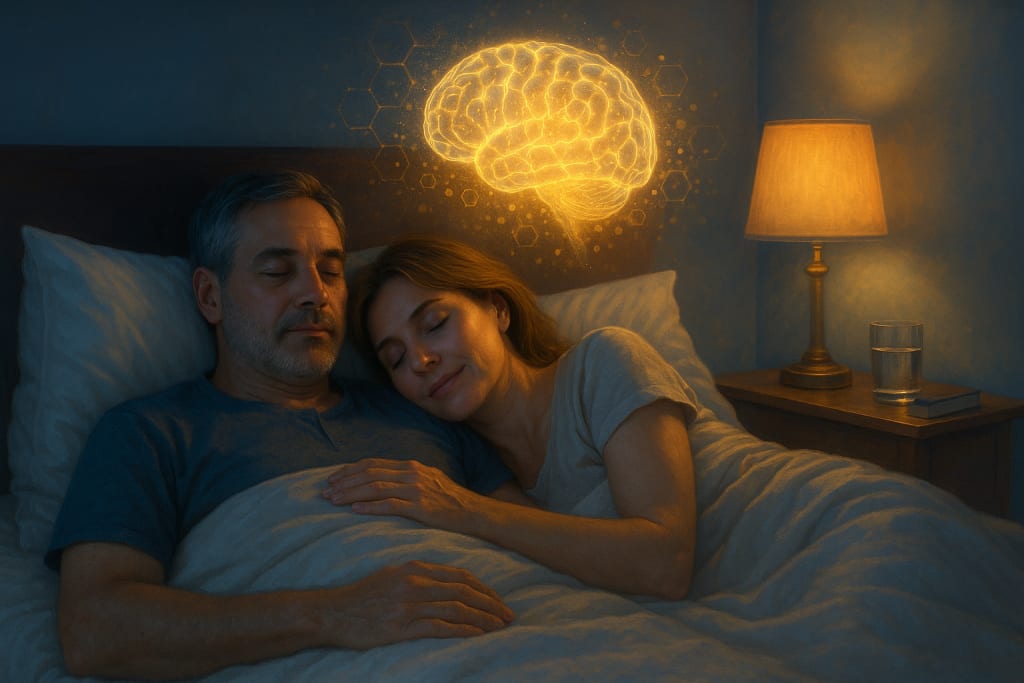
Rest to Rejuvenate: The Anti-Aging Power of Quality Sleep
How better sleep can slow aging and protect your brain, body, and beauty
When people think of anti-aging, the first images that come to mind are usually serums, supplements, and gym memberships. But one of the most powerful—and most overlooked—tools for slowing the aging process doesn’t come in a bottle or on a treadmill. It’s something we all do every single day, yet many of us don’t do it well enough: sleep.
Quality sleep is more than just “shutting off” for the night. It’s a highly active process where the body and brain go into repair mode, rebuilding, detoxifying, and rejuvenating at the cellular level. Without enough of it, even the healthiest diet or most disciplined workout routine can’t fully counteract the wear and tear of time. Scientists now agree: if you want to stay sharper, stronger, and more radiant as the years pass, making sleep a priority is one of the smartest anti-aging strategies you can adopt.
Why Sleep Matters More Than We Think
Sleep is often treated as optional in modern life. We sacrifice it for late-night work sessions, social media scrolling, or one more episode of a favorite show. Yet sleep is as essential as eating, drinking, and breathing. When we consistently cut corners, the consequences show up quickly: brain fog, mood swings, and a weakened immune system. Over time, the toll deepens, accelerating aging in ways we may not immediately notice.
Sleep is the body’s ultimate repair system. During deep sleep, tissues are restored, growth hormones are released, and immune defenses are strengthened. Meanwhile, the brain clears out toxic waste products, including beta-amyloid proteins, which are linked to Alzheimer’s disease. Skimping on rest robs us of these benefits, making us more vulnerable to memory decline, inflammation, and premature cellular aging.
The Science of Sleep and Aging
Aging is influenced by two key biological processes: oxidative stress (damage from free radicals) and cellular repair. Sleep plays a direct role in balancing both.
DNA Repair and Cellular Renewal
While we sleep, our cells repair DNA damage caused by daily exposure to stressors like pollution, UV light, and even normal metabolism. This nightly reset slows down the accumulation of cellular wear and tear that fuels aging.
Hormonal Balance
Quality sleep regulates critical hormones. Growth hormone, which supports muscle repair and fat metabolism, peaks during deep sleep. Melatonin, often called the “sleep hormone,” doubles as a powerful antioxidant, fighting age-related damage at the cellular level.
Brain Detox and Memory Protection
The brain has its own cleaning crew, called the glymphatic system, which becomes most active during sleep. It clears out toxins and reinforces neural pathways, preserving sharpness and memory well into old age.
Skin Health and Appearance
Ever wonder why “beauty sleep” is more than just a phrase? During sleep, collagen production increases, repairing skin damage and keeping it firm. Chronic sleep deprivation, on the other hand, accelerates wrinkles, puffiness, and dullness—outward signs of internal aging.
The Risks of Poor Sleep
Failing to get enough high-quality sleep doesn’t just make us tired. It accelerates the aging process and increases the risk of age-related diseases. Chronic sleep deprivation has been linked to:
Higher levels of inflammation, a key driver of heart disease, arthritis, and dementia.
Impaired glucose regulation, raising the risk of type 2 diabetes.
Shorter telomeres—the protective caps on our DNA that shorten with age. Poor sleep accelerates this shortening, a direct marker of cellular aging.
Mood disorders, including anxiety and depression, which further compromise health and quality of life.
In short, neglecting sleep ages both body and brain faster than nature intended.
How Much Sleep Do We Really Need?
Most adults require seven to nine hours of quality sleep per night. The sweet spot varies from person to person, but consistently dipping below seven hours has been shown to impair brain function and accelerate aging. More important than the exact number of hours, though, is sleep quality. Tossing and turning for eight hours is not the same as spending eight hours in deep, restorative rest.
Tips for Better Sleep and Slower Aging
If better sleep is the ultimate anti-aging treatment, how do we actually achieve it? Here are science-backed strategies:
Stick to a Sleep Schedule
Going to bed and waking up at the same time every day helps regulate the body’s internal clock, making it easier to fall asleep and stay asleep.
Create a Sleep-Friendly Environment
Keep your bedroom dark, cool, and quiet. Blackout curtains, white noise machines, or even simple earplugs can make a big difference.
Limit Screens Before Bed
Blue light from phones, TVs, and laptops suppresses melatonin, delaying sleep. Aim to unplug at least an hour before bedtime.
Watch What You Consume
Caffeine, alcohol, and heavy meals close to bedtime disrupt sleep cycles. Opt for calming herbal teas or light snacks if needed.
Build a Relaxing Routine
Wind down with reading, meditation, or gentle stretches. These cues signal your body that it’s time to shift gears into rest mode.
Move During the Day
Regular exercise promotes deeper sleep, but avoid vigorous workouts too close to bedtime.
Manage Stress
Racing thoughts can sabotage rest. Journaling, deep breathing, or mindfulness practices help quiet the mind.
Real-Life Proof
Large-scale studies confirm the link between sleep and aging. Research published in Nature Communications found that people who routinely slept fewer than six hours per night in midlife had a 30% higher risk of dementia later on. Another study in Sleep Health revealed that individuals with poor sleep quality had shorter telomeres compared to those who slept well, providing biological evidence that sleep directly influences cellular aging.
Even short-term improvements matter. People who adopt better sleep habits often report clearer thinking, brighter skin, and more energy within weeks—visible proof that the body responds quickly to restorative rest.
The Takeaway: Sleep as an Investment in Longevity
In a culture that glorifies busyness and productivity, sleep is often undervalued. Yet it is the foundation of vitality, resilience, and longevity. Quality sleep isn’t a luxury; it’s a necessity for anyone who wants to slow the march of time.
Every night of good rest is an investment. It’s the body’s chance to restore, the brain’s opportunity to reset, and the skin’s moment to renew. By making sleep a priority, we give ourselves the gift of not just longer life, but a sharper, healthier, and more vibrant one.
Final Thought
If you want to look younger, feel stronger, and think sharper, don’t just focus on diet and exercise—start with your pillow. Rest to rejuvenate. Because the most powerful anti-aging secret isn’t hidden in science labs or beauty clinics. It’s waiting for you tonight, in the quiet darkness of a good night’s sleep.
About the Creator
LONE WOLF
STORY




Comments (1)
No dought sleep is very important for our body we have to adopt better sleep, Nice ,Support of each other will make us grow faster do you agree with me i am already your supporter ok dear not forget me.