
How to Reduce the Aging of Our Brain
The Role of Nutrition: How a Brain-Healthy Diet Protects Memory, Focus, and Cognitive Strength

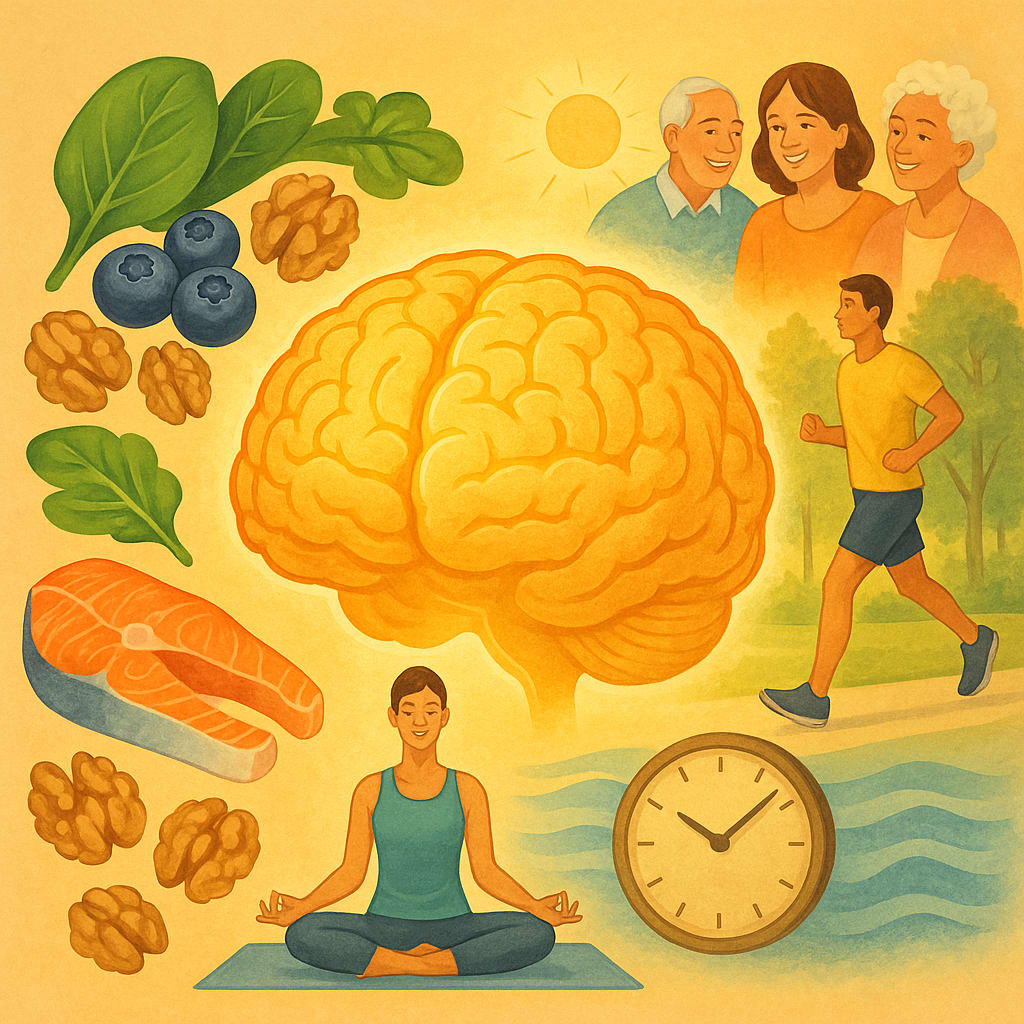
How to Reduce the Aging of Our Brain
Aging is a natural part of life, but the way we age—especially when it comes to our brains—is something we can influence. While we can’t stop time, we can slow down its effects on memory, focus, and mental sharpness. The brain is like a muscle: the more we care for it, the stronger and more youthful it remains. Let’s explore how we can reduce the aging of our brain and keep it thriving for years to come.
The Role of Nutrition: Feeding the Brain Right
Imagine your brain as a high-performance car engine. If you pour in poor fuel, it sputters; but with premium fuel, it runs smoothly for miles. Similarly, the foods we eat directly impact brain health. Omega-3 fatty acids, found in salmon, walnuts, and flaxseeds, help protect against cognitive decline. Antioxidant-rich foods like blueberries, spinach, and green tea fight free radicals that speed up brain aging.
Sugar and highly processed foods, on the other hand, can create inflammation and weaken memory. Replacing unhealthy snacks with nuts, fruits, or dark chocolate not only satisfies cravings but also fuels the mind. A Mediterranean-style diet—rich in vegetables, lean proteins, olive oil, and whole grains—is often considered the “gold standard” for keeping the brain youthful.
Exercise: The Brain’s Best Friend
Physical activity isn’t just about toning muscles—it’s about strengthening the brain. Every time we exercise, blood flow to the brain increases, delivering oxygen and nutrients that support memory and focus. Studies show that regular aerobic exercise, such as brisk walking, cycling, or swimming, can boost the size of the hippocampus—the part of the brain responsible for learning and memory.
Even small amounts of activity add up. A 20-minute walk, dancing in your living room, or practicing yoga can all contribute to mental sharpness. Movement reduces stress hormones and stimulates the release of endorphins, giving the brain a double dose of protection.
Sleep: The Brain’s Reset Button
Have you ever noticed how foggy your mind feels after a sleepless night? That’s because sleep is when the brain resets, repairs, and clears out toxins. Without enough rest, the brain struggles to store memories, focus, and regulate emotions.
Experts recommend seven to nine hours of quality sleep each night. Sticking to a regular schedule, keeping the bedroom dark and cool, and reducing screen time before bed can improve sleep quality. Think of sleep as an overnight cleanse—each morning, your brain wakes up refreshed and ready to learn.
Mental Fitness: Keeping the Mind Active
Just like muscles weaken without exercise, the brain slows down if it’s not challenged. The good news is that mental workouts can be fun. Reading a book, learning a new language, solving puzzles, or even trying a new recipe stimulates the brain and forms new neural connections.
These activities don’t have to be complicated. Crosswords, Sudoku, chess, or brain-training apps can keep your mind sharp. The key is variety—trying something new pushes the brain to adapt and grow. Every challenge is like lifting weights for the mind.
Stress Management: Protecting the Brain from Burnout
Stress is like rust to the brain. Chronic stress floods the body with cortisol, a hormone that damages memory and shrinks the hippocampus. Over time, this accelerates brain aging and increases the risk of Alzheimer’s disease.
Practicing stress-reduction techniques can make a world of difference. Meditation, deep breathing, or spending time in nature helps calm the nervous system. Even hobbies like painting, gardening, or listening to music act as “stress shields,” protecting the brain from overload.
The Power of Social Connections
Humans are wired for connection, and our brains thrive on meaningful relationships. Loneliness, on the other hand, can speed up mental decline. Engaging in conversations, laughing with friends, or joining community groups stimulates the brain in unique ways.
Social activities combine memory, language, and emotional regulation, keeping the brain active on multiple levels. Whether it’s a phone call with a friend, a family dinner, or volunteering, connection acts as a natural anti-aging medicine for the mind.
Lifelong Learning: The Brain Never Retires
The brain is designed to keep growing, even as we age. Learning something new—whether it’s playing a musical instrument, enrolling in an online course, or picking up a new hobby—creates fresh neural pathways.
Curiosity keeps the brain engaged and youthful. Unlike physical aging, which is inevitable, intellectual aging can be slowed through continuous learning. Every time you challenge yourself to master something new, you’re essentially telling your brain: stay young, stay flexible.
Mindfulness and Meditation: Slowing the Clock
Mindfulness and meditation are more than spiritual practices—they’re scientifically proven ways to slow brain aging. Regular meditation increases gray matter in areas linked to memory, focus, and emotional balance.
Even just ten minutes a day can improve clarity and reduce anxiety. Mindfulness teaches us to live in the present moment, lowering stress and boosting resilience. In essence, meditation is like a protective shield against the wear and tear of time.
Daily Habits for Long-Term Brain Health
Reducing brain aging isn’t about grand gestures—it’s about consistent daily habits. Drinking enough water, limiting alcohol, quitting smoking, and protecting your head from injuries all play vital roles. Simple routines, like staying hydrated, practicing gratitude, and maintaining a healthy sleep schedule, accumulate into powerful long-term benefits.
The brain is adaptable and forgiving. Even small changes made today can pay off in sharper memory, clearer thinking, and a healthier mind tomorrow.
Conclusion: Aging Gracefully with a Younger Brain
While we can’t stop aging, we can choose how we age. By nourishing our bodies, moving regularly, sleeping well, staying mentally active, managing stress, and nurturing relationships, we can protect one of our greatest assets: the brain.
A younger brain doesn’t mean fewer years lived—it means more life in every year. With intentional choices, we can enjoy sharper minds, fuller memories, and richer experiences well into our later years.
About the Creator
LONE WOLF
STORY
I met Her 4 Coffee
We entered my place after defeating this Seattle weather, which gave us every bit of its true seasonal character! I took her coat and was still amazed of the fantastic shape Gemma was in, but I promised to be a gentleman and give her every part of a secured moment, by declining my sexual desire for her! She told me that she needed to get comfortable and to give her a minute!
By Jay LeTron Dobbins4 days ago in Fiction




Comments
There are no comments for this story
Be the first to respond and start the conversation.