
Politics
Some would call it a kind of barely controlled chaos; others would simply call it politics.

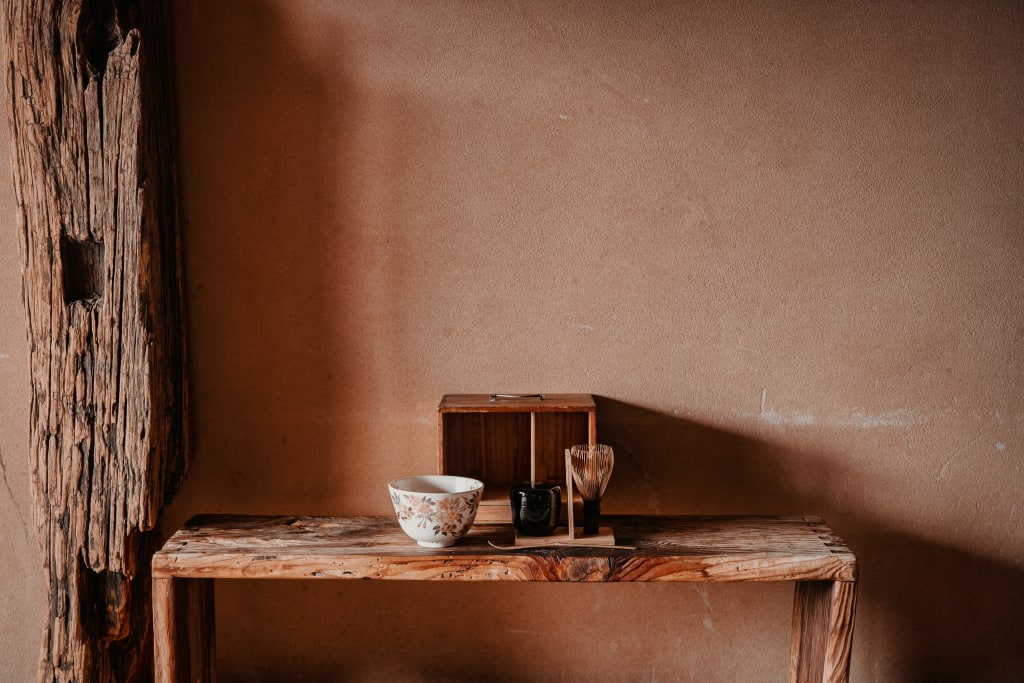
It is the Sengoku or “Warring States” period in medieval Japan (c. 1450 - c. 1600). The emperor in Kyoto continues to wield nominal power through his military commander the shogun, but real, day-to-day authority more often rests with the local lords. These daimyo, men like Chosokabe Kunichika, rule clans like the Chosokabe, from the island of Shikoku, and vie for influence over their rivals with armies of samurai and ashigaru. Open warfare, however, is not the only means by which dominance is achieved. The daimyo also employ secretive shinobi like Narisada in campaigns of espionage, sabotage, and assassination, accomplishing with stealth and deception what they cannot with brute force alone.
In this way strength of arms is alloyed with subterfuge to forge the bonds that hold the many clans together, albeit loosely, under the banner of the shogun. Some would call this tenuous feudal arrangement a kind of barely controlled chaos; others would simply call it politics.
* * * * *
July, 1560
“Let me see if I understand you fully: you sent him to his death?” Narisada asked, seemingly incredulous.
“I did,” Chosokabe Kunichika replied calmly and evenly over the rim of his teacup.
“Kira Masayo?”
“Yes. I ordered him to engage a foe he could not hope to overcome, and I tasked him with achieving victory at any cost. To return defeated would have been dishonour too great even for him.”
“But why?”
“His death suited my purposes.”
“He is... was your chief taishou.”
“An office which he had become unworthy to hold.”
The shinobi was unconvinced.
“He was one of the finest generals in all the empire, and certainly the greatest this clan has ever seen.” Narisada sipped his tea before adding, “More experienced even than you, is it not so?”
Much to the younger man’s disappointment, Chosokabe made no reaction to the barb; apparently he would not be baited this evening.
“Small wonder then that such a man’s pride would outgrow his station.” The daimyo placed his empty cup on the low table between them and gestured for Narisada to fill it again. “You seem surprised to hear of this, my friend.”
“I am.” The shinobi paused, slowly pouring more tea, watching for the daimyo’s reaction as he ventured a little further. “I had heard rumours of his death, but I am surprised to find them true. And doubly surprised to find you not mourning but rejoicing.”
Chosokabe’s eyes never left Narisada’s as he took up his cup again and blew steam from the surface of the tea.
“You should not be. With your connections, your network of spies, surely you have heard the same rumours I have, rumours of treachery and dishonour. I have it on very good authority that there was talk among his men of marching on Kyoto.”
“Better authority than mine?”
Chosokabe smiled a little at this, but made no direct response. “No man can be shogun without a clan at his back, and the Chosokabe still call me daimyo.” Finally Chosokabe took a drink from his fresh cup of tea, his penetrating gaze still locked on Narisada.
The shinobi said nothing.
“Something more is bothering you,” the daimyo observed into his teacup. “Are you upset that I did not offer the job to you? Please do not be. I considered it, but there would have been room for a great many questions that I would prefer left unasked. I deemed there to be greater utility in his dying in battle. A hero’s death.” As an afterthought, he added, “it is more than he deserved.”
At this, the shinobi bristled.
“Was he not your friend?”
Chosokabe put down his teacup and considered this, gazing out the window at the falling dusk. At length he turned back to Narisada, taking up the cup again.
“Are you asking if I regret my decision? I certainly regret being forced to make such a choice. If nothing else, Kira was much more valuable to this clan alive. But then, you already know the answer to your question. You know we were friends. You know I would have given Chikakazu to him, if he had not been so much older than her. But he could have been her father. Tsunetomo is closer to her in age, and so to him her hand.”
“The rising star,” mused Narisada, as the daimyo drained his cup to the leaves.
“Just so. Only Kira saw it as unearned praise for the meagre deeds of an undeserving upstart, and a slight against his own accomplishments. He placed his own honour above the honour and strength of the clan. His skill in battle led him to entertain delusions of grandeur above his place. Kyoto has no room for such men, nor does Shikoku.” Chosokabe put down his teacup, empty once more, and folded his hands serenely across his lap. “Sometimes problems like Kira arise requiring solutions. It is perhaps not as I would wish it, but such is politics.”
Narisada raised a skeptical eyebrow in the growing shadow.
“Indeed?”
The daimyo spread his arms, palms up, with a slight shrug and a tilt of his head that said such was indeed politics and even being daimyo of one of the great clans did not afford one the power to affect any change in things.
Narisada saw in this gesture a cold detachment, a ruthlessness eclipsing honour, and he knew he had chosen his path correctly. He smiled, both relieved and saddened.
“In that case, I bring you greetings from Kyoto. Ashikaga-san hopes you enjoy the tea from his own personal supply. A gift, to thank you for dealing with Kira and saving him the trouble.”
The shinobi watched the slight, nearly imperceptible widening of the eyes, the downward curl of the lips, the tightening of the jaw, as slow understanding crept across the daimyo’s face like a long dawn.
For a long time, neither man spoke. Dusk became night, and in the dancing light of the lamps Chosokabe’s glare radiated hatred, and a thirst for vengeance. Finally the daimyo broke the silence, jaw clenched and teeth gritted.
“How long?”
Narisada shook his head.
“Not long, you have my word. Torikabuto acts quickly.”
“And what is your word worth to me now?”
“Whatever you may think, I have no desire to see you suffer. It has been an honour to serve you and your house–”
“Honour!” Chosokabe spat the word. “For years you accepted my coin and my patronage, and now you speak of honour? Insolent wretch!”
Chosokabe struck like a viper, but still Narisada was faster. Even as the daimyo lashed out with his right hand, Narisada was reaching for the tanto hidden in the fan tucked into his belt. With shocking speed he blocked Chosokabe’s blow with his left hand and plunged the dagger into the daimyo’s hand with his right.
To his credit, Chosokabe made little more than a pained grunt as his hand was pinned to the table, palm up. Blood pooled around it, and started spreading outwards, slowly staining the table a glossy black in the light of the failing lamps. The daimyo barely glanced down at the wound before raising his baleful gaze back to Narisada.
“What now, shinobi?” His low voice took on the rough edge of rage. “Do you intend to stalk through my house like a wraith, to kill my children as they sleep?”
Narisada shook his head.
“Your family is safe, you have my word of that as well, whether or not you will take me at it. I am no monster.” Narisada paused to drink from his own tea, slightly darker even in the low light. “Now I will serve the new daimyo of the Chosokabe, your son, as I served the old.”
“And if he too makes enemies in Kyoto, will you offer him the same service then?”
Narisada gave a familiar dismissive shrug and tilt of the head, the best mimicry he could muster.
“Only if the right amount is offered by the right hands. But then you understand; such is politics.” Abruptly Narisada stood and bowed to Chosokabe. “I must go. I have stayed too long already. Goodbye, old friend. May your ancestors welcome you into their number.”
And with that the shinobi slipped silently from the room, leaving Chosokabe Kunichika, his hand still fixed to the table, with the final, unsettling thought that such indeed was politics, and even being daimyo of one of the great clans did not afford one the power to affect any change in things.
About the Creator
Keep reading
More stories from Sean Fenlon and writers in Fiction and other communities.


Comments
There are no comments for this story
Be the first to respond and start the conversation.