
Pastures of Death.
A Journey of Dreams, Death, and Triumph Over Division.
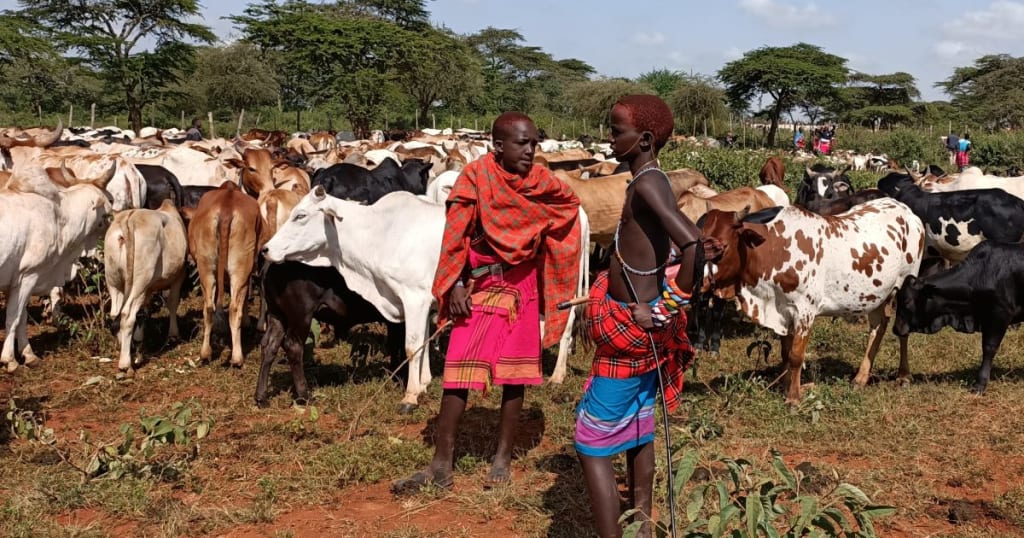
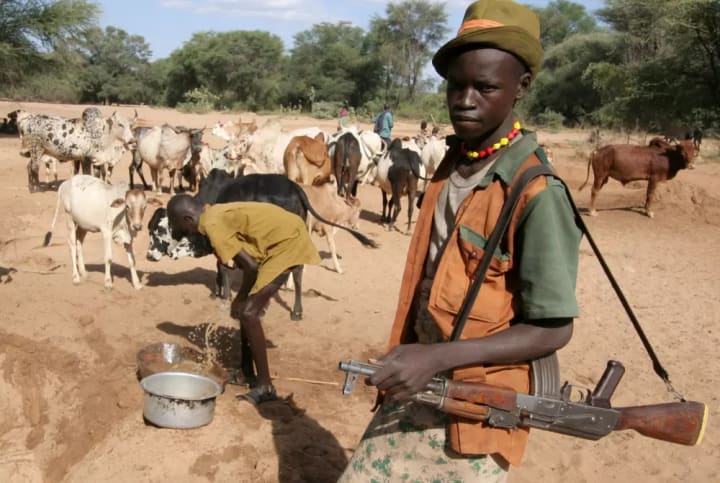
In the golden embrace of the Kenyan savannah, where the winds whispered secrets and the grasses danced to their own rhythm, a young Maasai warrior named Kip stood atop a hill. His eyes gleamed with an unwavering determination as he surveyed the sprawling plains, yearning for a future where peace would reign and the tribes would stand united.
Little did Kip know that his destiny would soon intertwine with a diverse group of individuals, each carrying their own dreams and stories that would shape their journey towards a better tomorrow.
One fateful day, as Kip ventured on his path, he encountered Asha, a spirited Samburu warrior princess with eyes that sparkled like the stars. Asha's fierce intellect and remarkable skill with the spear captivated Kip, and together they shared their visions of a harmonious world, breaking free from the confines of tradition and forging a new path.
Their paths soon crossed with Juma, a young Pokot herder with a gentle soul and a heart longing for peace. Juma's loyalty to his tribe clashed with his desire for unity, and he found solace and strength in the newfound alliance. Kip, Asha, and Juma formed an unbreakable bond, each sharing their dreams and fears as they embarked on a journey that would test their resilience and determination.
As they traveled across the untamed landscapes, they encountered Nia, a wise elder from the Maasai tribe whose eyes held the wisdom of generations. Nia, with her gentle yet commanding presence, became their guiding light, teaching them the importance of preserving ancient traditions while embracing the winds of change. Her stories of bravery and resilience ignited their spirits, propelling them forward even when the path seemed treacherous.
Amara, a spirited young girl of mixed Maasai-Pokot heritage, crossed paths with the group, her laughter filling the air like a song of hope. Amara possessed a gift for storytelling, weaving tales that transcended boundaries and kindled a collective memory of unity among the tribes. Her youthful spirit and unwavering belief in the power of stories infused the group with renewed determination and sparked a flicker of hope in the hearts of those they encountered.
And then, there was Baraka, a charismatic trader who roamed the savannah, bearing the weight of countless stories of pain and strife caused by cattle rustling. Baraka's dream was to create a network of fair trade and economic cooperation among the tribes, where the exchange of goods and ideas would pave the way for prosperity and stability. His negotiations and shrewd understanding of the tribes' needs and desires became a cornerstone of their mission.
As Kip, Asha, Juma, Nia, Amara, and Baraka traversed the unforgiving landscape, they faced formidable challenges and encountered rival raiding parties determined to keep the tribes divided. But with each obstacle, their unity grew stronger, their bond unbreakable.
Through their collective efforts, they facilitated dialogues, organized cultural exchanges, and implemented fair trade practices, igniting a fire of transformation that spread across the savannah. The tribes slowly shed the shackles of animosity, recognizing the beauty in their differences and the strength that lay in their shared heritage.
Their tireless dedication bore fruit as the Maasai, Pokot, and Samburu tribes formed a council of peace. Decisions were made collectively, disputes were resolved with empathy and understanding, and the value of every life was held sacred. The council became a beacon of hope, radiating its light far and wide, inspiring neighboring tribes to follow suit.
Kip, Asha, Juma, Nia, Amara, and Baraka became legends in their own right, their stories woven into the tapestry of the savannah's history. They were revered as the catalysts of change, symbols of hope and resilience that would be celebrated for generations to come.
As the years passed, the savannah blossomed with newfound harmony. A symphony of cattle bells, laughter, and shared traditions echoed through the grasslands, carrying the legacy of peace that Kip and his companions had fought so tirelessly to achieve.
And so, under the watchful gaze of the Kenyan sun, the tribes of the savannah danced together, celebrating their shared heritage, cherishing their differences, and embracing the dawn of a new era—an era where unity triumphed over division, and the dreams of a young warrior named Kip had come to fruition.
About the Creator
Keep reading
More stories from Margaret Muthoni and writers in Fiction and other communities.
Shadows of Mogadishu
In the sun-baked streets of Mogadishu, Somalia, a clandestine world of high-stakes crime thrives amidst the chaos. Amidst this backdrop, a small group of skilled individuals comes together for an audacious plan - a mini-heist that could change their lives forever. Led by the enigmatic and resourceful Ali "Raven" Hassan, a former intelligence operative turned master thief, they set their sights on an elusive target.
By Margaret Muthoni3 years ago in Fiction
Tuesday
Stepping out of your townhome you’re hit by the cold first. You were expecting it. Laid out your heaviest coat the night before. But the way that first breath crystalizes in your lungs feels like a kick to the chest no matter how prepared you were. You pull your coat tighter and try not to slip on the thin skin of ice that glazed your street overnight.
By Sandor Szabo6 days ago in Fiction


Comments
There are no comments for this story
Be the first to respond and start the conversation.