
Numb
Humans have become as numb as the decaying zombies which now roam our world.
I carefully warm my hands by the small fire. The intense heat sears into the countless cuts on my hands, but I am numb to the pain. It’s been ten years since the world as we know it, or perhaps knew it, has ended. This new world is all about survival, and to survive you must learn how to become numb, both physically and emotionally. Humans have become as numb as the decaying zombies which now roam our world.
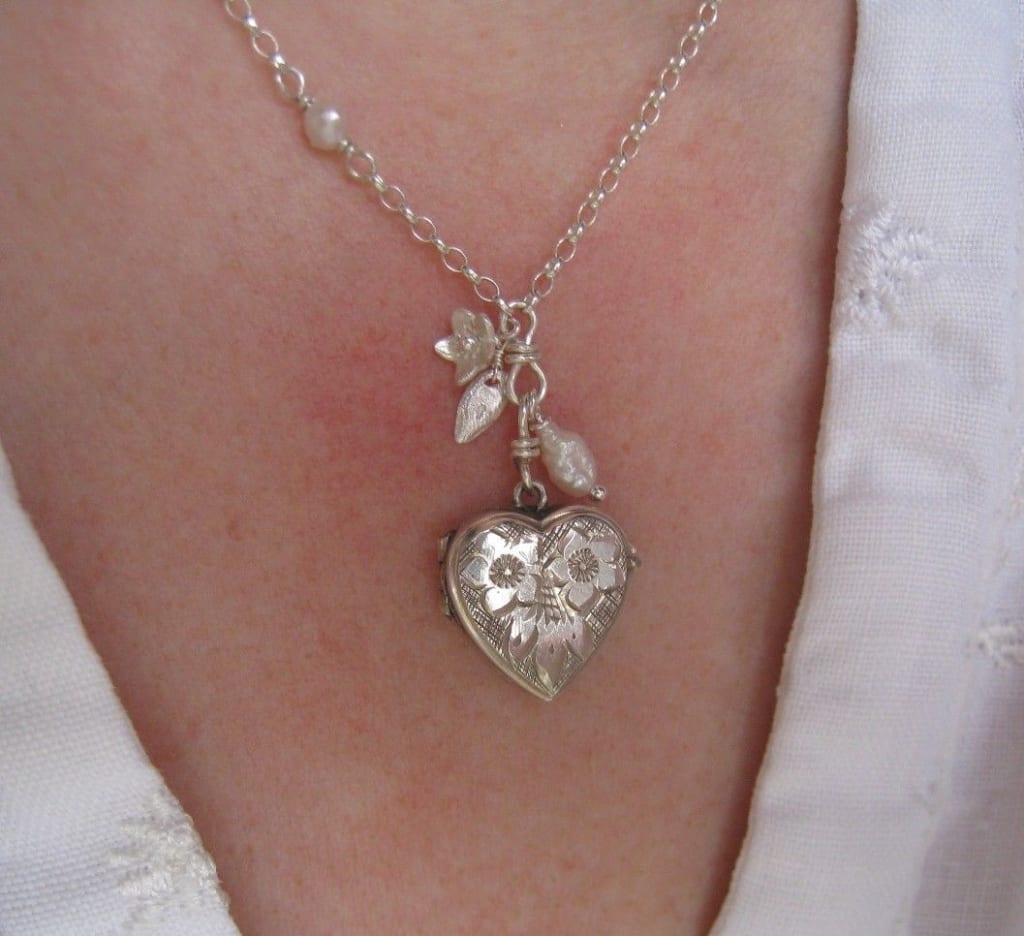
In the beginning, things were different. When the virus first started spreading, humans came together. We built communities, protected each other, and cared for others. Although the world around us had drastically changed, our humanity had not. For years, my mother and I lived within one of these communities. Despite the zombies populating outside our walls, life was normal. Well, as normal as it could be. During the daytime, I would attend lectures in our community’s makeshift classroom. Instead of learning about Shakespear or the structure of plant cells, these classes taught us how to collect water from vegetation and the weak points on a zombie’s body. I should have focused more in class, but my focus was on Miles. Miles and I had both arrived at our community during the first fall after the outbreak. While I had lost my father, Miles had lost his entire family. The Gatherers found him hiding in an abandoned barn, and, even after living in our community for a year, Miles struggled to recover from his period of isolation. As we had arrived at our community at the same time, I felt an urge to create a bond with him. One day, after our daily lectures, I invited Miles to have dinner with my mother and I. That first dinner together, Miles did not speak. However, before he walked out the door to head back to his home, he turned around with a gentle smile on his freckled face and whispered a tiny, “thank you.” While it was barely audible, its effect was significant. Knowing this small act brought brightness to his typically somber existence, inspired me to keep trying to connect with him; I began inviting Miles to dinner every night. In the beginning, he didn’t speak much, but he always left our house with a little smile on his face and a quiet, “thank you”. Eventually, after many silent dinners, Miles began to open up. He started sharing stories about his life before, describing the overwhelming fear he experienced during his nights alone, and expressing his gratefulness for our company. While it was a strain on our resources to have Miles over for dinner every night, I think my mother was just as grateful to have his company; he filled the seat my father would have sat in. Although my father was no longer with us, it felt as though our family was complete. One evening after dinner, as we sat on the patio fanning ourselves and gazing upwards towards the star-speckled sky, Miles removed a delicate heart-shaped locket from his pocket. For a few moments, his olive eyes fixated on the silver chain resting in the palm of his hand. Then, he slowly turned towards my mother, whispered a short message, and presented the locket to her. I couldn’t hear the words Miles whispered to my mother, but, from the look on her face, I could tell this meant a lot to her. Since the day Miles presented the locket to her she has not taken it off; it has become a permanent fixture dangling from her neck. As the zombies slowly began to outnumber humans, resources became even scarcer and people became desperate. The collapse of our communities began with petty thefts: missing food and medicine. We dismissed these occurrences, as petty theft was significantly less of a threat than the zombies which had begun ramming their rotten bodies into the galvanized walls surrounding our communities. However, when weapons started missing and lifeless bodies were being discovered within our galvanized walls, we could no longer dismiss the signs that our communities were collapsing. Families began abandoning our communities in droves. Each morning my mother and I would learn that more and more of our neighbours had fled during the night. Then, one night, we decided to flee ourselves. I begged and cried endlessly that we should take Miles with us, but as he was not officially part of our family and he resided with his assigned family, the Miller’s, my mother refused. Although she appeared indifferent to Miles’ absence for the duration of our escape, that evening, after we had found shelter and settled in for the night, I could hear her muffled cries.
Briefly removing my hands from above the fire, I glance over to my mother. She is cowering in the corner of our shelter, the chain of her silver locket glistens from the fire’s light. As her condition worsens, she has been steadily developing more irrational behaviours and fears: unprovoked hysterical laughing, continuous incomprehensible murmuring, and, most recently, a fear of fire. I cannot blame her for these irrational behaviours and fears. Any person whose brain was rapidly decaying would begin to lose control of their thoughts and actions. My eyes travel downwards to the gaping wound on her forearm. The hunter-green infection has spread from the wound upwards to the base of her neck, gradually replacing the red blood which flows through her veins. If it were any other type of wound I would try to heal it with a herbal salve, but as it is a zombie bite there is no point in trying. Within a few days, her warm eyes will be transformed into soulless black sockets and her soft honey locks will become grey wiry strands. Since there is not much time left before the infection entirely consumes her, I treasure our remaining moments. While these moments are becoming increasingly filled with senseless babbling and frenzied outbursts, there are still brief occasions where she is herself. During these occasions, we reminisce about the past; our lives before the outbreak when my father was still alive, our shabby red brick house within our community, and the evenings we shared with Miles. Reminiscing about my father and our community house brings closure, as the end result of these items is known. However, discussing our evenings with Miles causes a multitude of questions that we will never know the answers to overwhelm us: What happened to our community after we left?; How did Miles feel when he discovered we had fled?; Did he leave our community with the Millers?; and, most importantly, is Miles still alive? My mother snarls in the corner, and I decide it is time to prepare for bed. I drown the fire with some water, kiss my snarling mother on the forehead, and lay down to rest. At the start of the outbreak, I would struggle to fall asleep. Traumatic images of dead bodies, the harrowing faces of the zombies, and my endless worries about the unknown would keep me awake at night. However, now, as I am numb, I fall asleep within minutes.
I awake to the sound of silence. Typically, this would be a comforting sound, but, as my mother is transitioning into a monster, silence is the opposite of what I want to hear. I want to hear her croaky snarls, so I know she is still here. I use the word “here” loosely; her body is still here, but her mind is slipping away. Quickly rising from my makeshift mattress, I search the room for my mother, but it is empty. The rotting wooden door of our shelter is slightly ajar, and there is a smear of hunter-green fluid on the frame. She could not have gotten far; the fluid on the door is fresh and her decaying muscles would have slowed her down. I hastily pack my backpack, and rush out the door. Looking around, I notice green smears on the barks of trees heading north. As I follow the smears, I wonder, “Why did she leave? There were still a few more days before she fully turned. There was sufficient food and water in our shelter. I don’t understand…”. Before I can finish my thoughts, a gun fires nearby. The deafening sound startles the birds perched in the trees, and they quickly fly away. Sprinting towards the source of the gunshot, I am afraid about what lies ahead. I push through a thick shroud of bushes, the gnarled thorns slicing through my hardened skin, and I enter into a small clearing. In the centre of the clearing, a dark, curly-haired head hangs over a limp body resting in its arms. From the lifeless body’s slender neck, a silver necklace dangles. Its heart-shaped locket has been opened, and the frozen eyes of my younger self and of a freckle-faced Miles stare up towards me. The dark-haired figure quietly mutters to himself, “I’ve killed her. I didn’t realize it was her until…” he cradles the open locket in his hand, “... but it was too late.” He starts to break down into tears, I cautiously approach him, laying a comforting hand on his shoulder. He instinctively turns around and grabs my wrist, but as his olive eyes connect with mine, the harsh grip on my wrist transforms into a soft embrace. As Miles sobs, I bury my face in his coarse hair. I breathe in his light, familiar scent, and my numbness slowly dissipates with each breath. Gradually, my suppressed emotions are released, and I begin to sob as well. Although the majority of my tears are fueled by sorrow from the loss of my mother, some are fueled by joy. My mother is not here anymore, but, truthfully, she has not been here since she was bitten. Now that I have found Miles, I am no longer alone. Perhaps, this is the reason she escaped ... to help us find each other.
About the Creator
Silvia Spinn
Relatively new to writing, but I've always wanted to share my stories.
Keep reading
More stories from Silvia Spinn and writers in Fiction and other communities.
What it is really like being twenty-two.
When I think about being twenty-two, I am overwhelmed with a sense of feeling lost. I've graduated from university with honors, I'm in a stable long-term relationship, and I've secured a full-time position. And, while I'm content with each of these aspects of my life, overall, there is that lingering feeling of being lost.
By Silvia Spinn5 years ago in Humans



Comments
There are no comments for this story
Be the first to respond and start the conversation.