
Mastering Sleep: Strategies to Fall Asleep Faster and Sleep Better
Proven Techniques and Tips to Help You Drift Off Quickly and Improve Sleep Quality

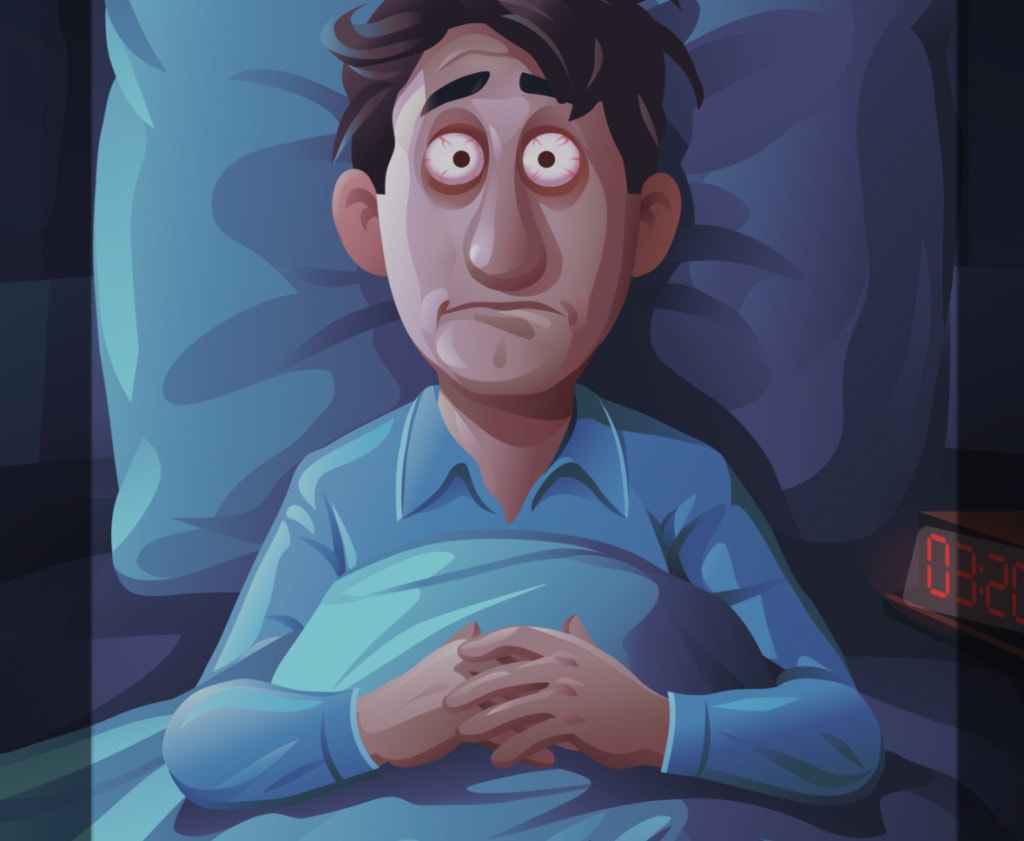
If you’re anything like me, your nights often follow a familiar and frustrating pattern. After a long, exhausting day, you go through your bedtime routine brushing your teeth, putting on your Zelda-themed pajamas, snuggling into bed, and turning off the lights—only to find yourself wide awake. Just moments ago, you felt like you couldn’t make it to bed fast enough, and now, despite being tired, sleep seems impossible.
You might try squeezing your eyes shut or shifting to a more comfortable position, hoping that will do the trick. But nothing works. As the minutes tick by, you’re painfully aware of each second of sleep you’re losing, knowing tomorrow will be that much harder because of it. The irony of it all is that you could easily fall asleep at work or school, but here in the quiet of the night, your mind is racing with your deepest, darkest thoughts, and that relentless clock reminds you that hours have already passed without sleep.
If this scenario sounds all too familiar, then this is for you. We’ve compiled some of the best tips and strategies to help you fall asleep in minutes. We’ll start with things you can do before getting into bed and even share a technique used by the U.S. Navy to fall asleep in just two minutes, even when you find yourself lying wide awake.
Seven Tips to Help You Fall Asleep Faster
1. Sleep in a Cooler Environment: Your sleep environment, particularly the temperature around your head and body, plays a crucial role in how quickly you fall asleep and the quality of your sleep. If you’re too warm—whether from heavy blankets, pajamas, or a hot room—your sleep will likely be disrupted. Interestingly, your body needs to drop 2-3°F (about 1.5°C) to initiate sleep. The ideal room temperature is around 65°F (18.3°C). While being too cold isn’t great, it’s less likely to interfere with your sleep than being too hot.
2. Take a Hot Shower or Bath Before Bed: While it might seem counterintuitive, taking a hot shower or bath can actually help you sleep. The heat causes your body to send blood to the surface of your skin, making you feel flushed. When you step out of the warmth, your body temperature drops rapidly, signaling to your brain that it’s time to sleep.
3. Put Away the Clock: Staring at the clock and tracking how long you haven’t slept only adds to your stress and makes it harder to fall asleep. Time monitoring is strongly linked to stress and waking arousal, so it’s best to keep the clock out of sight.
4. Avoid Caffeine, Nicotine, and Heavy Meals Before Bed: Caffeine and nicotine are stimulants that can take hours to wear off, so it’s best to avoid them late in the day. Eating too close to bedtime can also disrupt your sleep. It’s better to avoid being too full or too hungry before bed.
5. Exercise Early in the Day: Physical activity can help you fall asleep faster, but working out too close to bedtime can have the opposite effect. Try to exercise earlier in the day, and avoid naps after 3 p.m. to ensure you’re ready for sleep at night.
6. Relax Before Bed: If your mind is still racing when you try to sleep, it will be difficult to drift off. Engage in a relaxing activity, like reading, during the hour before bed to help your brain wind down.
7. Get Sunlight During the Day and Avoid Bright Lights at Night: Exposure to natural sunlight during the day helps regulate your body’s internal clock, making you feel sleepy at the right time. On the flip side, avoid screens and bright lights in the evening to signal to your brain that it’s time to wind down.
A Navy Technique to Fall Asleep in Two Minutes
Now, even if you’ve followed all these steps, you might still find yourself lying awake in bed, scrolling through videos on how to fall asleep faster. If that’s the case, there’s a technique allegedly used by the U.S. Navy to help fighter pilots fall asleep in just two minutes, even while sitting up.
Here’s how it works:
1. Systematically Relax Your Body: Start by taking a deep breath and closing your eyes. Focus on relaxing each part of your body, starting with your face. Tighten and then relax your face muscles, feeling your cheeks, tongue, mouth, and jaw relax as you breathe out. Imagine your eyes sinking into their sockets.
2. Move Down Your Body: Continue to relax each muscle group, from your shoulders to your arms, chest, legs, and finally your feet. Tighten and then relax each muscle, all while breathing deeply and focusing on the sensation of relaxation.
3. Clear Your Mind: Once your body is fully relaxed, shift your focus to clearing your mind. Avoid dwelling on any thoughts or images that pop up. If you can’t quiet your mind, try repeating the phrase “don’t think” over and over for 10 seconds. Visualization can also help—imagine yourself in a calming place, like a hammock swaying gently in the breeze.
This technique might sound simple, but with consistent practice, it can help you fall asleep quickly. It’s worth noting that it may take some time to perfect, but with dedication, many people find it effective.
The Most Important Sleep Tip: Consistency
Finally, the single most important tip for falling asleep quickly is to maintain a consistent sleep schedule. Go to bed and wake up at the same time every day, even on weekends. While it might be tough, sticking to a routine will help your body get into a rhythm, making it easier to fall asleep and wake up naturally.
If after all this, you still can’t fall asleep, don’t just lie in bed. Studies show that staying awake in bed can cause anxiety, making it even harder to sleep. Instead, get up and do a relaxing or boring activity until you feel tired.
About the Creator
cathynli namuli
Join me on this journey to becoming the best version of ourselves, one video at a time!
Keep reading
More stories from cathynli namuli and writers in Fiction and other communities.
The Vital Need for Sleep: Understanding Its Impact on Our Health
In 1965, a 17-year-old high school student named Randy Gardner set out to discover how long he could stay awake. Over 11 days 264 hours he remained awake, pushing the boundaries of his body and mind. By the second day, his vision started to blur. By day three, he lost the ability to identify objects just by touching them. As the days went on, Randy became moody, uncoordinated, and struggled to concentrate. Near the end of the experiment, he experienced short-term memory loss, paranoia, and even hallucinations. Although Randy eventually recovered without lasting psychological or physical damage, the effects of severe sleep deprivation can be much more dangerous, leading to hormonal imbalances, illness, and in extreme cases, even death.
By cathynli namuliabout a year ago in Fiction



Comments
There are no comments for this story
Be the first to respond and start the conversation.