
Lack of Psychological Safety in the Workplace
Be You and Love Yourself
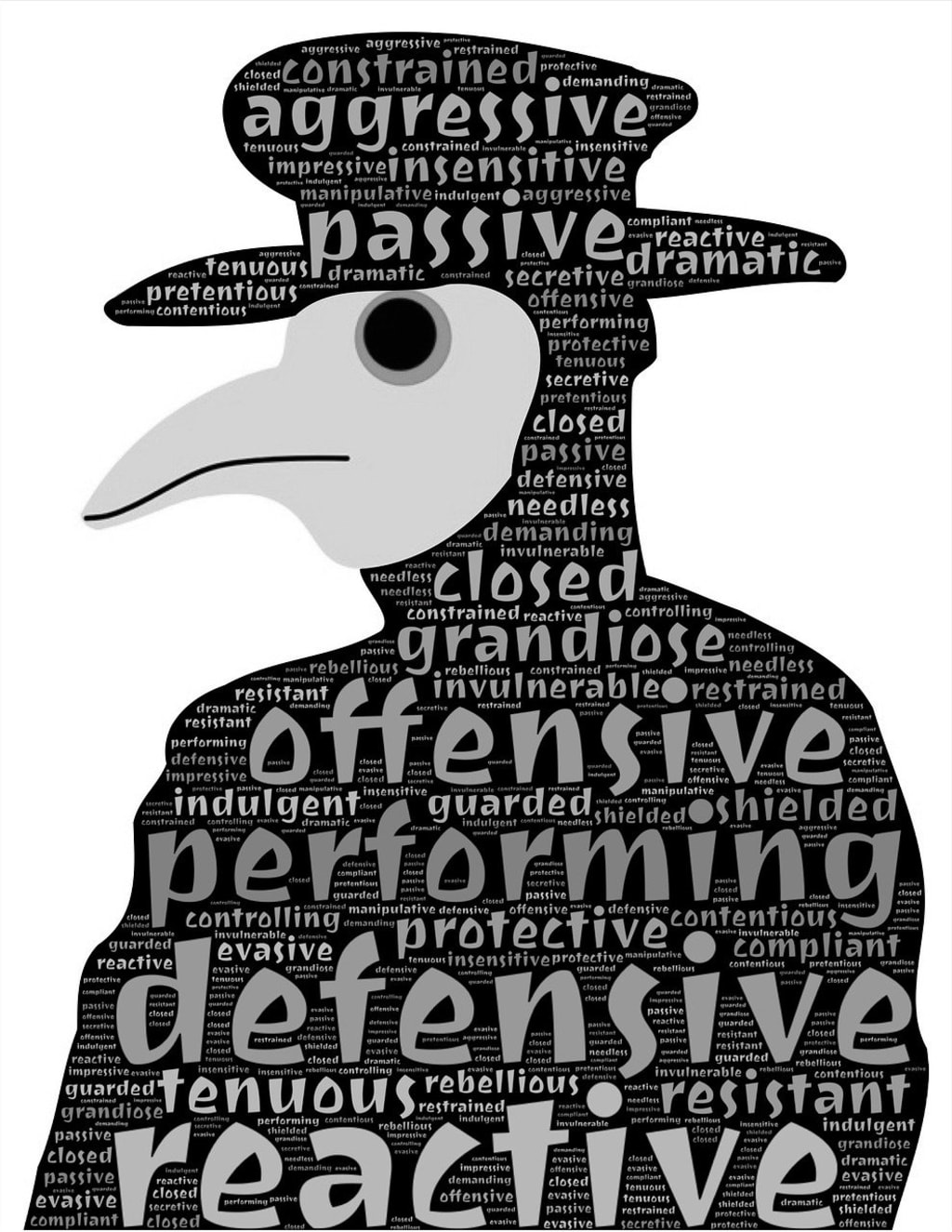

Lack of Psychological Safety in the Workplace
In today's fast-paced and competitive work environments, ensuring the well-being and productivity of employees is paramount. One critical aspect that often goes unnoticed is the presence of psychological safety in the workplace. Psychological safety refers to the belief that one can express their thoughts, ideas, and concerns without fear of negative consequences or judgment. When employees feel psychologically safe, they are more likely to contribute effectively, share innovative ideas, and collaborate openly with their colleagues. However, the lack of psychological safety can lead to detrimental effects on individuals and organizations as a whole.
Table of Contents
- Introduction
- Understanding Psychological Safety
- Signs of a Lack of Psychological Safety
- Impact of a Lack of Psychological Safety
- Strategies to Promote Psychological Safety
- Importance of Leadership in Creating Psychological Safety
- Training Programs for Psychological Safety
- The Role of Communication in Fostering Psychological Safety
- Benefits of Psychological Safety in the Workplace
- Case Studies: Organizations Promoting Psychological Safety
- Overcoming Challenges in Establishing Psychological Safety
- Measuring Psychological Safety
- Promoting Diversity and Inclusion for Psychological Safety
- Creating a Culture of Psychological Safety
- Conclusion
1. Introduction
In the modern workplace, organizations strive to achieve high performance, innovation, and collaboration among their employees. However, a lack of psychological safety can hinder these goals. This article explores the concept of psychological safety and its implications in the workplace, highlighting the importance of creating an environment where individuals feel safe to share their thoughts and ideas without fear of negative consequences.
2. Understanding Psychological Safety
Psychological safety is a critical component of a healthy work environment. It is the belief that one will not be punished or humiliated for speaking up, taking risks, or expressing their opinions. In a psychologically safe workplace, employees feel comfortable sharing their ideas, asking questions, and admitting mistakes. This fosters trust, open communication, and a sense of belonging.
3. Signs of a Lack of Psychological Safety
Recognizing the signs of a lack of psychological safety is crucial for addressing the issue. Some common indicators include:
Fear of speaking up or sharing ideas
Lack of constructive feedback or criticism
Avoidance of taking risks or proposing new initiatives
High employee turnover rates
Increased conflicts and tension among team members
Lack of collaboration and innovation
4. Impact of a Lack of Psychological Safety
When psychological safety is absent in the workplace, the consequences can be far-reaching. Employees may become disengaged, leading to decreased productivity, creativity, and motivation. Fear of judgment or retribution may hinder the sharing of important information and ideas, ultimately stifling innovation and growth. Furthermore, a lack of psychological safety can result in increased stress levels, anxiety, and even mental health issues among employees.
5. Strategies to Promote Psychological Safety
Creating a psychologically safe work environment requires a proactive approach. Here are some strategies organizations can implement:
* Foster a Culture of Trust and Respect
Establishing a culture that values trust and respect is fundamental. Leaders should set an example by encouraging open dialogue, active listening, and valuing diverse perspectives. It is essential to create an environment where individuals feel comfortable expressing themselves without fear of judgment or retaliation.
*Encourage Open Communication
Promote open communication channels where employees can freely share their thoughts, ideas, and concerns. Regular team meetings, feedback sessions, and brainstorming activities can help facilitate open dialogue and create an inclusive environment.
*Provide Training and Development
Investing in training programs that focus on emotional intelligence, empathy, and effective communication can significantly contribute to building psychological safety. These programs can equip employees with the necessary skills to understand and support one another, fostering a culture of trust and collaboration.
* Establish Clear Policies and Procedures
Clear policies and procedures should be in place to address any concerns related to psychological safety. Employees should be aware of the reporting mechanisms available to them, ensuring that their concerns are heard and appropriately addressed.
6. Importance of Leadership in Creating Psychological Safety
Leaders play a crucial role in cultivating psychological safety within their teams. By demonstrating vulnerability, providing support, and encouraging open dialogue, leaders can create an environment where employees feel safe to voice their opinions and take calculated risks.
7. Training Programs for Psychological Safety
Organizations can benefit from implementing training programs specifically designed to enhance psychological safety. These programs can help employees understand the importance of psychological safety, improve their communication skills, and develop empathy towards their colleagues.
8. The Role of Communication in Fostering Psychological Safety
Effective communication is essential for fostering psychological safety. Organizations should emphasize active listening, clarity in communication, and open feedback loops. Creating opportunities for honest and constructive conversations can help build trust and promote a psychologically safe work environment.
9. Benefits of Psychological Safety in the Workplace
A psychologically safe workplace offers numerous benefits. It encourages innovation, promotes collaboration, and enhances team performance. Employees feel empowered to contribute their ideas, which leads to increased creativity and problem-solving capabilities. Moreover, psychological safety improves employee well-being, satisfaction, and retention rates.
10. Case Studies: Organizations Promoting Psychological Safety
Several organizations have successfully implemented initiatives to promote psychological safety. Case studies highlighting their experiences can provide valuable insights and inspiration for other organizations seeking to create a psychologically safe work environment.
11. Overcoming Challenges in Establishing Psychological Safety
Establishing psychological safety may face challenges, such as resistance to change or deeply ingrained cultural norms. Organizations should identify and address these obstacles through effective communication, training, and leadership support to ensure the successful implementation of psychological safety initiatives.
12. Measuring Psychological Safety
Measuring psychological safety is essential to assess the effectiveness of initiatives and identify areas for improvement. Surveys, feedback mechanisms, and regular assessments can help organizations gauge the level of psychological safety within their teams.
13. Promoting Diversity and Inclusion for Psychological Safety
Embracing diversity and fostering inclusion are crucial components of psychological safety. Organizations should actively promote diversity in hiring practices, create inclusive policies, and provide resources to support diverse perspectives. Celebrating differences can contribute to a more psychologically safe and enriching work environment.
14. Creating a Culture of Psychological Safety
Promoting psychological safety should be an ongoing effort embedded within an organization's culture. It requires commitment, consistency, and continuous reinforcement of the values that underpin psychological safety. By creating a culture that prioritizes openness, respect, and trust, organizations can foster an environment where employees thrive.
15. Conclusion
Psychological safety is a vital aspect of a healthy and productive work environment. Organizations that prioritize and promote psychological safety benefit from improved employee well-being, increased innovation, and enhanced collaboration. By fostering a culture that values openness, respect, and trust, organizations can create a psychologically safe workplace where employees can thrive and reach their full potential.
FAQs
What is psychological safety in the workplace?
Psychological safety in the workplace refers to an environment where employees feel safe to express their thoughts, ideas, and concerns without fear of negative consequences or judgment.
How does a lack of psychological safety affect employees?
A lack of psychological safety can lead to decreased productivity, disengagement, increased stress levels, and hindered collaboration and innovation among employees.
What can organizations do to promote psychological safety?
Organizations can promote psychological safety by fostering a culture of trust and respect, encouraging open communication, providing training programs, and establishing clear policies and procedures.
What is the role of leadership in creating psychological safety?
Leaders play a crucial role in creating psychological safety by demonstrating vulnerability, providing support, and encouraging open dialogue within their teams.
How can organizations measure psychological safety?
Organizations can measure psychological safety through surveys, feedback mechanisms, and regular assessments to gauge the level of psychological safety within their teams.
About the Creator
Abdul
I believe that i am a talented and versatile content writer with a passion for crafting engaging and informative articles. With more than 4 years of experience , i have tried creating compelling written content across various niches.
The Duelist
The rays of a dying red sun flashed against the onrushing blade. The grey beards say the key to dueling lies in size, speed, reach, righteous fury, whatever the person in front of them pays them to say. Matteo knew better than any it was none of these and had an undefeated record on these sands to prove it.
By Matthew J. Fromm6 days ago in Fiction
The war between Alpha-A and Robot-I 🤖
The slightly mechanical voices caught my attention as I sat on the comfy barstool sipping my Mai Tai Tiki Cocktail. One had to lean in really close to hear the lilts and nuances of the speech in order to realize that the words were wholly humanoid in inflection.
By Novel Allen7 days ago in Fiction
A Letter to the Firestarter
Dear Firestarter, We can all see you, we've been watching you since you began. In case you didn't know we were here before you and we will be here after. We witnessed your rise, your setbacks, your guilt and your lies. We witnessed you start the fire.
By Donny Foleya day ago in Poets



Comments
There are no comments for this story
Be the first to respond and start the conversation.