
Is bitter gourd a natural blood purifier? Discovering its powerful effects
Key Nutrients in Bitter Gourd That Help Cleanse and Strengthen the Blood

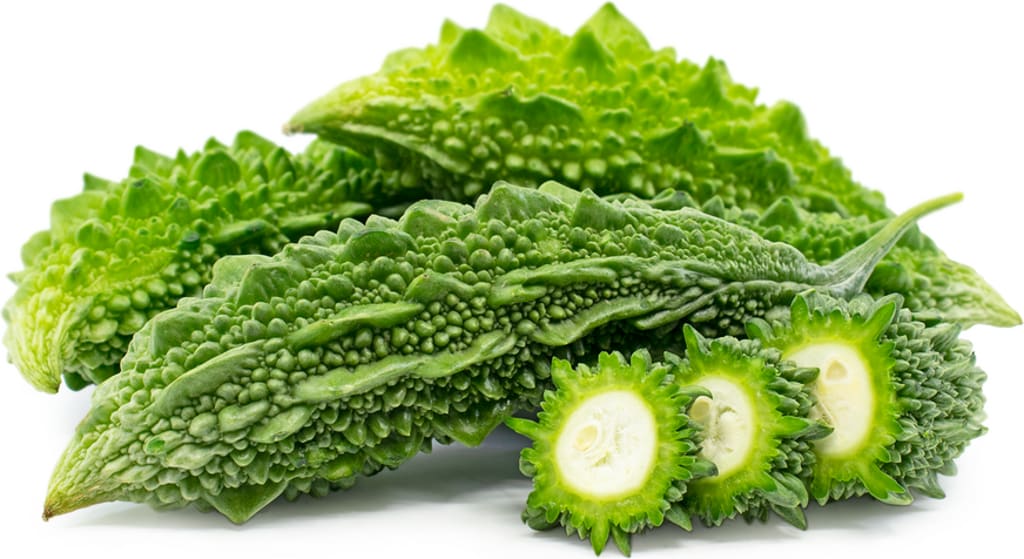
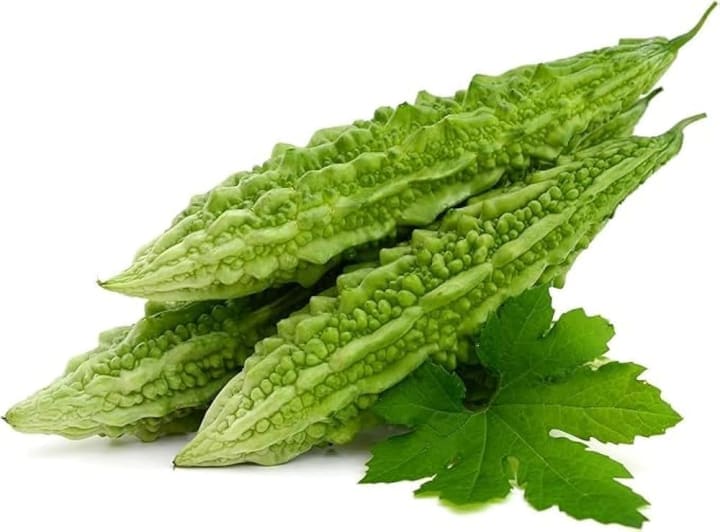
Bitter gourd, also known as bitter melon or Momordica charantia, has been valued for centuries in traditional food cultures and natural
health systems. Its sharp, bitter taste may not appeal to everyone, but behind that bitterness lies an impressive nutritional profile. Many
people associate bitter gourd with “blood cleansing” and overall vitality. While modern science prefers terms like detoxification
support, improved circulation, and metabolic balance, the idea
remains the same: bitter gourd provides nutrients that help the body
maintain healthy blood and strong internal systems.
Below is a detailed look at the key nutrients in bitter gourd and how
they support blood health and overall strength.
1. Iron: Supporting Healthy Hemoglobin

Iron is one of the most important minerals for blood health, and
bitter gourd contains a modest but useful amount of it. Iron is
essential for the production of hemoglobin, the protein in red blood cells that carries oxygen throughout the body. Adequate iron intake helps prevent fatigue, weakness, and poor concentration associated
with low hemoglobin levels.
When bitter gourd is included regularly in a balanced diet, it can contribute to daily iron needs, especially for people who rely more on
plant-based foods. Although plant iron is less easily absorbed than animal-based iron, bitter gourd’s vitamin C content helps improve
iron absorption, making it more effective.
2. Vitamin C: Natural Blood Cleanser and Protector
Vitamin C is one of the standout nutrients in bitter gourd. It plays a vital role in protecting blood vessels and supporting the immune
system. As a powerful antioxidant, vitamin C helps neutralize free
radicals that can damage blood cells and vessel walls.
This vitamin also supports collagen production, which keeps blood vessels flexible and strong. Healthier vessels mean smoother blood
flow and reduced strain on the heart. Additionally, vitamin C
enhances iron absorption, making the iron present in bitter gourd
more beneficial for blood strength.
3. Antioxidants: Fighting Toxins and Oxidative Stress
Bitter gourd is rich in antioxidants such as flavonoids, phenols, and catechins. These compounds help protect the blood from oxidative stress, which occurs when harmful molecules damage cells faster
than the body can repair them.
Oxidative stress can affect red blood cells, weaken immunity, and contribute to inflammation. The antioxidants in bitter gourd help the
liver and kidneys perform their natural detoxification roles more efficiently, indirectly supporting the idea of “blood cleansing” by
reducing toxin buildup in the bloodstream.
4. Dietary Fiber: Supporting Blood Sugar and Cholesterol Balance
Fiber may not be a blood nutrient in the traditional sense, but it plays a crucial role in maintaining healthy blood composition. Bitter gourd
is a good source of dietary fiber, which helps regulate blood sugar levels by slowing the absorption of glucose into the bloodstream.
Stable blood sugar reduces stress on insulin production and lowers the risk of sugar spikes that can damage blood vessels over time. Fiber also helps reduce bad cholesterol (LDL), which improves blood
flow and decreases the risk of plaque buildup in arteries.
5. Potassium: Improving Circulation and Heart Health
Potassium is an essential mineral found in bitter gourd that supports
healthy blood circulation. It helps regulate blood pressure by
balancing sodium levels in the body. Proper potassium intake allows blood vessels to relax, improving circulation and reducing strain on
the cardiovascular system.
Good circulation ensures that oxygen and nutrients are efficiently delivered through the blood to organs and tissues. This contributes to
overall strength, energy, and endurance.
6. Folate (Vitamin B9): Supporting Red Blood Cell Formation
Folate is a key B-vitamin involved in the production of red blood cells.
Bitter gourd provides folate, which helps prevent certain types of
anemia and supports healthy cell division.
Adequate folate intake is especially important for pregnant women,
growing children, and individuals recovering from illness. By
supporting red blood cell formation, folate contributes directly to
stronger, healthier blood.

7. Charantin and Plant Compounds: Supporting Metabolic Balance
One of the unique compounds in bitter gourd is charantin, known for
its role in supporting healthy blood sugar levels. While it is most often discussed in relation to glucose metabolism, balanced blood
sugar also contributes to cleaner, healthier blood.
Charantin, along with other plant compounds like polypeptide-p, supports efficient use of glucose by cells, reducing excess sugar in the bloodstream. This helps protect blood vessels and organs from long-term damage.
8. Vitamin A and Beta-Carotene: Protecting Blood Cells
Bitter gourd contains beta-carotene, which the body converts into vitamin A. Vitamin A supports immune function and helps maintain healthy cell membranes, including those of red and white blood cells.
Healthy blood cells are more resilient, function efficiently, and
support the body’s defense system. This contributes to overall vitality
and resistance to illness.
Conclusion
Bitter gourd’s reputation as a blood-strengthening and cleansing vegetable is rooted in its rich nutritional profile. Iron, vitamin C,
antioxidants, fiber, potassium, folate, and unique plant compounds work together to support healthy blood production, circulation, and
protection from oxidative stress. While bitter gourd is not a magical cure, regular consumption as part of a balanced diet can contribute
significantly to stronger blood, better circulation, and improved
overall health.
Embracing bitter gourd may take some adjustment due to its taste, but its benefits make it a powerful addition to a health-conscious lifestyle.
About the Creator
Niaz Muhammad
Insha Allah, I will write in such a good way that people with weak eyesight or the elderly can easily read it.
Keep reading
More stories from Niaz Muhammad and writers in Fiction and other communities.
The Myth: Work Hard, Play Hard.
"All work and no play makes Jake a dull boy." When they first met, Sara, had enchanted Jake with her philosophy of work hard and play hard. When they started dating, both were full into studying to gain rank in their undergraduate courses. Work hard, play hard seemed the perfect formula for having the best of a full life. They would spend evenings at the library carrels and then party hardy at least once or twice a week.
By Katherine D. Grahamabout 22 hours ago in Fiction
Thief In The Night
To the thief in the night that took and replicated what once was mine: Honestly, I feel kind of bad for you. It’s funny, because we hardly know each other. I only know of you through the magazines you’ve written and the broadcasts you have televised in the past — as well as through the public mentions of you from your show business connections there.
By Snarky Lisa6 days ago in Humans




Comments
There are no comments for this story
Be the first to respond and start the conversation.