
Immortal Marvels: 10 Animals with Extraordinary Survival Abilities
Exploring the Resilience and Secrets of Nature's Remarkable Creatures

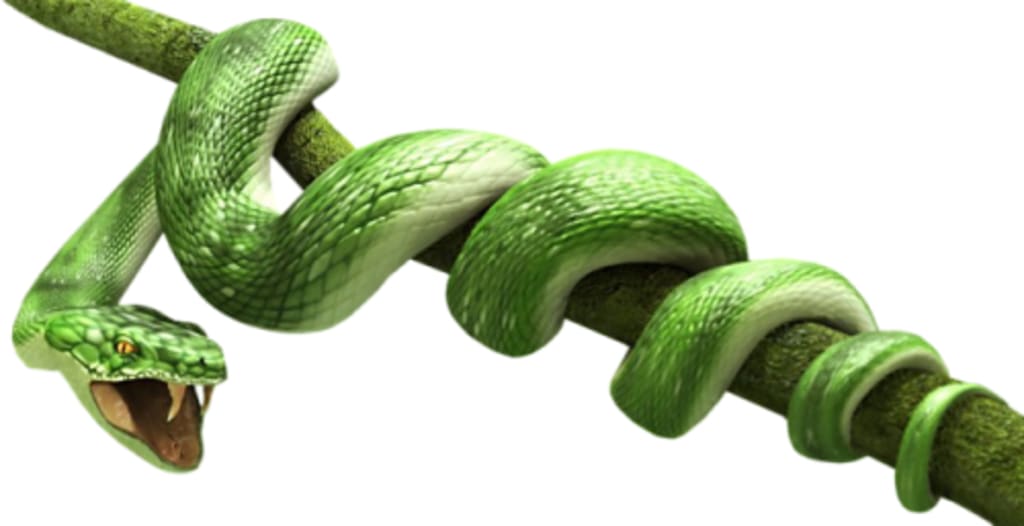
Throughout history, humans have been captivated by the idea of immortality, searching for the secret to eternal life. Surprisingly, some of our animal counterparts seem to possess remarkable survival abilities that border on the concept of living after death. In this article, we will explore 10 such animals, and the extraordinary feats that set them apart. From indestructible cockroaches to regenerating flatworms, the natural world continues to amaze with its resilience and adaptability.
- Cockroaches: Cockroaches are renowned for their tenacity and are often considered the ultimate survivors. Notably, they can live for up to two weeks without their heads. This unique ability stems from their open circulatory system, which minimizes bleeding and allows wounds to clot naturally. Unlike humans, cockroaches do not rely on their heads for basic physiological functions like breathing, as they possess spiracles, tiny holes in their bodies through which they can breathe.
- Bees: While not technically immortal, bees possess an intriguing ability even after death. A bee's stinger can continue to deliver venom even when detached from its body. The bee's venom delivery system, controlled by involuntary impulses, remains functional, making it important to handle dead bees with caution.
- Chickens: The expression "running around like a headless chicken" has some truth to it. Chickens can continue moving after decapitation due to a unique aspect of their central nervous system. Certain vital bodily functions are controlled by the brainstem, not the brain itself. Therefore, if the decapitation does not remove the entire forebrain and jugular, a chicken can survive for a short time and even perform basic activities.
- Octopuses: Octopuses possess intriguingly flexible and independent arms. Even after being detached from the main brain, their arms can react to stimuli for an extended period. This phenomenon is due to a significant number of nerve cells located in the arms, rather than solely in the brain, as seen in most other creatures.
- Salamanders: Salamanders have long been associated with the idea of regeneration and immortality. These fascinating creatures can regrow any part of their bodies that has been severed, and the regrown parts function as effectively as, if not better than, the original ones. A special protein in salamanders facilitates cell replication, a trait that has piqued the interest of researchers hoping to apply similar principles in human medicine.
- Frogs: Frogs display astonishing behavior even without a brain. Research in the past demonstrated that frogs with their brains removed could still perform essential functions through reflex reactions. Despite lacking conscious thought, they can respond to stimuli, move, and even croak.
- Flies: Flies can endure freezing temperatures and enter a state of suspended animation. Although not technically living after death, this ability allows them to "come back to life" when thawed. Interestingly, female flies can live for several days even after decapitation, and males will still attempt to court them.
- Turtles: Turtles have an incredible ability to survive without oxygen for extended periods. Their hearts possess pacemaker cells that take over when signals from the brainstem are absent. This extraordinary adaptation enables some turtle species to survive without oxygen for thousands of hours.
- Snakes: Contrary to popular belief, a snake's head can still deliver a deadly bite even after separation from its body. Their heat-sensitive pits can detect threats for hours after death, making them capable of defensive actions even in the absence of a brain.
- Flatworms: Flatworms, also known as planarians, are true masters of regeneration. They can regenerate any part of their body after amputation, resulting in two distinct worms from a single cut. This unique ability has intrigued scientists, and some believe that these flatworms could potentially live indefinitely if not affected by illness or infection.
About the Creator
Dino.Y
With a heart full of creativity and a mind brimming with ideas, I delves into the depths of imagination to craft compelling tales that transport readers to distant worlds and evoke a myriad of emotions. 🖊️✨
Top tipple tricks
Been thinking a lot about drinking, lately. Not least because of a recent episode of over-indulgence and the inevitable after effects. Some readers may recall the earlier articles I wrote about beating the booze. Here I set out an experiment in techniques for cutting down on my alcohol intake. The experiment was successful, the techniques worked, and I have armed myself with an arsenal of weapons in the war against the demon drink. I have yet to fire the first round however. It's all a question of timing (perhaps procrastination).
By Raymond G. Taylor5 days ago in Psyche




Comments
There are no comments for this story
Be the first to respond and start the conversation.