
If there is no stone in world what happens to us
Stones are composed of minerals, and together they form rocks, which make up the Earth's crust. Without stone, the planet’s structure would be fundamentally different. Mountains, which are essentially large formations of stone and rock, would not exist. This would drastically affect weather patterns, ecosystems, and biodiversity.

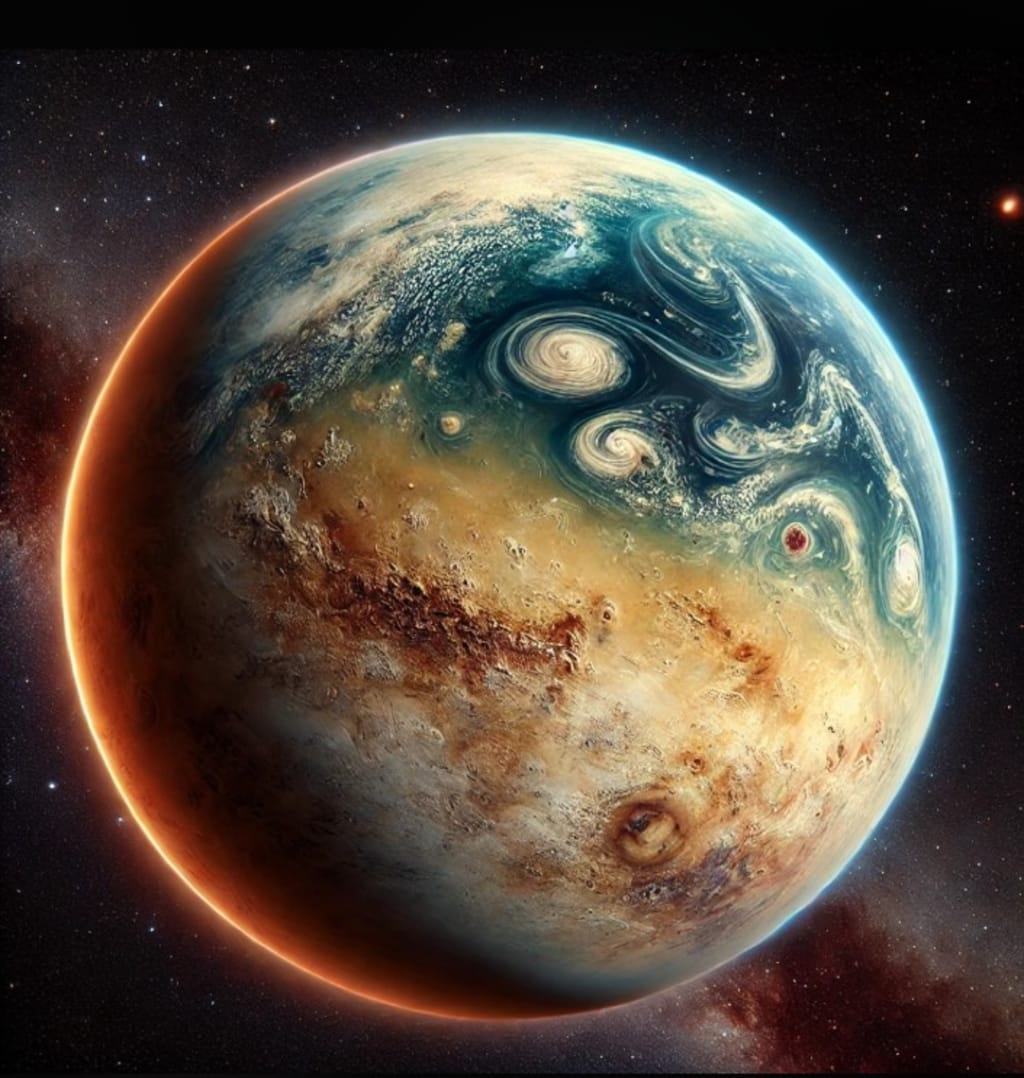
If there is no stone in the world, the impact on the environment, human civilization, and the planet's structure would be profound. Stones and rocks are foundational to many of Earth’s processes and human advancements. Their absence would trigger a chain reaction that would dramatically alter life as we know it. Here's a look at the potential consequences if stone did not exist in the world
Geology and Earth's Structure
Stones are composed of minerals, and together they form rocks, which make up the Earth's crust. Without stone, the planet’s structure would be fundamentally different. Mountains, which are essentially large formations of stone and rock, would not exist. This would drastically affect weather patterns, ecosystems, and biodiversity.

In terms of tectonic activity, rocks play a critical role in the movement of Earth's tectonic plates. Without stone, the Earth’s plates would be unstable, potentially leading to a planet without earthquakes or volcanic activity—yet this would come at a cost. Volcanoes, for instance, replenish minerals in the soil, creating fertile lands. Without them, agricultural productivity could drastically decrease over time.
Impact on Human Civilization
The absence of stone would significantly alter human history and progress. Stone tools were among the first instruments used by early humans, marking the Stone Age and sparking the beginning of civilization. Without stones, early humans might not have developed tools, delaying technological progress. The construction of buildings, monuments, and infrastructure would also be impacted. Iconic structures like the Egyptian pyramids, Roman architecture, and countless bridges and roads built from stone would not exist. This would lead to a vastly different historical landscape.
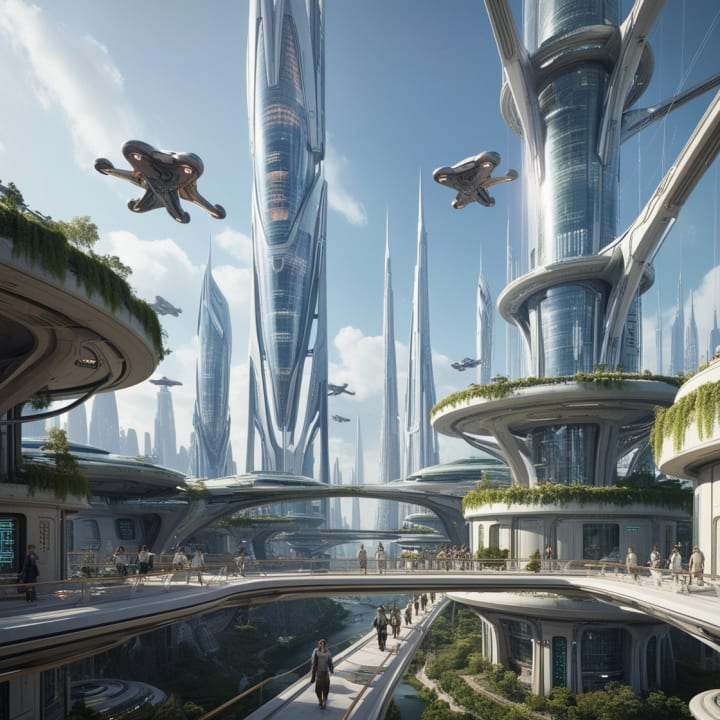
In modern times, concrete, which is made using crushed stone, is the foundation of infrastructure. Without stone, building materials like concrete, brick, and glass (which relies on sand, a form of finely crushed stone) wouldn’t be available. Cities and towns would look completely different, and we would rely more heavily on alternative materials such as wood or metals for construction. However, these materials may not offer the same durability or sustainability, leading to weaker structures.
Natural Ecosystems and Landscapes
Stone is a crucial element in many ecosystems. Coastal regions often rely on rocky cliffs and shores to protect against erosion and rising sea levels. Without stone, these areas would be more vulnerable to flooding and erosion, significantly reshaping coastlines around the world.
Stones also play an important role in creating habitats for many plants and animals. Certain plants thrive in rocky environments, while animals like reptiles, small mammals, and insects often rely on stones for shelter and protection. Without stone, these species could face extinction, leading to a loss of biodiversity.
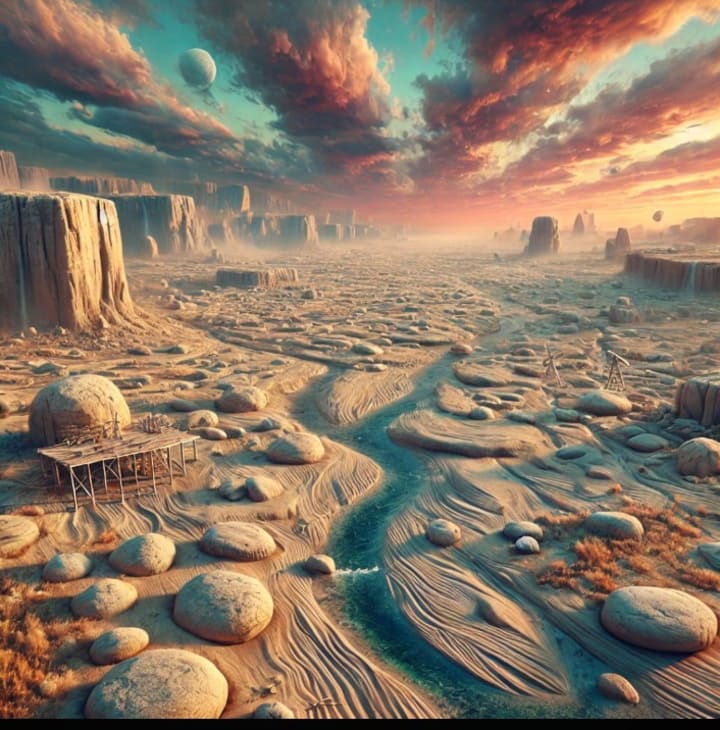
Additionally, stone-free landscapes would look drastically different. Mountains, hills, valleys, and rocky plains would no longer exist, leading to a flatter, more monotonous terrain. Riverbeds, which are often lined with stones and rocks, would be smoother, potentially changing the way rivers flow and affecting freshwater ecosystems.
Economic and Industrial Consequences
The absence of stone would have major economic implications. Many industries rely on stone and rock materials, including construction, mining, and manufacturing. Precious gems like diamonds, sapphires, and emeralds, which are all formed from stone, would not exist, affecting both the jewelry industry and the economies of countries that rely on mining.
Mining operations for other essential resources like coal, iron, and oil would also be impacted, as these are often found within rock formations. This would limit our ability to extract and use these resources, potentially halting industrial progress and leading to an energy crisis.
Psychological and Cultural Effects
Stone is deeply embedded in human culture and spirituality. Many cultures have used stone to create art, monuments, and spiritual symbols. From the Stonehenge in the UK to the Great Wall of China, stone has been used to mark cultural milestones and sacred spaces. Without stone, human expression through architecture and sculpture would be severely limited.
Furthermore, stone offers a sense of permanence and grounding. It symbolizes stability and endurance. Without stone, humanity might lose a sense of connection to the Earth and its ancient history, which could have psychological effects on how we perceive the world and our place in it.

Conclusion
A world without stone would be unrecognizable. The absence of this basic material would affect everything from the planet's geology and ecosystems to human civilization and progress. While alternative materials might emerge to fill some of the gaps left by stone, they would likely fall short in offering the same stability, resilience, and cultural significance. Stone has shaped the Earth, our history, and the way we live; without it, the world would be fundamentally altered in ways we can hardly imagine.
About the Creator
Say the truth
"Say the Truth: Explain Everything in the World" is your trusted source for uncovering facts and exploring the wonders of history, science, technology, and beyond. We simplify complex ideas and reveal truths to inspire curiosity .
Keep reading
More stories from Say the truth and writers in Fiction and other communities.
The Haunted Village of Dusun Hilang – Indonesia’s Greatest Mystery
The Horror of the Lost Village: Indonesia’s Darkest Mystery Introduction Indonesia, a land rich in culture, myths, and history, has many legends of supernatural occurrences. Among these, one stands out as the most terrifying mystery of all time—the tale of Dusun Hilang, or “The Lost Village.” This is not just folklore; it is a story that has haunted generations, leaving behind unanswered questions, eerie ruins, and inexplicable events.
By Say the truth 11 months ago in Fiction


Comments
There are no comments for this story
Be the first to respond and start the conversation.