
Guard Your Battery, Lose Your Humanity
How I hid my phone in public for 30 days in Amsterdam — and discovered the city (and myself) again
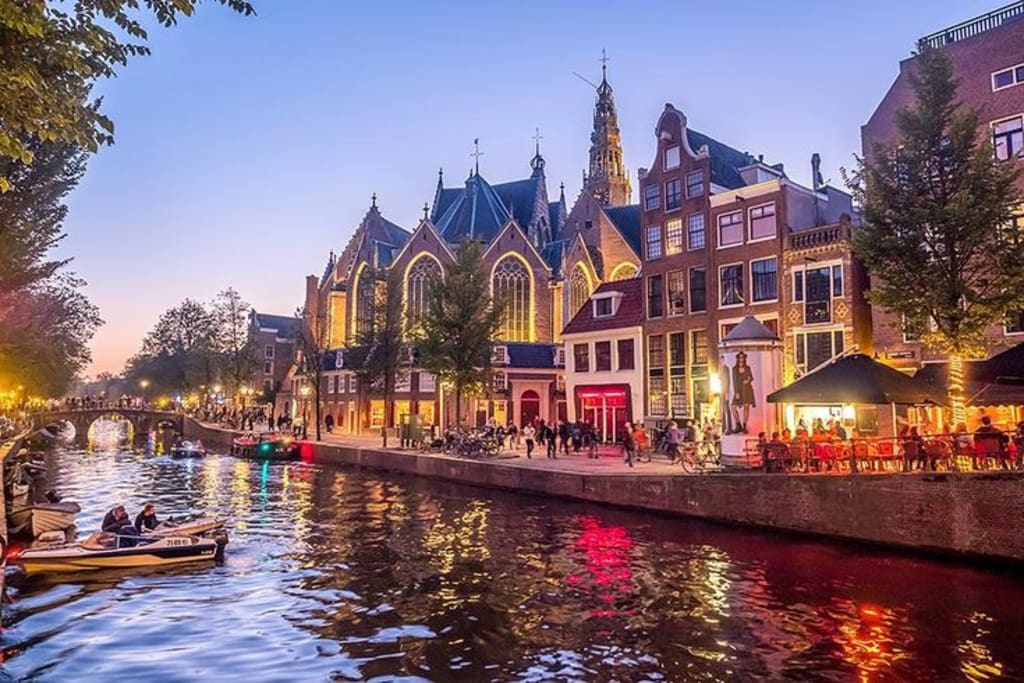
I used to think my phone was my lifeline. In Amsterdam, where rain slicks the cobblestones and bikes fly by like they're late for something important, my screen was the one constant: notifications buzzing through tram rides, endless scrolls while waiting for koffie at a brown café, quick checks at red lights on the Keizersgracht. It felt safe. Controlled. Connected.
Until it didn't.
By early 2026, I was exhausted in a way sleep couldn't fix. My anxiety had crept up quietly — heart racing in crowds, that low hum of dread when the battery dipped below 20%. I blamed the city, the weather, work. But deep down, I knew the truth: I'd outsourced my presence to a rectangle in my pocket. I was here, but never really here.
So on a drizzly February morning, I made a rule that felt ridiculous: no phone in public for 30 days. Pocket, bag, or leave it at home — but never in hand when outside my apartment. If I needed directions or music, tough. The goal wasn't total detox; it was forcing myself to look up, be bored, and — if the moment felt right — talk to someone. One stranger conversation a day if it happened naturally. No forcing, just availability.
What broke first was the fidgeting.
Days 1–10: The Withdrawal Hits Hard
The first week was brutal. At the Albert Cuyp Market, my hand kept reaching for my pocket like a phantom limb. Without the screen to hide behind, every line felt exposed. I noticed things I'd ignored for years: the way an old man feeds pigeons near the Nieuwmarkt, the precise rhythm of bike bells, the smell of fresh stroopwafels mixing with canal water.
I also noticed people. Everyone else was doing what I'd been doing — heads down, thumbs moving. On the 2 tram toward Centraal, a carriage full of silent faces lit by blue light. No one spoke. No one looked up. It hit me: we're all in our own little bubbles, floating through the same beautiful city.
By day 5, boredom turned into restlessness. Waiting for coffee at a spot on the Prinsengracht, I had nothing to do but watch. A woman in a red coat struggled with her umbrella in the wind. Our eyes met. She laughed first. "This weather," she said. I replied, "It builds character, right?" We chatted for two minutes about nothing — the rain, the best waterproof jackets. It felt awkward, electric, alive.
That tiny exchange cracked something open. My anxiety didn't vanish, but it lost its grip for a moment.
Days 11–20: The City Starts Talking Back
Halfway through, the experiment shifted from punishment to curiosity.
Without my phone as a shield, I started noticing invitations everywhere. A delivery guy on a bakfiets smiled and asked if I wanted to pet his dog (yes, obviously). At Vondelpark, a group playing frisbee waved me over when the disc landed near my bench. I said yes — and spent 20 minutes laughing like I hadn't in months.
The conversations weren't profound at first. But they were real. A Syrian baker near Dam Square told me his secret pistachio recipe over free tea. A teenage artist by the canals showed me her sketchbook and asked what I thought of her latest piece. Each interaction reminded me: people aren't scary. They're just... people. Tired, happy, lonely, kind — like me.
Research from 2025 backs this up. Studies showed even short breaks from social media and excessive screen time cut anxiety by around 16%, depression symptoms by nearly 25%, and improved sleep. But it wasn't just stats for me. It was the way my shoulders dropped when I wasn't comparing my day to filtered feeds. The quiet confidence from being fully present.
One evening on the Leidseplein, I sat phone-free at a café table. A guy in his 50s asked if the seat was taken. We ended up talking for an hour about life after divorce, raising kids in the city, the small joys of a good bitterbal. No agenda. No recording for stories. Just two humans sharing space.
My battery anxiety? Almost gone. Ironically, guarding the phone's battery meant reclaiming mine.
Days 21–30: What Actually Changed (and What Didn't)
The last stretch felt effortless. I smiled at strangers without thinking. I lingered at bridges instead of rushing. I even took the crowded rush-hour tram without panic — because I was talking to the person next to me about the ridiculous price of housing.
Did everything magically fix itself? No. I still get overwhelmed sometimes. Work stress doesn't vanish. But the constant low-level dread? It faded. I slept better. My mind felt quieter. And the city — this chaotic, gorgeous place — stopped feeling like background noise.
I realized something painful: we'd traded humanity for convenience. In Amsterdam, a city built for connection — canals for lingering, bikes for slow travel, cafés spilling onto streets — we've built invisible walls with glass screens. Guard your battery too fiercely, and you lose the messy, beautiful humanity around you.
The Takeaway I Can't Unlearn
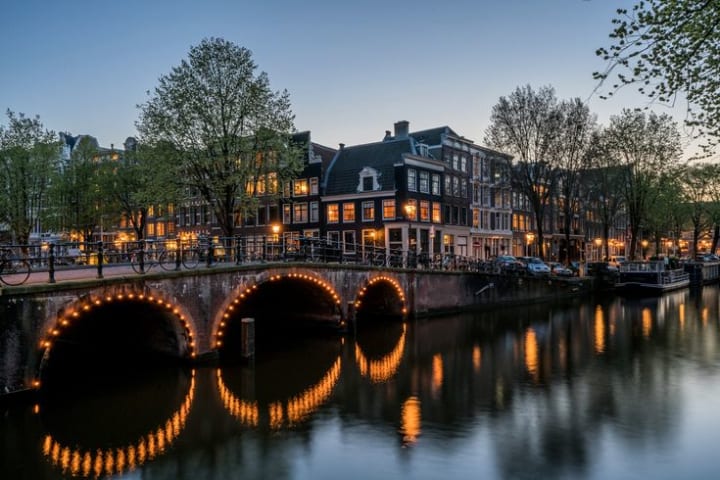
This wasn't about ditching technology forever. It's about choosing when to use it. My phone is back in my hand now — for maps, music, calling friends. But in public? I leave it down more often. And every time I do, I remember: the best moments aren't the ones you capture. They're the ones you live.
If you're in Amsterdam (or anywhere), try it. One day. No phone in hand outside. Look up. Smile. Say something small. You might find the city — and a piece of yourself — waiting.
The humanity was never gone. We just stopped looking for it.
About the Creator
Keep reading
More stories from Shoaib Afridi and writers in Fiction and other communities.
Guard Your Battery, Lose Your Humanity
I used to think my phone was my lifeline. In Amsterdam, where rain slicks the cobblestones and bikes fly by like they're late for something important, my screen was the one constant: notifications buzzing through tram rides, endless scrolls while waiting for koffie at a brown café, quick checks at red lights on the Keizersgracht. It felt safe. Controlled. Connected. Until it didn't. By early 2026, I was exhausted in a way sleep couldn't fix. My anxiety had crept up quietly — heart racing in crowds, that low hum of dread when the battery dipped below 20%. I blamed the city, the weather, work. But deep down, I knew the truth: I'd outsourced my presence to a rectangle in my pocket. I was here, but never really here. So on a drizzly February morning, I made a rule that felt ridiculous: no phone in public for 30 days. Pocket, bag, or leave it at home — but never in hand when outside my apartment. If I needed directions or music, tough. The goal wasn't total detox; it was forcing myself to look up, be bored, and — if the moment felt right — talk to someone. One stranger conversation a day if it happened naturally. No forcing, just availability. What broke first was the fidgeting. Days 1–10: The Withdrawal Hits Hard The first week was brutal. At the Albert Cuyp Market, my hand kept reaching for my pocket like a phantom limb. Without the screen to hide behind, every line felt exposed. I noticed things I'd ignored for years: the way an old man feeds pigeons near the Nieuwmarkt, the precise rhythm of bike bells, the smell of fresh stroopwafels mixing with canal water. I also noticed people. Everyone else was doing what I'd been doing — heads down, thumbs moving. On the 2 tram toward Centraal, a carriage full of silent faces lit by blue light. No one spoke. No one looked up. It hit me: we're all in our own little bubbles, floating through the same beautiful city. By day 5, boredom turned into restlessness. Waiting for coffee at a spot on the Prinsengracht, I had nothing to do but watch. A woman in a red coat struggled with her umbrella in the wind. Our eyes met. She laughed first. "This weather," she said. I replied, "It builds character, right?" We chatted for two minutes about nothing — the rain, the best waterproof jackets. It felt awkward, electric, alive. That tiny exchange cracked something open. My anxiety didn't vanish, but it lost its grip for a moment. Days 11–20: The City Starts Talking Back Halfway through, the experiment shifted from punishment to curiosity.
By Shoaib Afridiabout 23 hours ago in Fiction
Lightning Never Strikes Twice
The distant rumble, the sudden deluge, the crescendo of sound, the flash of light, the explosive energy — it never gets old. I became an amateur storm chaser about two years ago. My wife, Cindy suggested it. Sort of. She said, "Alex, you know this cancer is killing me. I've come to terms with that, but you're smothering me. Go join a band, write a book, or become a storm chaser, for all I care. I love you, but you need a hobby."
By Julie Lacksonen7 days ago in Fiction
Bomb Strike
It was the year 2027, and the world never imagined something like this would happen. A missile struck the United States. But it did not hit where experts had expected. It was not Washington, New York, or Los Angeles. Instead, it struck a small coastal town somewhere in the northeastern United States, between Maine and Delaware. No one knew exactly where it landed, and no one understood why.
By Zakir Ullahabout 22 hours ago in Fiction



Comments
There are no comments for this story
Be the first to respond and start the conversation.