
Earth in mythology (Gaia, Terra)
In various mythologies across cultures, Earth is often personified as a goddess or a powerful divine being, embodying the nurturing, life-giving forces of the planet.

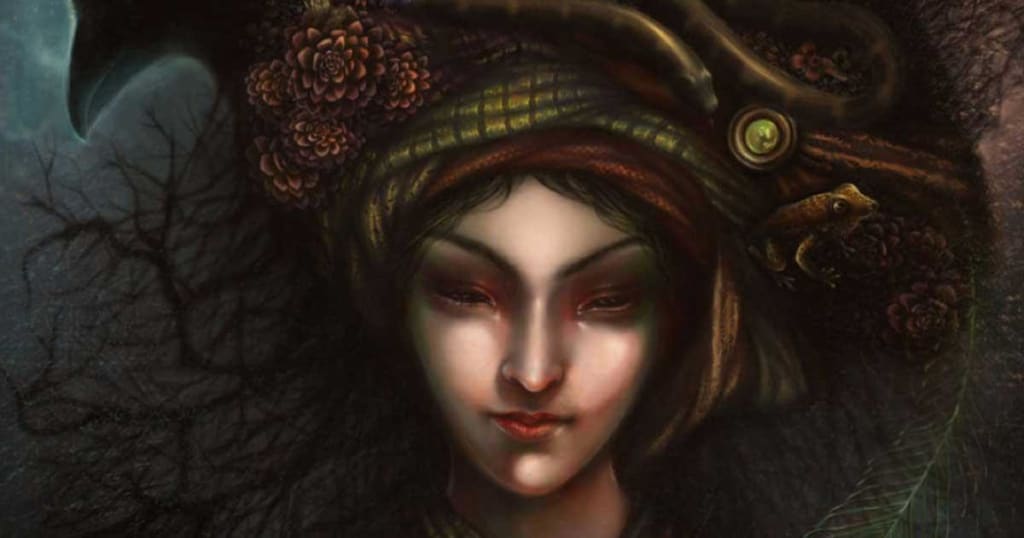
One of the most prominent representations of Earth in mythology are Gaia from Greek mythology and Terra from Roman mythology. Both of these figures play central roles in their respective mythologies, and their stories explore the interconnectedness between Earth, nature, and humanity.
Gaia: The Primordial Mother
In Greek mythology, Gaia is one of the primordial deities who emerged at the beginning of time, representing the Earth itself. She is the daughter of Chaos, the personification of the void from which all things arose. According to the ancient Greeks, Gaia is not just the Earth but the very essence of the planet—its physical manifestation and the nurturing force that sustains life.
Gaia's importance in Greek mythology is immense. She is both a mother and a creator, giving birth to many of the fundamental beings that populate the cosmos. Among her children are the Titans, the Cyclopes, and the Hecatoncheires, each of whom plays an essential role in the unfolding drama of Greek myths. Her union with Uranus, the sky god, produced the Titans, who later became embroiled in a power struggle with the Olympian gods.
Gaia’s influence is seen in her role as a protector of life. As the Earth itself, she provides food, shelter, and the conditions necessary for life to flourish. In this way, she represents the Earth’s abundance and fertility. However, Gaia’s nurturing nature is not passive. She is also a force of vengeance when wronged. For example, when her son Uranus was cruel and oppressive, Gaia conspired with her son Cronus to overthrow him, leading to Uranus’ castration. This event marks a shift in power within Greek mythology, as the Titans rise to prominence.
Gaia’s personality is multifaceted—she embodies both creation and destruction, nourishment and vengeance. Her connection to the Earth is symbolic of the natural world’s cycles: growth, decay, and rebirth.
Terra: The Roman Counterpart
In Roman mythology, Terra is the personification of the Earth, closely mirroring Gaia in her role as the Earth goddess. Terra is the Latin equivalent of Gaia, and her presence in Roman religious practices reflects the Romans’ reverence for the land and their belief in the sanctity of the Earth. Gaia, Terra is regarded as a nurturing and maternal figure, providing sustenance and protection to the people.
While Terra shares many similarities with Gaia, there are some distinctions between the two in the Roman context. The Roman conception of Terra was more directly linked to agriculture and the well-being of the state. Terra’s blessings were often invoked during agricultural rituals, as the fertility of the land was crucial to the Romans' survival. They sought her favor through prayers, offerings, and festivals dedicated to ensuring good harvests and the prosperity of their empire.
Terra is also associated with the concept of stability. The Romans believed that a strong connection with the Earth and a respect for its cycles would maintain harmony within the state. Terra's influence was not only seen in physical land but also in the moral foundation of society. The fertility of the land was often linked to the strength of the Roman people, and Terra’s blessings were integral to Rome's growth and expansion.
Interestingly, Terra's role in Roman mythology was more abstract than Gaia’s in Greek mythology. While Gaia had direct interactions with other gods and figures, Terra was more a symbol of the Earth’s vitality and enduring power. The Roman myths surrounding Terra were often less dramatic than those of Gaia but still significant in shaping the Roman worldview.
Earth as a Divine Force
Both Gaia and Terra represent Earth as a divine and sacred force. In both mythologies, Earth is more than just a physical entity; it is a living, breathing being that interacts with the gods, humans, and all life forms. These Earth goddesses personify the cycles of nature and embody the profound connection between the environment and human existence.
In Greek and Roman mythology, the Earth is never a passive entity. It is a source of both life and destruction. Gaia’s role in overthrowing Uranus and Terra’s association with fertility and prosperity emphasize that the Earth’s power is far-reaching and not to be taken for granted. The forces of the Earth are intertwined with the fortunes of humanity, and respect for the Earth was seen as essential for prosperity.
Cultural Legacy
The mythological figures of Gaia and Terra have left a lasting cultural legacy. Gaia, in particular, has been reimagined in modern contexts, from the environmental movement to the popularization of "Gaia theory," which suggests that Earth functions as a self-regulating system. This modern interpretation of Gaia as a living entity reflects the ancient Greeks’ view of arth as a powerful, interconnected system.
Terra, too, has endured in modern times, especially in Roman Catholic traditions where Earth is often referred to as "Mother Earth" in hymns and prayers. The idea of Terra as a nurturing, stabilizing force has influenced various religious and philosophical systems, reinforcing the importance of environmental stewardship and respect for the land.
In conclusion, Gaia and Terra are not just figures of mythology; they are representations of the Earth’s profound significance to humanity. Through their stories, ancient civilizations sought to explain the natural world and its cycles, giving divine form to the land that sustained them. Today, their myths continue to inspire reverence for the Earth and remind us of our enduring connection to the planet.
About the Creator
Badhan Sen
Myself Badhan, I am a professional writer.I like to share some stories with my friends.
Keep reading
More stories from Badhan Sen and writers in Fiction and other communities.
Fossils and paleontology
Fossils can range from the remains of ancient plants and animals to traces are footprints, burrows, or even fossilized waste. Fossils are invaluable windows into Earth's history, providing a direct record of life long before humans, and they form the foundation of paleontology, the scientific study of prehistoric life.
By Badhan Sen12 months ago in Fiction
🅼🅸🅳🅽🅸🅶🅷🆃 🆂🅽🅰🅲🅺🆂
"It's 10 in Tuscon! We all know what that means... It's Time for Midnight Snacks with your man, Gerald Gee! Ready to spend the night together? Me too! I'm full of snacks and can't wait to regurgitate them all back into your hungry ears. Crack a brew! Pop some corn! Anything to get ready for one hell of a show where the talk maybe cheap but the words cut deep...
By Lamar Wiggins6 days ago in Fiction


Comments (1)
Another great ancient history article. Good job.