
Do Animals Grieve? A Closer Look at Mourning Behaviours in the Animal Kingdom
Exploring the Depths of Animal Emotions and the Power of Grief in the Wild

Introduction
In 2018, the world was deeply moved by the heart-wrenching story of an orca named Tahlequah. She gave birth to a daughter, but tragically, the calf died within an hour. What followed was a remarkable and emotional display of behaviour that sparked a longstanding debate among scientists: do non-human animals grieve? In this blog, we will delve into the evidence that suggests some animals, including mammals and birds, might indeed experience grief.
Tahlequah's Unusual Behaviour
Tahlequah's story captured global attention as she mourned the loss of her calf for an astonishing 17 days and covered a staggering 1,600 kilometres, refusing to leave the body behind. Her actions included diving to retrieve the lifeless body whenever it slipped away, even as it started to deteriorate. Throughout this period, Tahlequah altered her feeding and travel patterns, leading scientists to question whether her behaviour was an expression of mourning or merely confusion.
Charles Darwin's Insights
As far back as 1871, Charles Darwin proposed that animals experience a wide range of emotions, including grief. His groundbreaking ideas challenged the prevailing notion that only humans possess complex emotional lives. However, as time passed, the scientific community became cautious about projecting human emotions onto other animals without concrete evidence.
Koko the Gorilla's Grief
The 20th century brought further challenges to the idea of human exceptionalism. One prominent example is Koko, a gorilla who was trained in American Sign Language. When Koko learned about the death of her kitten companion, she exhibited clear distress, using signs like "cry," "sad," and "frown" while looking at a photo of another kitten. This poignant behaviour strongly suggests that Koko might have experienced emotions akin to grief.
Elephant Mourning Rituals
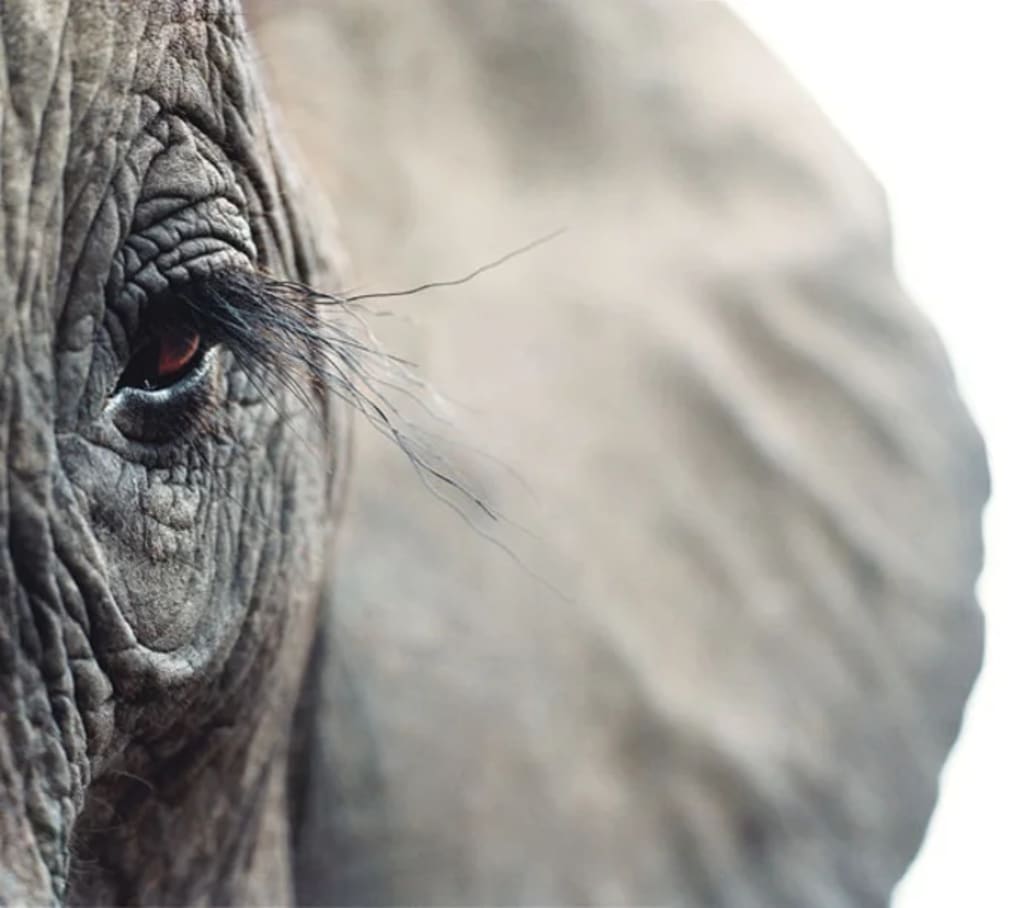
Among the most striking examples of animal grief come from elephants. In 2003, when Eleanor, an elephant matriarch, collapsed, another matriarch named Grace immediately rushed to her aid, attempting to help her stand. Grace stayed steadfastly by Eleanor's side and tried to push her back up. When Eleanor eventually passed away, elephants from different families visited her lifeless body over the course of a week, displaying behaviours that unmistakably resembled mourning.
Giraffe Grieving Process
Giraffes, too, have demonstrated signs of grief. In 2010, when a calf with a deformed foot died just four weeks after birth, 22 other females and four juveniles closely attended and nuzzled the calf's body. The mother giraffe refused to eat and stayed beside her deceased calf, even as hyenas scavenged the remains.
Quantitative Assessments of Animal Grief
Scientists have also sought to quantitatively assess animals' responses to death. For instance, researchers analysed baboon faecal samples for glucocorticoids, stress hormones that increase when humans experience bereavement. Female baboons who lost close relatives to predators showed significantly higher glucocorticoid levels in the month following the death. These bereaved baboons increased their grooming behaviours and the number of grooming partners, enhancing their social networks. Within two months, their stress hormone levels returned to baseline, suggesting a coping and healing process.
Conclusion
The evidence surrounding animal grief is compelling, indicating that some animals might experience emotions similar to human grief. Tahlequah's remarkable behaviour, Koko's distress, and the mourning rituals of elephants and giraffes all point towards a deeper emotional world within the animal kingdom. While the debate on animal emotions continues, the growing pool of data and observations suggest that animals' capacity for grief might be more profound than previously imagined.
As we continue to study and understand these behaviours, it becomes clear that we should approach the topic with empathy and respect for the emotional lives of our fellow creatures on this planet. The bond between humans and animals goes beyond the superficial, and recognizing the potential for grief in non-human animals can deepen our connection with the natural world. By shedding light on this topic, we can foster a greater sense of compassion and responsibility towards all living beings that share our planet. It is essential to continue research in this area, appreciating the depth of emotions in the animal kingdom and ensuring that we treat animals with the care and consideration they deserve. Ultimately, embracing the notion that animals can grieve expands our understanding of the richness of life on Earth and emphasises the need for coexistence and harmony with all living creatures.
About the Creator
Rohit Singh
Software developer, part-time content creator, and tech enthusiast.
Unleashing creativity and embracing tech. Join me on this thrilling journey! 🚀
Keep reading
More stories from Rohit Singh and writers in Fiction and other communities.
Journey to the Unknown: Unravelling Black Hole Mysteries
Black holes, those mysterious and awe-inspiring celestial objects, continue to fascinate scientists and stargazers alike. As we delve deeper into the mysteries of the universe, our understanding of these dark matter devouring balls of gravity has grown. In this blog, we will further explore the intriguing discoveries related to black holes, shedding light on Gaia BH1, LB1, and other monstrous black holes that challenge our current knowledge of the cosmos.
By Rohit Singh2 years ago in Fiction



Comments
There are no comments for this story
Be the first to respond and start the conversation.