
Dictator`s amulet
The saga of Francisco Franco and the hidden taweez

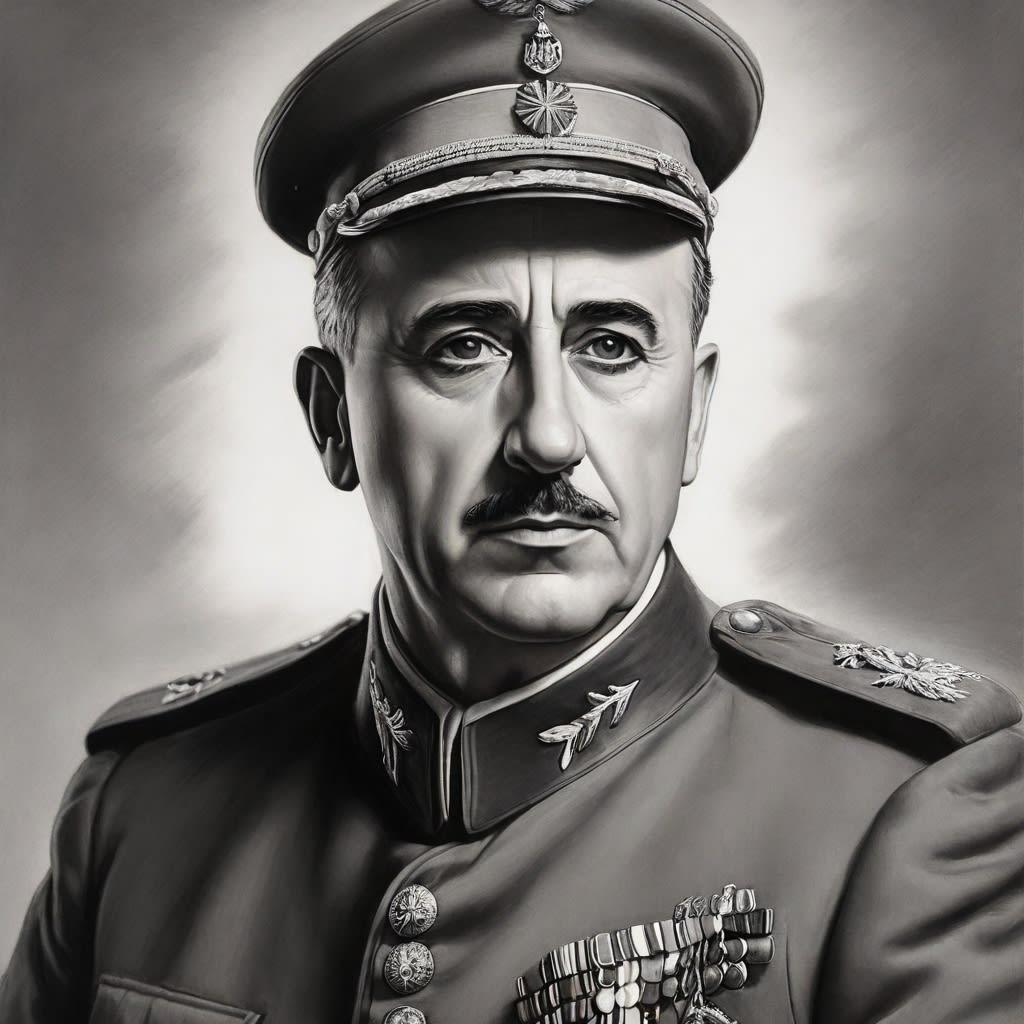
Francisco Franco's secret to power
Francisco Franco, the Spanish dictator whose rule spanned over three decades, is a figure often remembered for his authoritarian regime. But here a hidden aspect of his life is explored – his connection with an Islamic talisman- taweez, which is said to have played a crucial role in his rise to power and the maintenance of his long dictatorship.
Franco and the arabic scholar
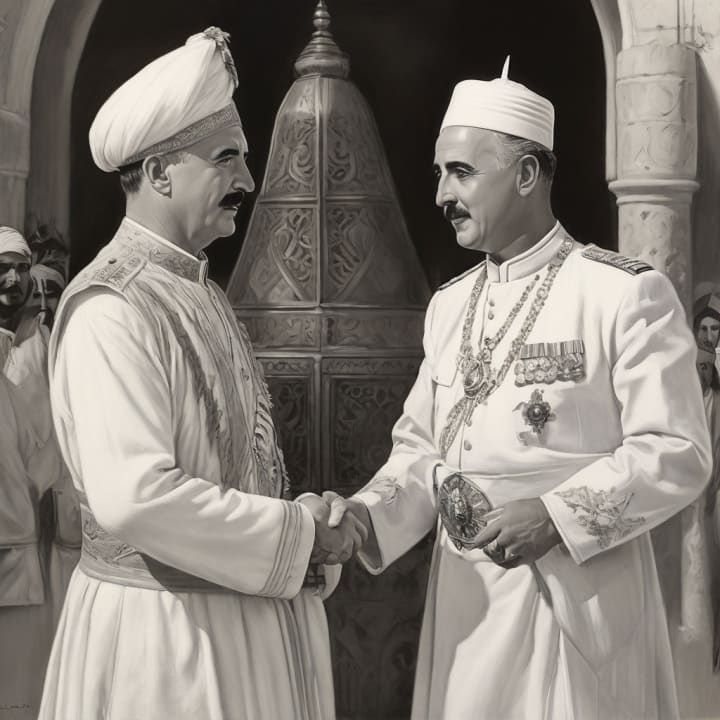
Everything begins in the early 1920s, when a young Francisco Franco, then a rising military officer, encountered an Arabic mystical scholar during a military campaign in Morocco. This scholar, named Abdelaziz Al-Maghribi, recognized in Franco a potential for significant political and military influence. Al-Maghribi presented Franco with a talisman, claiming it would grant him the strength and wisdom to lead and achieve great power.
Franco, intrigued by the mysticism and the promise of the talisman, accepted the gift. Al-Maghribi explained that the taweez was inscribed with ancient scripts that would bestow upon Franco the ability to overcome his adversaries and unify his country under a single, strong rule.
The rise of a dictator
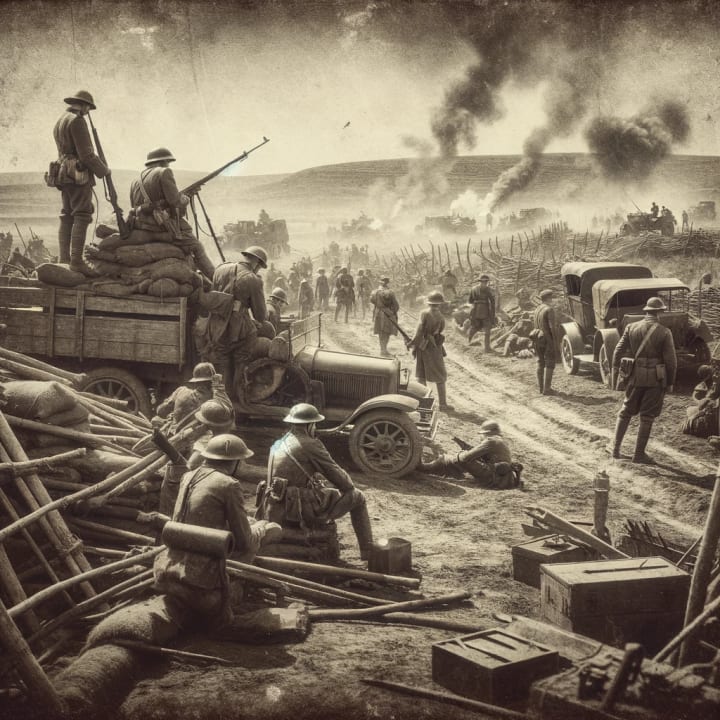
Franco's rise in the Spanish military and his eventual ascent to power are depicted as being significantly influenced by the amulet. His leadership during the Spanish Civil War, which began in 1936, is portrayed as being guided by the strategic insight and resilience provided by the talisman.
The taweez is credited with giving Franco the tactical acumen and fortitude to defeat the Republican forces. Key battles and political maneuvers, such as the Siege of Madrid and the Battle of Ebro, are depicted as victories achieved with the guidance of the mystical amulet. Franco's establishment of a nationalist dictatorship following his victory is shown as the culmination of the taweez's influence, solidifying his control over Spain.
The taweez's darker side
However, the narrative also delves into the personal and ethical costs of Franco's reliance on the mascot. His regime, marked by repression and the suppression of opposition, is depicted as being influenced by the talisman's power, which also heightened his authoritarian tendencies and disregard for democratic principles.
The taweez in the halls of power
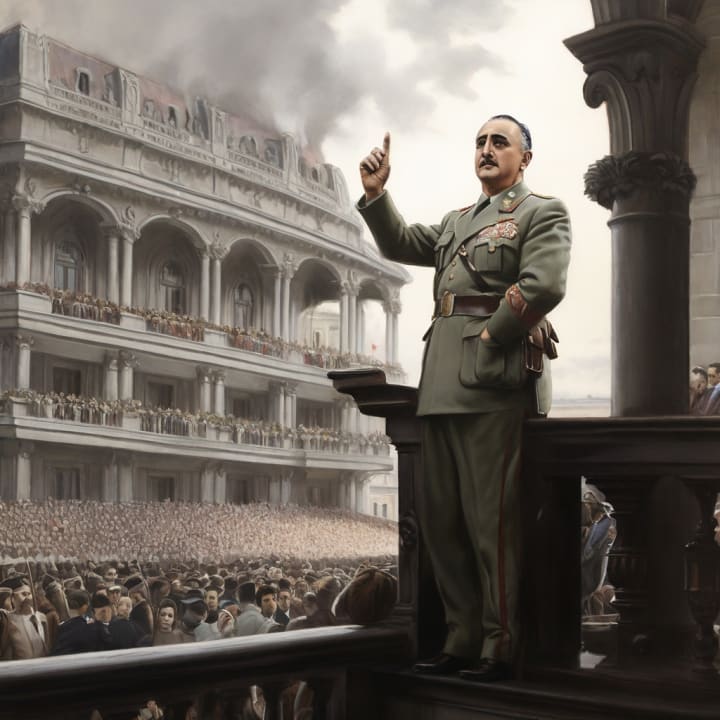
In the years following the Civil War, Franco's regime was marked by a rigorous consolidation of power. The taweez is portrayed as a key element in his ability to establish a strong authoritarian government. Its influence is depicted as guiding Franco in creating an intricate system of control, involving censorship, political repression, and the establishment of a one-party state.
Major initiatives, such as the creation of the Spanish State and the reorganization of the Spanish economy, are shown as being influenced by the strategic foresight provided by the talisman. Franco's diplomatic maneuvers during World War II and his ability to keep Spain neutral, yet strategically aligned, are also attributed to the guidance of the mystical amulet.
The era of stability and isolation
Under Franco's rule, Spain experienced a period of political stability and economic growth, which, in this fictional narrative, is partially credited to the taweez. The talisman is said to have bestowed upon Franco the insight to navigate the complex landscape of post-war Europe and to initiate economic policies that led to some level of modernization and industrial growth in Spain.
However, the narrative also explores the darker aspects of Franco's rule, intensified by the amulet's influence. The regime's harsh treatment of political dissenters, the suppression of regional cultures, and the maintenance of rigid social norms are portrayed as being exacerbated by the talisman's power. The talisman, while a source of strength and guidance, is also depicted as reinforcing Franco's rigid and oppressive governance style.
The twilight of Franco's reign and the waning power of the taweez
As Francisco Franco aged and his health began to decline in the 1970s, the story depicts the talisman's influence as diminishing. The narrative suggests that the talisman, which had been a source of strength and guidance for decades, started to lose its power, mirroring the weakening of Franco's own grip on the country.
Key decisions made towards the end of his rule, such as the appointment of King Juan Carlos I as his successor, are shown as being influenced by a combination of Franco's diminishing faculties and the fading power of the taweez. The narrative explores how the once-mighty dictator grappled with the realization that his control over Spain and his own destiny was slipping away.
The passing of Franco and the taweez's inheritance
Upon Franco's death in 1975, the story of the mascot does not end. In his final days, Franco is depicted as entrusting the talisman to a close confidant within his inner circle, ensuring that the knowledge and power of the amulet would not be lost. The identity of this individual and the subsequent fate of the taweez become a closely guarded secret, shrouded in mystery and speculation.
Reflections on a dictatorship
The story of Francisco Franco and the mascot serves as an exploration of the complexities of power, legacy, and the unseen influences that shape the lives of leaders. Franco's rule, raises questions about the sources of authoritarian strength and the potential consequences of relying on mystical artifacts for guidance in governance.
The legacy of the taweez, intertwined with the story of Franco and the history of Spain during his dictatorship, leaves behind a tale of intrigue and caution. It stands as a testament to the idea that behind significant historical figures and events, there lie extraordinary, albeit hidden, sources of strength and guidance, influencing their paths and the fate of nations.
About the Creator
salam burdu
Taweez for all problems - Visit Our Website : https://furzan.com/
Keep reading
More stories from salam burdu and writers in Fiction and other communities.
Louis XIV`s secret amulet - tawez and the king sun`s reign
An encounter in the orient: the sufi's mystical offering (mid-1600s) The story begins in the mid-1600s, as Louis XIV, the young Sun King of France, encountered a Turkish Sufi mystic, Mehmet Al-Hakim, during a secretive diplomatic mission in the Ottoman Empire. Al-Hakim, captivated by Louis' ambition and royal aura, gifted him a set of taweez. These talismans, adorned with intricate calligraphy, were said to endow the monarch with immense power, longevity in rule, and the adoration of his subjects.
By salam burdu2 years ago in Fiction
This is Why
Jenny hadn’t meant for this to happen. Alright...that was a lie. As soon as Jenny saw how close Steven was to the girl...Trina? Yes, as soon as she saw how close Steven was to Trina, Jenny knew Trina was going to get involved in some way. That it was only a matter of time before Steven told Trina how Jenny was haunting him. Jenny figured that Trina, being the good-natured, infatuated young woman that she was, would do everything in her power to help her boyfriend.
By Rebecca Pattonabout 8 hours ago in Fiction
Self Help: Grifters' Gospel
On Self-Help, Snake Oil, and the Illusion of Change Psychology professionals and students can be imagined on two opposite sides of a line called self-help books: likely a larger group opposes pop-science and step-by-step manuals filled with talk of success, journaling, and not giving a f**k; others love them, but they aren’t many.
By Avocado Nunzella BSc (Psych) -- M.A.P 5 days ago in BookClub



Comments
There are no comments for this story
Be the first to respond and start the conversation.