
Deepfake properties in India
Deepfake technologies are present in India

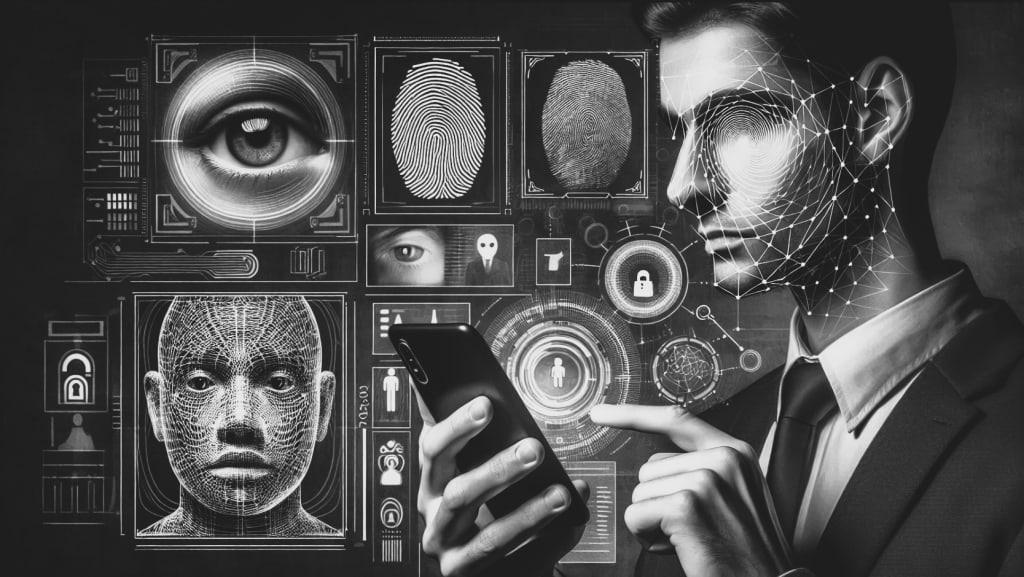
The document discusses the regulatory challenges and implications of deepfake technology in India, highlighting legal issues, potential misuse, and the need for specific legislation to address these concerns.
Overview of Deepfakes and Their Implications
Deepfakes are synthetic media created using artificial intelligence that can be used for both beneficial and harmful purposes. In India, the rise of deepfakes has led to significant legal and ethical challenges, necessitating a comprehensive regulatory framework.
Understanding Deepfake Technology and Its Applications
Deepfakes utilize advanced algorithms and machine learning techniques to create hyper-realistic videos, audio, or images.
Deepfake technology includes face reenactment, face generation, face swapping, and speech synthesis.
Applications span various sectors, including healthcare, entertainment, tourism, and education, offering benefits like enhanced diagnostics and realistic simulations.
The technology can reduce content production costs and improve marketing strategies.
Challenges Posed by Deepfakes in India
Deepfakes present numerous risks, including misinformation, political manipulation, cyberbullying, and privacy violations.
Misinformation can undermine public trust and distort perceptions of events, with deepfakes identified as a leading global risk.
Political manipulation through deepfakes can destabilize democratic processes, as seen in the 2020 Delhi elections.
Cyberbullying and harassment are prevalent, particularly through non-consensual deepfake pornography, affecting victims' mental health and reputations.
Privacy concerns arise from unauthorized use of individuals' likenesses, leading to potential legal violations.
Legal Framework Addressing Deepfakes in India
India lacks specific legislation targeting deepfakes, but existing laws can be repurposed to address related issues.
The Right to Privacy is recognized under Article 21 of the Indian Constitution, protecting individuals from unauthorized use of their likeness.
The Digital Personal Data Protection Bill of 2022 aims to safeguard personal data and could encompass deepfake-related violations.
The Right of Publicity, while not explicitly legislated, is acknowledged through judicial decisions, protecting individuals' commercial rights over their identity.
Criminal laws, including Sections 420 and 468 of the Indian Penal Code, can address identity theft and fraud related to deepfakes.
Regulatory Measures and Recommendations
To effectively combat the challenges posed by deepfakes, India needs to develop a comprehensive regulatory approach.
Drawing inspiration from U.S. legislation, India could introduce specific laws targeting the creation and distribution of malicious deepfakes.
Existing laws, such as the Information Technology Act, can be utilized to prosecute deepfake-related offenses, including privacy violations and cyber fraud.
Social media intermediaries must be held accountable for user-generated deepfake content, with clear guidelines for content removal and grievance resolution.
Raising public awareness and developing countermeasures are essential to mitigate the risks associated with deepfake technology.
Legal Framework for Deepfakes in India
The current legal framework in India lacks specific laws addressing deepfakes, which complicates the identification and prosecution of related offenses. A clear definition of deepfakes is essential for developing targeted legal measures and ensuring effective enforcement against misuse.
No existing law in India directly addresses deepfakes or defines the term.
Current laws inadequately address the impact of deepfakes on public opinion and individual reputations.
Legal action requires court proceedings, which may be slow and ineffective against the rapid spread of deepfakes.
The EU's Artificial Intelligence Act serves as a model for regulating AI technologies, while India has a distinct approach prioritizing potential over strict regulation.
Proposed measures include establishing clear guidelines for deepfakes, requiring proactive monitoring by social media platforms, and imposing severe penalties for malicious use.
Technological Solutions to Combat Deepfakes
Technological advancements are crucial for detecting and moderating deepfake content on social media platforms. Collaboration between government, tech companies, and research institutions is necessary to develop effective detection tools.
Proactive technological remedies are essential for identifying deepfakes before they spread widely.
Government support for research and development can enhance detection capabilities.
Major tech companies like Meta, Google, and Microsoft are developing tools to detect deepfakes.
Partnerships with tech industry stakeholders can facilitate innovative solutions to combat deepfakes.
International organizations, such as the World Economic Forum, are promoting initiatives to address the challenges posed by deepfakes.
Importance of Digital Literacy in Addressing Deepfakes
Enhancing digital literacy is vital for empowering individuals to recognize and resist deepfake content. Public awareness campaigns and educational programs can help mitigate the risks associated with deepfakes.
Current regulations focus on reactive measures rather than preventive education about deepfakes.
Many individuals lack awareness of deepfakes and their potential impact, making them vulnerable to misinformation.
Government initiatives can include public awareness campaigns to educate citizens about deepfakes.
Digital literacy programs can be integrated into school curricula and adult training to improve critical thinking skills.
Collaboration with media literacy organizations can enhance efforts to debunk deepfake content.
Need for Robust Legal Structures Against Deepfakes
The increasing use of deepfake technology necessitates stronger legal frameworks to address privacy, data protection, and cybercrime concerns. Specific legislation targeting deepfakes is essential for effective regulation and protection of individuals.
Current Indian laws are insufficient to address the unique challenges posed by deepfakes.
The absence of a precise legal definition complicates prosecution efforts against malicious deepfake activities.
The IT Act of 2000 may require revisions to include provisions specifically targeting deepfakes.
Proposed legal measures could impose heightened penalties for malicious creation or dissemination of deepfakes.
Ongoing government initiatives aim to raise awareness and caution media entities about manipulated content.
About the Creator
SAURIK NAG
An artist creates a life I love
আমারও পরাণ যাহা চাই, তুমি তাই..................
Keep reading
More stories from SAURIK NAG and writers in Fiction and other communities.
Pandora’s Burden
“My brother warned me to not accept gifts from the one who commissioned you,” said Epimetheus to the woman clad in silvery raiments standing at the entrance to the temple. Her silver tiara and the silver rings on her fingers and toes glinted in the firelight cast by torches set on either side of the doorway. Lingering in the shadows, beyond the reach of the flames as she was, he could not tell what she held in her hands. At first what appeared to be a box was perhaps a funerary urn, or maybe merely an apple.
By J. Otis Haas2 days ago in Fiction
The Boy Who Cried Blood
For a hideous, elongated moment, she thought one of the estate kids had broken in and cut off his face. He wore a dry mask of blood and his white pillows were drenched in sticky red. It was only when he moaned and his sealed eyelids began to undulate like boiling pasta parcels, that she screamed with relief and ran to his bedside.
By Matthew Batham2 days ago in Fiction




Comments (1)
Share this