
Decoding Polythene: A Comprehensive Exploration of Its Origins, Types, and Applications
Polythene Chronicles: Navigating Its Origins, Chemistry, and Diverse Real-World Applications

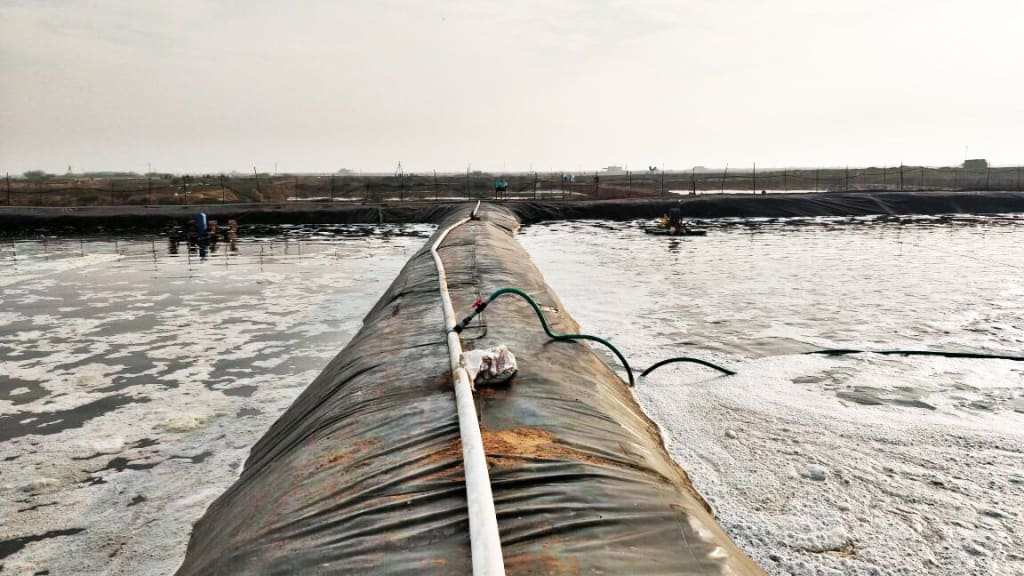
Polythene, scientifically known as polyethylene (PE), is a foundational player in the realm of polymers. Its unique molecular structure, derived from repeating ethene monomers, distinguishes it as a thermoplastic homopolymer. This guide delves into the intricacies of polythene, shedding light on its discovery, chemical composition, production methods, and diverse applications.
Evolution of Polythene
Discovery Pioneers
In 1933, the serendipitous discovery of polythene occurred through the reaction of ethylene with benzaldehyde. Scientists Reginald Gibson and Eric Fawcett paved the way for this revolutionary polymer. Subsequently, Imperial Chemical Industries filed the first polythene patent in 1936, marking the formal acknowledgment of this transformative material.
HDPE Milestone
The journey of polythene took a significant leap in 1953 when Karl Ziegler developed a groundbreaking method for polymerizing high-density polyethylene (HDPE). Ziegler's catalytic process became a cornerstone in the production of HDPE, propelling the versatility and applications of polythene to new heights.
Unraveling Polythene's Chemical Formula
The fundamental building block of polythene is a carbon backbone, where each carbon atom forms two single bonds with its neighbors. Hydrogen atoms occupy the remaining bonding sites. Represented by the chemical formula (C2H4)n, polythene embodies a repeating ethylene molecule, encapsulating its structural essence.
Polythene Production: Crafting the Polymer Symphony
The synthesis of polythene involves the polymerization of ethylene, a byproduct derived from natural gas or crude oil processing. Utilizing catalysts like metallocene or Ziegler-Natta catalysts, ethylene undergoes polymerization, transforming into the versatile polythene polymer.
Varieties of Polythene
Polythene manifests in four primary varieties, each tailored to specific applications:
Ultra-High Molecular Weight Polythene (UHMWPE): Renowned for its linear molecular chain without side branches, UHMWPE boasts exceptional toughness and abrasion resistance, finding applications in demanding industrial scenarios.
High-Density Polythene (HDPE): Characterized by a linear molecular chain and minimal branching, HDPE forms a dense structure, resulting in rigid and mechanically robust material. Commonly used in opaque applications like pipes and containers.
Low-Density Polythene (LDPE): In contrast to HDPE, LDPE features supplementary branches in its molecular structure. This imparts softness and transparency to LDPE, making it suitable for various flexible applications like plastic bags.
Linear Low-Density Polythene (LLDPE): Similar to LDPE but with shorter branches, LLDPE exhibits high elongation and tensile strength. Frequently utilized in stretch films, LLDPE strikes a balance between flexibility and strength.
Polythene in Action: Applications Across Industries
Polythene's versatility unfolds across diverse industries, influencing everyday life and pivotal sectors. Some prominent applications include:
Plastic Bottles
Water Tanks
Food Containers
Bags
Pipes and Pipe Fittings
Flexible Films
Medical Implants
Ropes and Wires
Fishing Nets
Advantages of Polythene Utilization
Polythene stands out in the materials landscape, offering a multitude of advantages:
Affordability and Accessibility
Electrical Insulation Equivalence
Chemical Imperviousness to Diluted Acids and Solvents
Simplified Injection Molding Process
Robustness and Resistance to Wear
Ability to Form Robust, Thin Films
Clear Grades for Transparency
Polythene and Injection Molding
Polythene seamlessly integrates into the realm of plastic injection molding. Its ease of processing makes it a preferred material for this manufacturing method. Beyond injection molding, polythene finds application in blow molding and film extrusion, showcasing its adaptability across various processing techniques.
Environmental Considerations: Addressing Polythene's Impact
While polythene offers unparalleled versatility, its environmental impact poses challenges. Polythene is not biodegradable and originates as a byproduct of crude oil processing. Efforts to mitigate its environmental footprint include recycling initiatives and the exploration of biodegradable alternatives.
Crafting a Better Version: Refined Insights into Polythene
In crafting a comprehensive guide to polythene, this exploration unveils the material's journey from discovery to its myriad applications. Contacting industry leaders like Mono Industries provides an opportunity to delve deeper into polythene's potential and discover sustainable practices for its utilization.
About the Creator
Sunny
Find the Top Quality HDPE Sheets in India
The Lesions of Devotion
Every day I set myself down on the freshly cut lawn and strip myself bare. I take my guitar and finger the frets and pick at the strings, listening for dissonance. My life is dissonance. I twist the tuning pegs until each string sounds bright. Then I kneel, calves pointing behind me, kneecaps facing forward. All exposed to the breeze. I close my eyes and play the melody.
By Paul Stewartabout 9 hours ago in Fiction




Comments
There are no comments for this story
Be the first to respond and start the conversation.