
Burning Times
The Tragic Tale of the Witch Trials

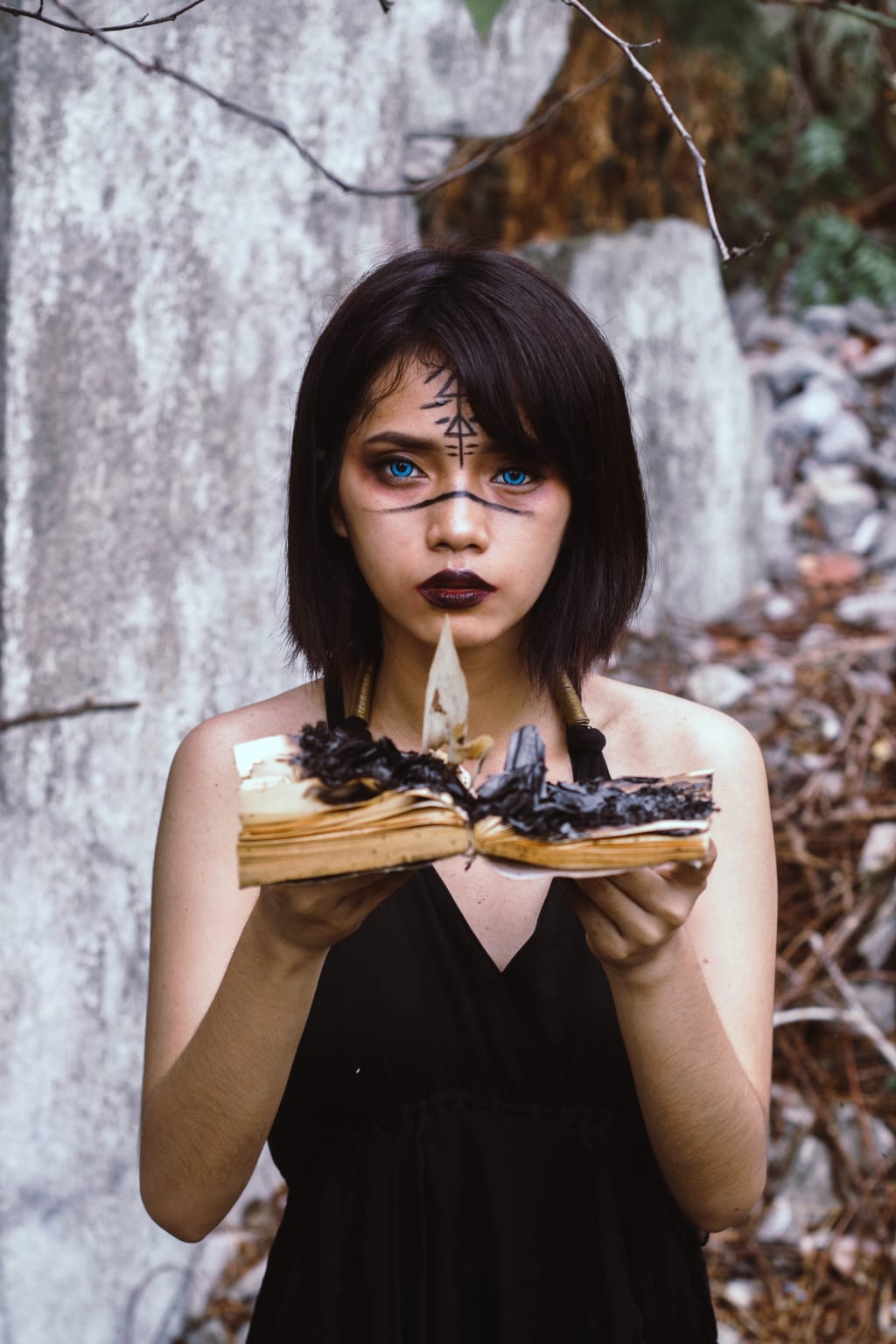
The Seeds of Suspicion
The town of Triora is known throughout Italy as the village of witches. And there is a reason for that. It is said that here, the great witch hunt of the country was organized.
In the distant year of 1587, a terrible famine and bad weather convinced the desperate inhabitants of the town that witches were the cause of such a calamity. The Inquisitor of Genoa and Albenga, along with the priest Girolamo del Pozzo, were called upon to investigate the suspicions raised by the local council. In the blink of an eye, 20 women found themselves in the crosshairs.
The 20 alleged witches quickly became 30, and the numbers continued to multiply in a crescendo of paranoia and denunciations obtained through torture. Some of the accused belonged to influential families. Before the end of the trial, one had taken her own life, and another had died under torture. At least four alleged witches were burned at the stake.
Now, let's proceed with the historically accurate reconstruction of this tragic event, without adding any fantasy elements. You are welcome to create a protagonist, but the ending of the story will be tragic and far from a happy one.
The story of the village of Triora, known throughout Italy as the village of witches, is shrouded in darkness that dates back to the year 1587. During that time, a terrible famine and persistent bad weather struck the town, plunging its inhabitants into despair as they sought a rational explanation for their hardships.
Word of the possible influence of witches on the situation spread quickly, eventually reaching the ears of the Inquisitor of Genoa and Albenga, as well as the priest Girolamo del Pozzo. These two men, charged with upholding religious orthodoxy and combating heresy, were summoned to Triora to investigate the suspicions raised by the local council.
The initial phase of the investigation was conducted discreetly, with secret interrogations and close surveillance of the alleged witches. At first, only twenty women were deemed suspicious, but suspicions spread like wildfire, fueled by mounting paranoia and denunciations obtained through torture.
The Witch Hunt Escalates
Testimonies extracted under coercion and torment led to an alarming escalation in the number of women accused of witchcraft. The initial twenty grew to thirty, then forty, as malicious rumors and suppositions spread unchecked. Even some of Triora's most influential families were implicated, further fueling tension and distrust within the community.
The witch hunt reached its peak through a long and harrowing trial, during which the alleged witches were subjected to further interrogations and torment. As collective hysteria spread, one of the accused took her own life to escape the cruelty of the torture and the impending doom of a conviction. Another woman perished during an extremely violent interrogation, leaving her life in the hands of the horror that had engulfed the town.
The flame of collective hysteria burned ever more intensely and relentlessly. Witchcraft accusations multiplied, and trials followed in an endless chain of convictions. At least four of the alleged witches were ultimately declared guilty and sentenced to death for the heresy society feared so much.
And so, in the sad and fateful climax of this tale, the four women were brought to the town square, tied to a stake, and burned alive before the terrified eyes of their fellow townspeople. The air filled with the acrid scent of burning flesh, as the pain and suffering of the victims merged with the guilt and horror of the onlookers.
The Tragic Conclusion
The witch hunt in Triora concluded with a ferocity unparalleled, an epidemic of paranoia, and indiscriminate violence that deeply shook the community. The lives of many women were shattered, destroyed by injustice and blind credulity. The once-renowned beauty and tranquility of the village of Triora became a place of mourning and fear, forever linked to one of the darkest chapters in Italian history.
But the story did not end in Triora. Throughout Europe, thousands of women would be persecuted and killed during the era of the witch hunts, a period marked by ignorance, superstition, and fear of the unknown. As the years passed and societies evolved, these tragic events would serve as a reflection on the dire consequences of intolerance and injustice, serving as a warning to future generations.
Thus, in the village of Triora, the pain and horror of the witches burned alive would remain etched in the collective memory, a somber reminder of a past in which humanity, blinded by fear, committed crimes that could never be erased.
Dear reader,
I want to emphasize that everything you have just read about the Malaspina Castle is a product of my imagination and creativity, and it was written exclusively for entertainment purposes. The castle does indeed exist and has a history full of charm, but the information provided here may not correspond to verifiable historical facts.
The goal of this narrative was to tell you an engaging and fascinating legend, imagining the details and stories that may have unfolded within it. Therefore, I invite you to take what has been written with the right amount of imagination and not consider it as an accurate representation of what may have actually happened.
I hope you enjoyed this adventure and that you had fun immersing yourself in the atmosphere of a bygone era. Thank you for accompanying me on this narrative.
Best regards,
Sporco D'Inchiostro
About the Creator
Keep reading
More stories from Sporco D'Inchiostro and writers in Fiction and other communities.
Whispers of Love and Tragedy
Introduction The Malaspina Castle, also known as Fosdinovo Castle, is an impressive fortress located in the picturesque municipality of Fosdinovo, in the Liguria region of Italy. It is one of the most fascinating and well-preserved castles in the region.
By Sporco D'Inchiostro3 years ago in Fiction
A Nameless Person in an Empty Place
She felt nameless. It was an easy enough situation to slip into, watching the city slip by during her morning commute. She was as faceless, nameless, and insignificant as every other person on the hover bus. She was just another person dressed up in professional clothes, getting ready to step into her quiet, albeit stressful job, where she sat at a computer for most of the day.
By Leigh Victoria Phan, MS, MFAa day ago in Fiction



Comments
There are no comments for this story
Be the first to respond and start the conversation.