
Breakup of SpaceX’s Starship Rocket Disrupts Florida Airports
Rocket
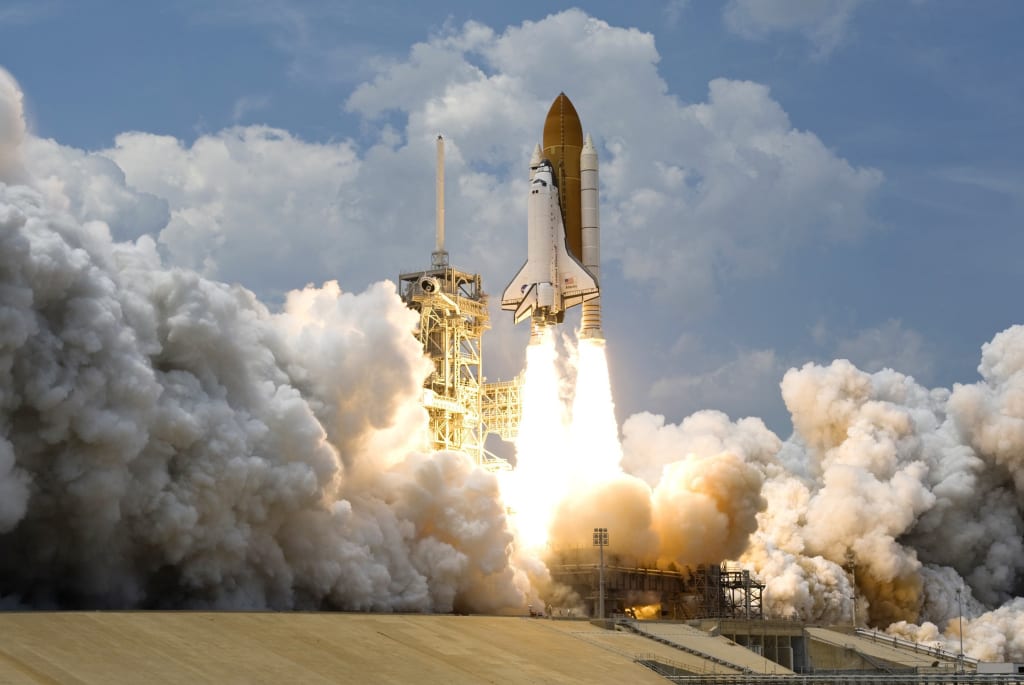
The aerospace industry has long been a beacon of human ingenuity and technological advancement, with companies like SpaceX leading the charge in pushing the boundaries of space exploration. However, the recent breakup of SpaceX’s Starship rocket during a test flight has not only raised questions about the challenges of space travel but also highlighted the broader implications of such events on terrestrial operations. The incident, which occurred on 07-03-2025, disrupted air traffic in Florida, grounding flights and causing significant delays at several major airports. This article delves into the details of the Starship breakup, its impact on Florida’s aviation sector, and the broader implications for the future of space exploration and air travel.
The Starship Rocket: A Bold Vision for Space Exploration SpaceX’s Starship rocket is a cornerstone of the company’s ambitious plans to revolutionize space travel. Designed to be a fully reusable, super-heavy-lift launch vehicle, Starship aims to carry humans and cargo to the Moon, Mars, and beyond. With its sleek stainless-steel design and cutting-edge engineering, Starship represents a significant leap forward in rocket technology. However, the road to success has been fraught with challenges, as evidenced by the recent test flight. The test flight in question was part of SpaceX’s iterative development process, which involves rapid prototyping and testing to identify and address design flaws. While this approach has yielded remarkable successes in the past, it also carries inherent risks. The breakup of the Starship rocket during ascent is a stark reminder of the complexities involved in developing such advanced technology.
The Incident: What Happened?
On the day of the test flight, the Starship rocket lifted off from SpaceX’s launch site in Boca Chica, Texas. The initial stages of the flight appeared to go according to plan, with the rocket ascending smoothly through the atmosphere. However, as it approached the upper limits of its trajectory, the vehicle experienced a catastrophic failure, resulting in its breakup. Debris from the rocket scattered across a wide area, prompting concerns about safety and environmental impact.
While no injuries or significant damage were reported on the ground, the incident had far-reaching consequences for air travel in Florida. The breakup occurred in close proximity to several major flight paths, forcing air traffic controllers to reroute flights and impose temporary ground stops at airports across the state. This disruption caused delays for thousands of passengers and highlighted the interconnected nature of aerospace and aviation operations.
Impact on Florida Airports
Florida is home to some of the busiest airports in the United States, including Miami International Airport, Orlando International Airport, and Fort Lauderdale-Hollywood International Airport. These hubs serve as critical nodes in the global air travel network, handling millions of passengers and tons of cargo each year. The disruption caused by the Starship breakup underscored the vulnerability of this network to external events.
In the immediate aftermath of the incident, air traffic controllers issued a Notice to Airmen (NOTAM), alerting pilots to the potential hazards posed by falling debris. This necessitated the rerouting of flights and the imposition of ground stops, which effectively halted all departures and arrivals at affected airports. The resulting delays cascaded through the system, causing widespread inconvenience for travelers and logistical challenges for airlines.
The economic impact of such disruptions can be significant. Delays and cancellations not only result in lost revenue for airlines but also have a ripple effect on related industries, such as tourism and hospitality. In Florida, where tourism is a major driver of the economy, even a temporary disruption in air travel can have far-reaching consequences.
Broader Implications for Space Exploration and Air Travel
The breakup of the Starship rocket and its subsequent impact on Florida’s airports raises important questions about the future of space exploration and its intersection with air travel. As commercial spaceflight becomes increasingly common, the potential for such incidents to disrupt air traffic is likely to grow. This presents a unique challenge for regulators, who must balance the need to support innovation in the aerospace industry with the imperative to ensure the safety and reliability of air travel.
One potential solution is the development of more robust coordination mechanisms between space agencies, commercial space companies, and aviation authorities. This could involve the creation of dedicated airspace corridors for rocket launches, as well as improved communication and contingency planning to minimize the impact of potential disruptions. Additionally, advances in technology, such as real-time tracking of space debris, could help mitigate the risks posed by falling debris.
The incident also underscores the importance of transparency and accountability in the aerospace industry. SpaceX has been praised for its willingness to share information about its test flights, including both successes and failures. This openness is crucial for building public trust and fostering a culture of continuous improvement. However, as the stakes continue to rise, it will be essential for the company and its peers to demonstrate a commitment to safety and responsibility.
Lessons Learned and the Path Forward
The breakup of the Starship rocket serves as a reminder that the pursuit of space exploration is not without its challenges. While setbacks are an inevitable part of the development process, they also provide valuable opportunities for learning and growth. In the case of SpaceX, the data gathered from the test flight will undoubtedly inform future design improvements and enhance the safety and reliability of the Starship rocket.
For the aviation industry, the incident highlights the need for greater collaboration and preparedness in the face of emerging risks. As the boundaries between air and space travel continue to blur, it will be essential for stakeholders to work together to ensure the safe and efficient operation of both domains.
In conclusion, the breakup of SpaceX’s Starship rocket and its impact on Florida’s airports is a testament to the interconnected nature of modern aerospace and aviation operations. While the incident posed significant challenges, it also offers valuable lessons for the future. By embracing innovation, fostering collaboration, and prioritizing safety, we can navigate the complexities of this new era and continue to push the boundaries of what is possible in air and space travel.Start writing...
About the Creator
Keep reading
More stories from Taiyab Ahmed and writers in Fiction and other communities.
AI and the Art of Creativity: Can Machines Truly Be Artists?
# Artificial Intelligence and Creativity: Can Machines Really Be Artists? In the grand tapestry of human history, art has always been a defining feature of our species. From the cave paintings of Lascaux to the symphonies of Beethoven, creativity has been a uniquely human endeavor—a way to express emotions, tell stories, and explore the boundaries of imagination. But as artificial intelligence (AI) continues to advance, a provocative question arises: Can machines truly be artists? Can algorithms, devoid of consciousness and emotion, create works of art that resonate with the human soul? This article delves into the intersection of AI and creativity, exploring the possibilities, challenges, and ethical implications of machine-generated art.
By Taiyab Ahmed12 months ago in Fiction
Pandora’s Burden
“My brother warned me to not accept gifts from the one who commissioned you,” said Epimetheus to the woman clad in silvery raiments standing at the entrance to the temple. Her silver tiara and the silver rings on her fingers and toes glinted in the firelight cast by torches set on either side of the doorway. Lingering in the shadows, beyond the reach of the flames as she was, he could not tell what she held in her hands. At first what appeared to be a box was perhaps a funerary urn, or maybe merely an apple.
By J. Otis Haas3 days ago in Fiction



Comments
There are no comments for this story
Be the first to respond and start the conversation.