
Book Review: "The Great Gatsby" by F. Scott Fitzgerald: A Captivating Tale of Wealth, Love, and the American Dream
An Iconic Jazz Age Saga of Love, Illusion, and Heartache

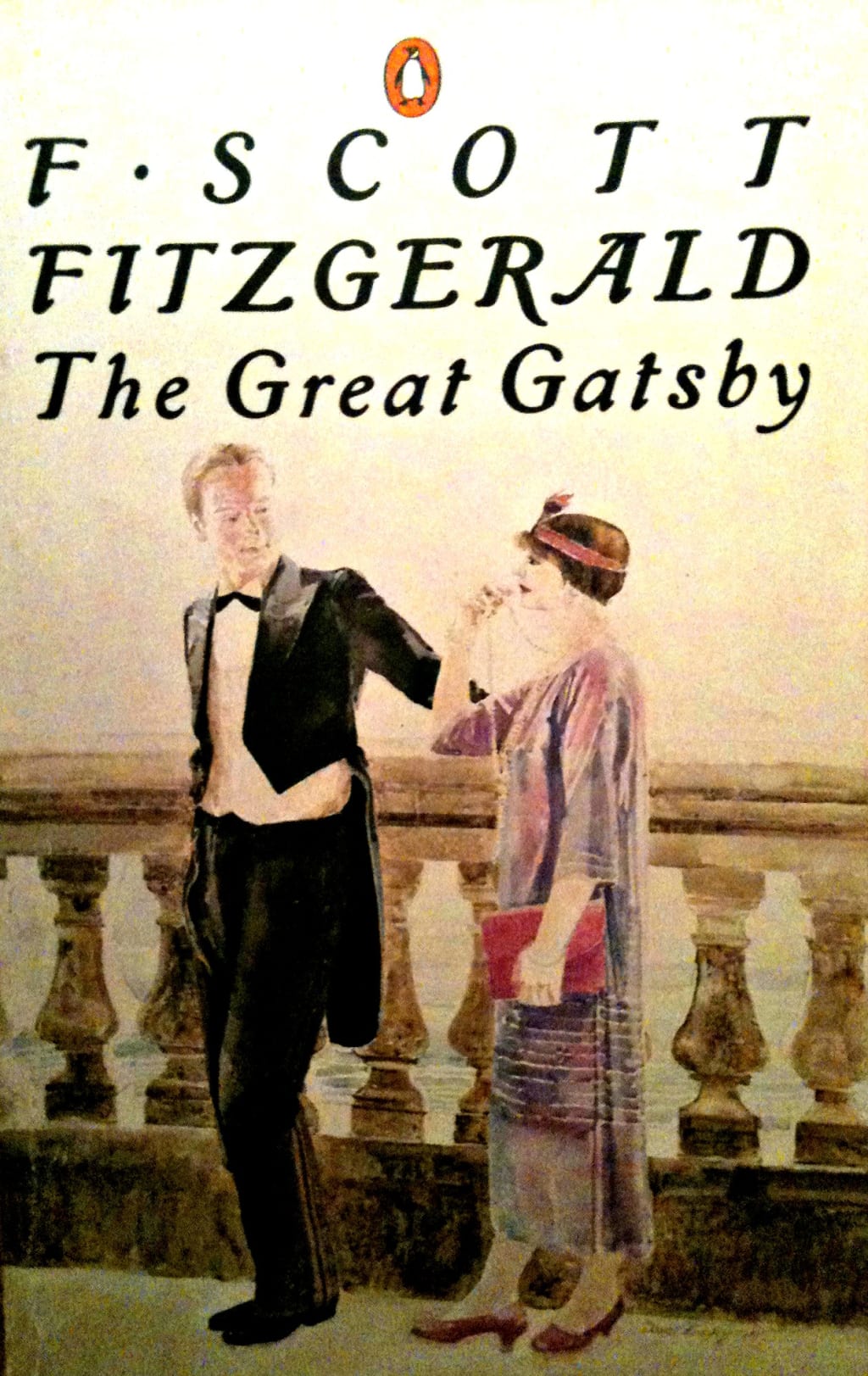
"The Great Gatsby" by F. Scott Fitzgerald is a timeless masterpiece of American literature that continues to captivate readers with its portrayal of wealth, love, and the pursuit of the elusive American Dream. Set against the backdrop of the extravagant and exuberant Roaring Twenties, the novel delves into the lives of the enigmatic Jay Gatsby and the disillusioned narrator, Nick Carraway. As we are drawn into the world of lavish parties, secrets, and unrequited love, Fitzgerald weaves a tale of ambition, tragedy, and the fleeting nature of happiness.
A Glittering World of Excess
"The Great Gatsby" is an immersion into the decadence and extravagance of the Jazz Age, a time of post-World War I economic prosperity and social upheaval. The novel unfolds in the fictional town of West Egg on Long Island, where the newly rich, epitomized by Jay Gatsby, host opulent parties to impress their guests. Nick Carraway, a young bond salesman, finds himself drawn to this world of glittering excess when he becomes Gatsby's next-door neighbor.
Gatsby's Pursuit of the American Dream
At the heart of the novel lies the enigmatic figure of Jay Gatsby, a self-made millionaire with a mysterious past and an insatiable desire to win back the love of his life, Daisy Buchanan. Gatsby's relentless pursuit of the American Dream, symbolized by his grand mansion and extravagant parties, encapsulates the ideal of achieving success and social status.
Fitzgerald skillfully captures the essence of Gatsby's yearning for a better life, as well as the inherent emptiness that lies beneath the facade of wealth. Gatsby's unattainable dream is a poignant reflection of the illusory nature of the American Dream itself, highlighting the impossibility of recapturing the past and finding lasting fulfillment in material possessions.
Love and Obsession
Central to "The Great Gatsby" is the complex love triangle involving Jay Gatsby, Daisy Buchanan, and Daisy's husband, Tom. Gatsby's profound infatuation with Daisy fuels his pursuit of wealth and social status, as he believes these are the keys to winning her back. Daisy, torn between her feelings for Gatsby and the comfort of her privileged life with Tom, represents the allure of wealth and the conflicts that arise from societal expectations.
As the narrative unfolds, Fitzgerald masterfully explores the themes of love, obsession, and the consequences of unfulfilled desires. The characters' emotions, passions, and inner struggles add depth and richness to the story, making it a compelling exploration of the complexities of human relationships.
The Tragedy of Illusion
Amidst the dazzling facade of the Roaring Twenties, "The Great Gatsby" reveals a dark undercurrent of disillusionment and moral decay. The characters' pursuit of pleasure, wealth, and social status masks deeper insecurities and moral ambiguity. The novel peels back the layers of illusion, exposing the hollowness of materialism and the emptiness of lives consumed by excess.
Nick Carraway, serving as the novel's narrator and a witness to the events, becomes a detached observer of the tragedy that unfolds. Through Nick's eyes, readers gain insight into the consequences of unchecked ambition and the destructive power of unbridled desire.
Conclusion
"The Great Gatsby" by F. Scott Fitzgerald remains a timeless exploration of the complexities of human nature and the pursuit of the American Dream. With its lush prose, memorable characters, and poignant themes, the novel leaves an indelible impression on readers, inviting reflection on the ephemeral nature of wealth, love, and happiness.
Through the portrayal of Jay Gatsby's tragic pursuit of an unattainable dream and the underlying disillusionment of the Jazz Age, Fitzgerald offers a searing critique of a society obsessed with appearances and material success. As a testament to the enduring power of great literature, "The Great Gatsby" stands as a poignant reminder of the eternal quest for meaning, identity, and the elusive nature of the human spirit.
About the Creator
Kristopher Abralitovich
Aspiring wordsmith and book enthusiast. Crafting stories that stir hearts and sharing my love for literature through insightful book reviews. Let's explore the magic of storytelling together! 📚✍️
Keep reading
More stories from Kristopher Abralitovich and writers in Fiction and other communities.
Book Review: "The Hunger Games" by Suzanne Collins
"The Hunger Games" by Suzanne Collins is a spellbinding and dystopian young adult novel that transports readers to the harsh and unforgiving world of Panem—a nation divided into affluent Capitol and twelve impoverished districts. Set in a future where survival is a daily struggle, the novel follows the courageous and resourceful Katniss Everdeen as she embarks on a treacherous journey of survival, rebellion, and sacrifice in the deadly Hunger Games arena. With its compelling plot, vivid characters, and thought-provoking themes, "The Hunger Games" has captured the hearts of readers of all ages.
By Kristopher Abralitovich3 years ago in Fiction
The First Rainbow Baby
Pitter-patter, pitter-patter. The rain fell in rhythmic splatters, slowly slowing, but still constant. Mira rolled onto her side pulling the blanket tight against her ears, but still she could hear chitter-chatter and scurrying feet of the creatures that refused to sleep in the lower decks.
By A. J. Schoenfeld3 days ago in Fiction
The Forsyth House Fire
Since 1851, Forsyth House has stood on the corner of Union Street and Gordon Street in the heart of Glasgow. Its iconic, or was... because on Sunday 8th of March, 2026, a fire broke out in a small, seemingly un-named shop in the building and tore all that history down. As I write, the rubble is still unsettled and the street is still blocked off. Central Station is quiet on the upper level, and around 30 small businesses have quite literally gone up in smoke.
By S. A. Crawford3 days ago in The Swamp


Comments
There are no comments for this story
Be the first to respond and start the conversation.