
Book Review: "The Book Thief" by Markus Zusak
A Heartrending Tale of Love, Loss, and the Power of Words
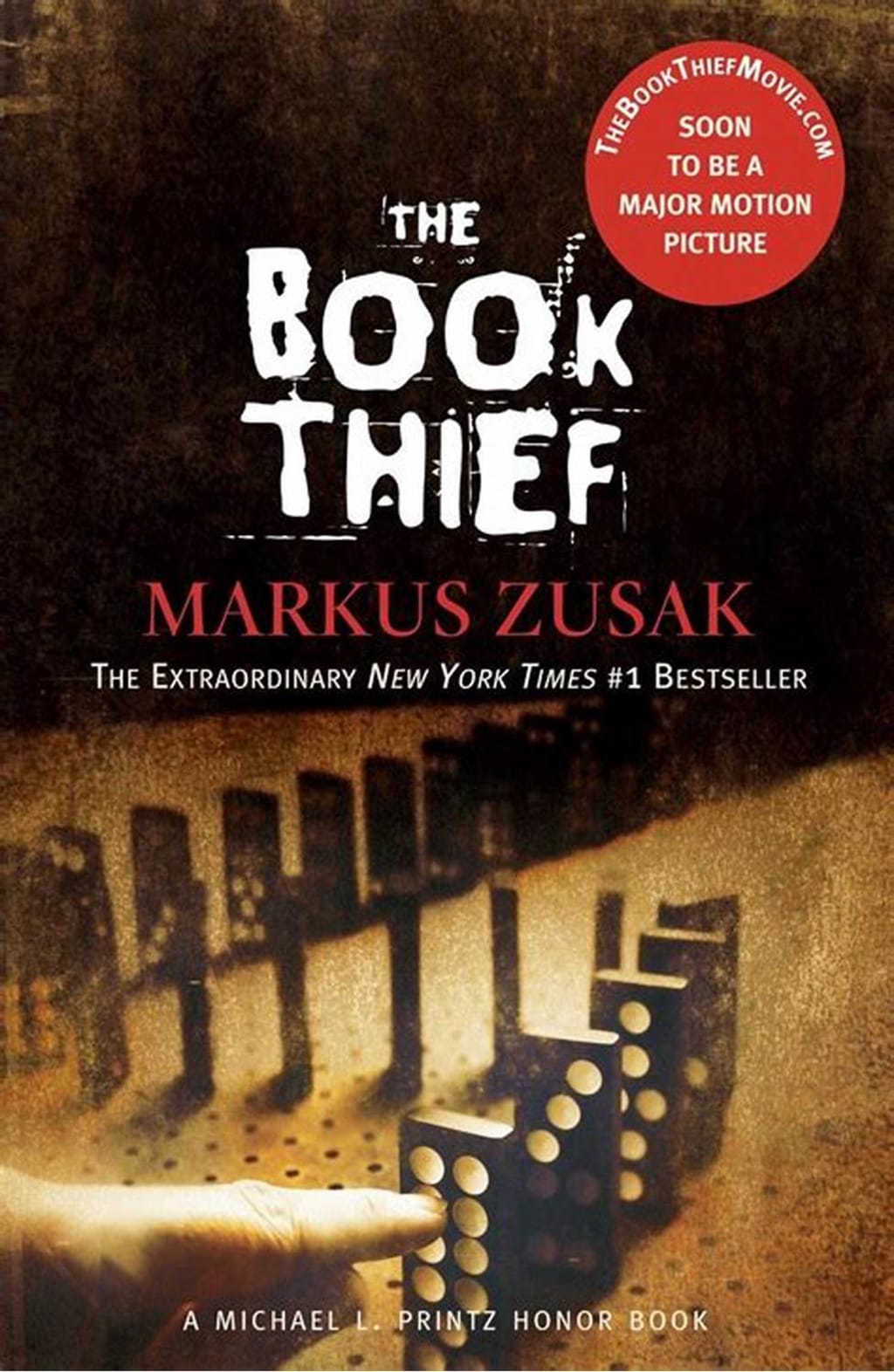
"The Book Thief" by Markus Zusak is a profoundly moving and beautifully written historical fiction novel set in Nazi Germany during World War II. Narrated by Death, the story follows Liesel Meminger, a young girl who discovers the transformative power of words amidst the horrors of war. With its evocative prose and unforgettable characters, "The Book Thief" offers a poignant exploration of the resilience of the human spirit and the enduring power of literature to provide solace, hope, and redemption in the darkest of times.
A Unique Narrative Voice
Narrated by Death, "The Book Thief" takes on a distinctive and thought-provoking perspective. Death serves as both observer and storyteller, providing an intimate glimpse into the lives of ordinary people living under the shadow of war and loss. This unique narrative voice infuses the novel with a haunting sense of mortality and inevitability, lending depth and poignancy to the unfolding events.
Liesel Meminger: A Heroine with Heart
At the heart of the story is Liesel Meminger, a young girl with an indomitable spirit and a thirst for knowledge. As she arrives in the fictional town of Molching to live with her foster parents, Hans and Rosa Hubermann, Liesel is unable to read and write. However, her life takes a transformative turn when she discovers the magic of words, an experience that shapes her destiny and becomes her refuge in times of despair.
Liesel's bond with her accordion-playing foster father, Hans, provides a source of comfort and stability amid the chaos of war. Their touching relationship reflects the power of love and compassion to heal the wounds of the human soul. Zusak's portrayal of Liesel's coming-of-age journey is deeply resonant, as she learns about love, friendship, and the courage to stand up against injustice.
The Book Thief: A Collector of Stories
As the title suggests, Liesel develops a penchant for stealing books, driven by her insatiable hunger for knowledge and the solace she finds within the pages of the stolen volumes. Through her acts of book thievery, Liesel forges a unique bond with those around her, turning stolen words into a beacon of hope and connection in a world torn apart by hatred and division.
One of Liesel's most remarkable relationships is with Max Vandenburg, a Jewish man hiding in the Hubermanns' basement. Their friendship deepens through the shared love of words and storytelling, transcending the confines of their turbulent reality. Through Liesel's act of reading aloud to Max, the power of literature to inspire hope and preserve humanity is powerfully underscored.
A Portrait of Humanity Amidst War
As Liesel's story unfolds, "The Book Thief" offers a vivid portrayal of life during World War II, portraying the experiences of ordinary German citizens grappling with the moral complexities of their time. Zusak's nuanced exploration of the characters' struggles, hopes, and fears serves as a poignant reminder that even amidst the atrocities of war, acts of kindness, compassion, and self-sacrifice can flourish.
The novel's rich and textured portrayal of humanity serves as a testament to the resilience of the human spirit in the face of unspeakable darkness. Liesel's story becomes a poignant allegory for the indomitable power of the human soul to find beauty, love, and meaning in the most unlikely places.
Words as a Source of Power and Healing
Throughout "The Book Thief," words themselves emerge as a central motif, symbolizing both the destructive force of propaganda and the redemptive power of literature. As Liesel comes to understand the weight of words, she becomes acutely aware of their potential to inflict harm or to heal the wounds of a fractured world.
In a society where books are burned and words are manipulated for malevolent purposes, Liesel's reverence for books and her desire to share their stories become acts of resistance against oppression. The novel underscores the significance of literature as a source of comfort, courage, and hope that transcends the boundaries of time and space.
Conclusion
"The Book Thief" by Markus Zusak is a breathtakingly beautiful novel that delves into the complexities of human nature and the enduring power of words. Through Liesel Meminger's poignant journey, we are reminded of the resilience of the human spirit in the face of unimaginable adversity. Narrated by Death, the story transcends its historical setting to deliver universal insights into love, loss, and the profound impact of literature on the human soul.
Zusak's masterful storytelling and poetic prose create a world that lingers in the hearts of readers long after the final page. "The Book Thief" stands as a timeless testament to the triumph of the human spirit and the transformative power of storytelling—a true masterpiece that leaves an indelible mark on all who turn its pages.
About the Creator
Kristopher Abralitovich
Aspiring wordsmith and book enthusiast. Crafting stories that stir hearts and sharing my love for literature through insightful book reviews. Let's explore the magic of storytelling together! 📚✍️
Keep reading
More stories from Kristopher Abralitovich and writers in Fiction and other communities.
Book Review: "Brave New World" by Aldous Huxley
"Brave New World" by Aldous Huxley is a thought-provoking and chilling vision of a dystopian society set in a not-so-distant future. Published in 1932, Huxley's novel remains a significant work in the science fiction genre and a timeless exploration of the consequences of unchecked technological advancements and societal control. With its disturbing portrayal of a world governed by pleasure, conformity, and the eradication of individuality, "Brave New World" challenges readers to contemplate the price of progress and the true meaning of humanity.
By Kristopher Abralitovich3 years ago in Fiction
Pandora’s Burden
“My brother warned me to not accept gifts from the one who commissioned you,” said Epimetheus to the woman clad in silvery raiments standing at the entrance to the temple. Her silver tiara and the silver rings on her fingers and toes glinted in the firelight cast by torches set on either side of the doorway. Lingering in the shadows, beyond the reach of the flames as she was, he could not tell what she held in her hands. At first what appeared to be a box was perhaps a funerary urn, or maybe merely an apple.
By J. Otis Haasa day ago in Fiction



Comments
There are no comments for this story
Be the first to respond and start the conversation.