
Book Review: Cormac McCarthy's "The Road"
Exploring Humanity's Resilience in the Face of Desolation
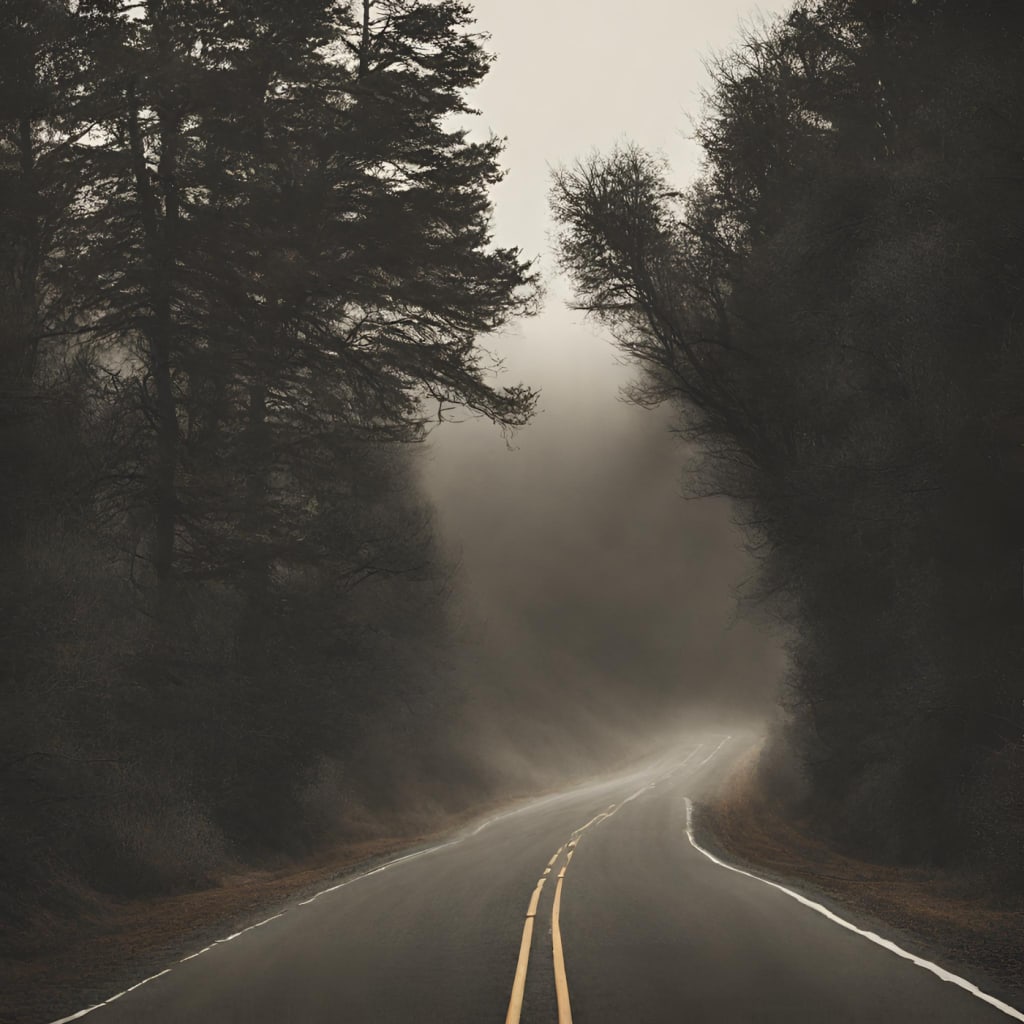
"The Road" narrates the grim journey of a father and his young son over several months, traveling south through a desolate, post-apocalyptic America. They traverse a landscape blanketed by ash, encountering deserted towns, scorched forests, and ruined cities along the way. Their goal is unclear, but their hope is to reach warmer climates and find a better chance of survival.
The world they move through is bleak and devoid of life, with the sun obscured by the ash that falls like snow. Civilization has collapsed, leaving bands of cannibals and a handful of desperate survivors who roam the road. The man and his son carry a shopping cart containing their supplies and a pistol for protection.
Throughout their journey, the father is plagued by a cough, a sign of his deteriorating health. Despite this, he teaches his son survival skills and instills in him a moral code, emphasizing the need to be "good guys" who "carry the fire." The narrative is sparse, filled with the challenges they face, from finding food to avoiding dangerous humans, all while dealing with the harsh realities of their world.
The protagonist is a figure of resilience and moral complexity. His love for his son drives every action he takes. He struggles with the bleak realities they face, often resorting to memories of his deceased wife and the world before its fall. He represents the struggle between hope and despair, often finding himself on the brink of giving up but propelled forward by the responsibility of safeguarding his son.
The boy is a symbol of innocence and hope. Born after the apocalypse, he has no memory of the previous world and only knows the reality of the road. His purity and compassion for others contrast sharply with the harshness of the world. He often acts as his father's moral compass, questioning their actions and advocating for mercy when they encounter other survivors.
The interactions with other characters along the road are fleeting but significant, offering glimpses into various human responses to the collapse of civilization. These encounters highlight themes of trust, betrayal, and the extremities of human behavior in survival situations.
The central theme of "The Road" is the tension between the will to survive and maintaining one's moral integrity. The father and son navigate a landscape where the rules of the old world no longer apply, constantly faced with choices that pit their survival against their ethics.
The relationship between the father and son serves as a beacon of human connection in a world marked by isolation. Their bond is not only a source of physical survival but emotional and moral support, highlighting the human need for connection even in the most dire circumstances.
The novel explores the duality of hope and despair, with the bleak environment often pushing characters to the brink of hopelessness. Yet, the persistent journey south and the concept of "carrying the fire" serve as metaphors for the flickering yet unextinguishable flame of hope.
McCarthy's writing style in "The Road" is stripped down and direct, mirroring the barren landscape the characters traverse. He uses a minimalist approach, with sparse dialogue and brief descriptions that convey a lot through little. The prose is lyrical yet somber, with a rhythmic quality that adds to the haunting atmosphere of the novel. The lack of punctuation and the fragmented structure reflect the fragmented world in which the characters live.
"The Road" is a compelling examination of the extremes of human behavior and the profound bonds that can emerge from shared suffering. It poses challenging questions about what it means to be human in the face of total devastation. The novel's sparse, poetic prose and its deep, existential themes offer a stark but ultimately hopeful vision of humanity’s capacity for both destruction and profound love.
About the Creator
Again
The sun pierced through the gaps in the bamboo blinds across our bedroom window. Though I was already on the precipice between the waking and the sleeping world, I allowed myself the leisured pleasure of basking in the quiet contemplation that came only from lying alongside the slight but warm curves of my dear Marguerite.
By Paul Stewarta day ago in Fiction


Comments