
Angels and Demons in Mythology
The Eternal Battle Between Light and Darkness

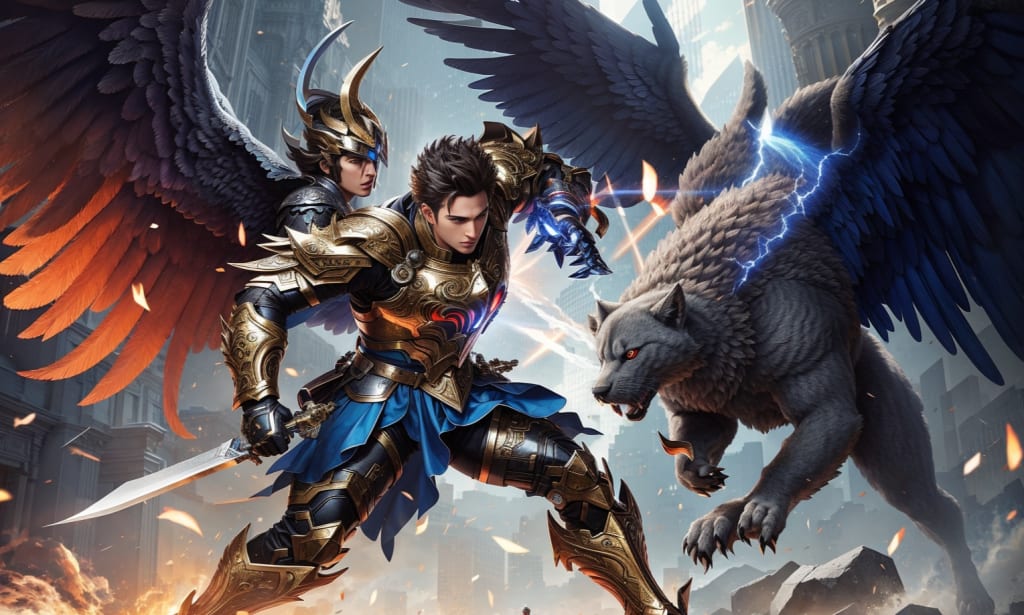
Throughout the ages, human imagination has conjured vivid tales of celestial beings and malevolent entities locked in an eternal struggle for supremacy. Angels and demons, each representing opposing forces of good and evil, have become essential figures in various mythologies, religions, and folklore around the world. These compelling and often awe-inspiring beings have captured the hearts and minds of countless generations, leaving a lasting impact on human culture and spirituality.
Angels, commonly associated with benevolence and divine protection, are celestial beings considered messengers of the divine in numerous religious traditions. Often depicted with halos, wings, and glowing auras, angels are believed to be intermediaries between humans and the higher realms. In Christianity, for example, angels are revered as servants of God, tasked with guiding, guarding, and delivering divine messages to humanity.
On the other hand, demons are malevolent, maleficent entities associated with darkness and chaos. Often portrayed as cunning and manipulative, demons are believed to tempt and torment humans, leading them astray from righteousness. Demons have their roots in various belief systems, from the malevolent spirits of ancient civilizations to the fallen angels and infernal creatures of Abrahamic religions.
The concept of angelic beings transcends cultural boundaries and appears in many ancient civilizations. In Mesopotamian mythology, winged beings like the Akkadian "apkallu" and the Sumerian "Anunnaki" were considered divine messengers, bestowing wisdom and knowledge upon humankind. In ancient Egyptian beliefs, the "ba" and the "ka" were aspects of the human soul that became angelic entities after death, guiding the deceased towards the afterlife.
However, the most comprehensive and influential narratives surrounding angels are found in the Abrahamic religions - Judaism, Christianity, and Islam. In these traditions, angels are described as vast celestial hosts carrying out God's will. The archangels, such as Michael, Gabriel, and Raphael, play prominent roles in various scriptural accounts and are revered for their critical roles in pivotal events.
The origins of demons are equally diverse and deeply embedded in world mythology. In ancient Mesopotamia, evil spirits like the "Lilu" and the "Lilitu" were believed to be responsible for causing disease and suffering. In Persian mythology, the "Divs" were malevolent creatures associated with chaos and deceit.
Within the context of Abrahamic religions, demons are often linked to fallen angels who rebelled against the divine authority. In Christianity, Lucifer, once the most beautiful and favored among angels, is considered the epitome of evil after his rebellion against God, becoming Satan. Demonic entities, like Beelzebub and Asmodeus, are depicted as adversaries to human virtue, perpetually seeking to lead mortals into sin and darkness.
The eternal battle between angels and demons symbolizes the cosmic struggle between good and evil, with humanity often caught in the midst of their conflict. This battle plays a significant role in shaping moral choices and ethical frameworks within religious and mythological contexts. The portrayal of this struggle in epic tales and religious texts offers profound insights into human nature, conscience, and the eternal quest for spiritual enlightenment.
The fascination with angels and demons extends far beyond religious and mythological contexts. In modern times, popular culture, literature, movies, and video games have reimagined these celestial and infernal beings in diverse and captivating ways. From Dan Brown's gripping novel "Angels & Demons" to Neil Gaiman's enthralling "Sandman" series, these figures continue to inspire creativity and spark philosophical contemplation about the nature of good and evil.
Angels and demons in mythology have permeated human history, spirituality, and storytelling across civilizations. Representing the eternal struggle between light and darkness, these celestial and infernal beings have left an indelible mark on human culture. Whether viewed as divine protectors or malevolent tempters, the allure of angels and demons lies in their ability to embody the timeless questions of morality, free will, and the profound human yearning for a higher purpose.
As we continue to explore the realms of myth and imagination, the saga of angels and demons will undoubtedly remain an enduring source of fascination, inspiration, and contemplation for generations to come.
About the Creator
YUSUF MAITAMA
Born in October 1980, studied technology for seven years in college, then Adult Education for five years, got an IT Certificate in six months. Worked as a Travel Agent until 2021, and now an affiliate marketer, and blogger.
Keep reading
More stories from YUSUF MAITAMA and writers in Fiction and other communities.
The Owl
Throughout history, owls have been regarded as symbols of wisdom and knowledge in various cultures and stories. Their mysterious nocturnal behavior, keen eyesight, and eerie hooting calls have inspired countless myths, legends, and fables. As a result, owls have become iconic representations of wisdom, often portrayed as sagacious beings in literature, art, and popular culture. In this article, we will explore the reasons behind the owl's association with wisdom and delve into some of the tales that have contributed to its reputation as the wisest animal in stories.
By YUSUF MAITAMA3 years ago in Fiction
TUS NUA - ch 53
TUS NUA – ch 53 New Beginnings – Mia and Midnight (*)(*)(*) Finola knew Ali’s brother-in-law needed to put his mind at rest. She fed her arm through his and led him outside. “We’ll sit here. If you like, I can put a block around us so our conversation will be private.”
By Margaret Brennanabout 18 hours ago in Fiction
Title: The Essay Topic – Final Part (From the Teacher’s Thoughts)
Sometimes the most dangerous thing a child can have is a dream. In a small school, a simple essay assignment turns into an unexpected conflict between a teacher and a group of parents who fear the power of imagination.
By Ebrahim Parsaa day ago in Fiction



Comments
There are no comments for this story
Be the first to respond and start the conversation.