
Alone with grief
It's like a part of your heart is buried with them, leaving a void that can never be filled.
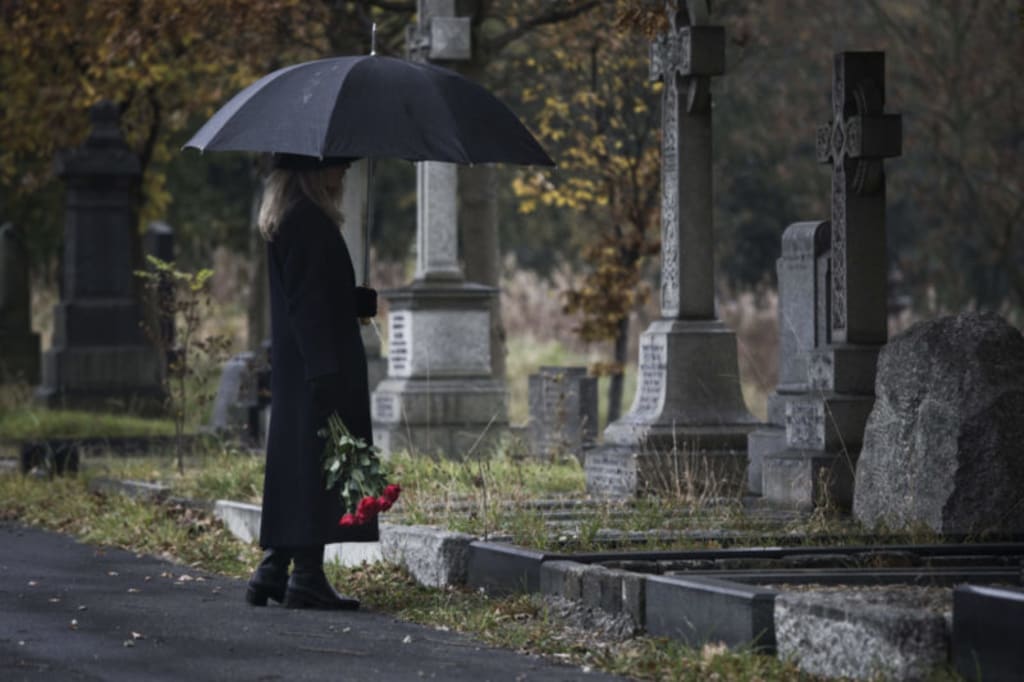
The sky was grey and somber as I stood at the cemetery, surrounded by rows of graves. The damp earth beneath my feet seemed to mirror the heaviness in my heart, and the cold wind that blew across my face felt like a cruel reminder of my loss.
I was there to bury my loved one, my partner of 15 years, who had succumbed to a terminal illness. We had been inseparable since the day we met, and the thought of living without them was unbearable. Yet, here I was, alone with my grief, and a casket in front of me.
As the service began, I felt a lump forming in my throat, and tears stung my eyes. The words of the eulogy, the prayers, and the hymns all seemed like a blur as I struggled to hold back my sobs. The sight of the casket being lowered into the ground made me feel like I was being buried alive along with it.
After the service, everyone left, leaving me alone with my loved one's final resting place. I knelt down and ran my fingers over the cold, hard surface of the gravestone, tracing their name and the dates of their birth and death. The reality of their absence hit me like a ton of bricks, and I felt a wave of despair wash over me.
As I sat there, the rain began to fall, making the ground muddy and slippery. The raindrops mingled with my tears as I sobbed, feeling lost and alone. The thought of facing life without my partner seemed impossible, and the emptiness I felt was suffocating.
Eventually, I got up, my clothes and hair soaked through, and made my way back to my car. The drive home was a blur, and I felt like a hollow shell of myself. When I got home, I collapsed on the couch, staring blankly at the wall, unable to move or think.
Days turned into weeks, and weeks turned into months, but the pain of my loss never dulled. The world kept turning, but my life felt frozen in time, stuck in a perpetual state of mourning. The thought of visiting the cemetery where my loved one was buried filled me with dread, and I avoided it at all costs.
The memory of that day, of burying my loved one, remained etched in my mind, a haunting reminder of what I had lost. The loneliness and sadness I felt never left me, and I learned to live with it, knowing that it would be a part of me forever.
But even as I tried to find ways to move forward, the overwhelming feeling of loneliness and the desperate need to hold my loved one again never left me. It was as if a part of me was missing, and no amount of talking or reminiscing could fill the void.
I found myself constantly replaying memories in my mind, trying to hold onto every detail of my time with them. The sound of their laughter, the way they looked at me, the warmth of their embrace - all of it felt like a precious treasure that I could never get back.
At night, I would lie in bed, staring at the ceiling, wishing for just one more moment with them. The loneliness was suffocating, and the thought of spending the rest of my life without them made me feel like I couldn't go on.
I started to withdraw from the world, avoiding social gatherings and spending more and more time alone. It was as if I didn't belong in this world anymore, and the only place where I felt a semblance of peace was at the cemetery where my loved one was buried.
I would visit their grave almost every day, sitting for hours in silence, talking to them as if they were still there. It was a small comfort, but it was the only thing that made me feel like I was still connected to them in some way.
As the months turned into years, I slowly started to accept that the pain would never fully go away. It was a part of me now, a reminder of the love that I had shared with my partner and the depth of the loss that I had experienced.
But even as I tried to move on, I knew that I would always carry a piece of them with me. The memory of burying my loved one would always be with me, a testament to the depth of our love and the pain of our loss.
About the Creator
Keep reading
More stories from writers in Fiction and other communities.
The Devil's Triangle
The sails ruffled in the breeze as we cruised along. The Sea Breeze was a mid-size catamaran that sailed out of Royal Naval Dockyard in Bermuda. We had booked this trip weeks in advance and were now looking at our Captain, Spike and two boat hands. Paddy and Wilson seemed like nice guys, joking around with the passengers and telling us some stories about Bermuda that only locals would know. Their island accents sounded almost British but they were pleasant to listen to.
By Barbara Gode Wiles3 days ago in Fiction




Comments
There are no comments for this story
Be the first to respond and start the conversation.