
AI Is Coming for Culture
How the Rise of Machines Is Reshaping What We Create, Share, and Value

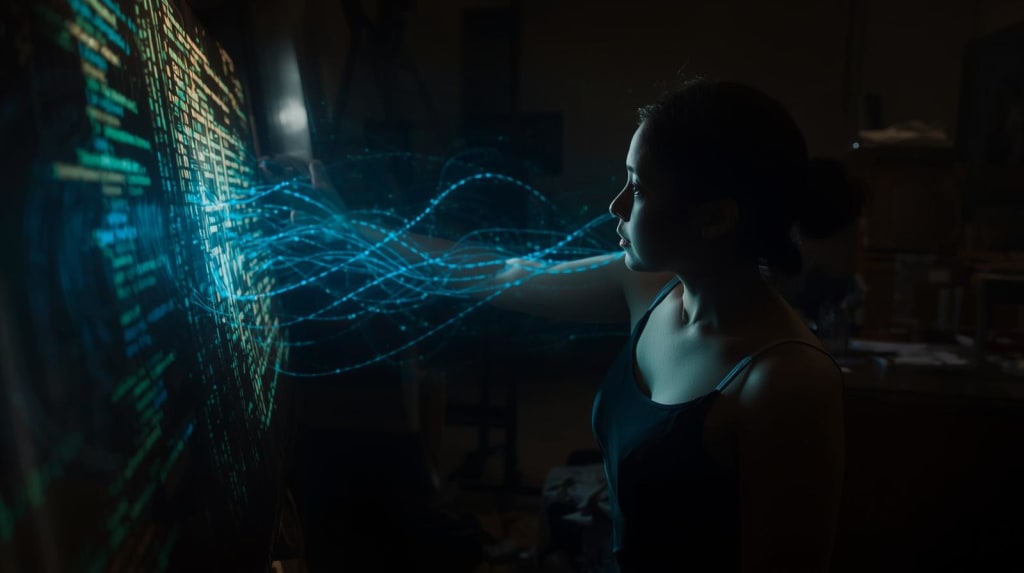
We stand at a moment unlike any in recent memory — a crossroads where culture, creativity, and technology collide in ways that promise both beauty and disruption. Artificial Intelligence (AI) isn’t just an assistant or tool anymore. It’s becoming a collaborator, rival, mirror, and sometimes even a challenger to what we once thought was uniquely human.
The Changing Face of “Art”
In galleries, studios, and even in our phones, AI-generated art is appearing everywhere. From music and poetry that mimic famous styles, to paintings that evoke emotion without a human hand for the final brushstroke — AI is rising not as a substitute, but as a catalyst. Creators are using it to explore concepts that would’ve taken years to develop. It can generate drafts, suggest directions, remix styles, and offer voices no one considered. The result: a liberation of possibility.
Yet, there’s a tension. When an AI composes a symphony in the style of Beethoven, or writes prose echoing Toni Morrison, questions emerge: Who owns the pieces? Who gets credit? And perhaps more importantly, what is lost when originality is outsourced to algorithms?
Authenticity in an Algorithmic World
Authenticity has always grounded art — it’s the messy heart behind the polished work. But the more we rely on AI to produce content, the more that boundary between raw, imperfect humanity and calibrated, model-generated “perfection” blurs.
Some fear we’ll lose touch with what it means to create. Others see a chance to re-anchor art in the human experience — in error, in accident, in the unplanned. In fact, many artists now use AI not to replace their voice, but to sharpen it — by contrast, by provocation, by showing where machines fail.
Culture Consumed Through Code
Our culture used to be shaped largely by gatekeepers — critics, curators, publishers. Now, algorithms decide what music we hear, what art we see, what news reaches us. Platforms tuned for clicks and engagement reward the sensational, the loud, the fast. Subtlety and slow-growing ideas often get drowned out.
With AI tools assisting in content creation (for good and ill), we face the danger of oversaturation. When everything can be generated instantly, what becomes truly meaningful? What still feels earned?
The Human Edge
Here’s where the human element still matters more than ever: our histories, our flaws, our emotional scars, our individual voices. Those are things machines can imitate but not genuinely own. Creativity rooted in lived experience — love and loss, joy and regret — those are irreplaceable.
The rise of AI could spark a renaissance of human-centered art. One where creators double down on what makes us human — connection, vulnerability, perspective — because that is what remains outside the reach of even the most sophisticated model.
Toward a Future Where We Co-Create
The path ahead isn’t one of opposition, but of negotiation. AI can be a partner — a brush that paints with us, not over us. Regulations and ethics matter: how we credit, how copyright evolves, how we ensure diversity of voices in an AI-dominated landscape.
We must decide what we value: the gleam of polished AI creations, or the imperfect, vivid, unpredictable humanity behind them. In that decision lies the future of culture.
---
Ultimately, culture isn’t code. It’s complexity. It’s contradiction. It’s the seams where life spills over the frame. And so long as we keep making art that bleeds, that questions, that fails and gets up again — AI may influence culture, but it won’t replace its soul.
About the Creator
Shohel Rana
As a professional article writer for Vocal Media, I craft engaging, high-quality content tailored to diverse audiences. My expertise ensures well-researched, compelling articles that inform, inspire, and captivate readers effectively.
Keep reading
More stories from Shohel Rana and writers in Fiction and other communities.
How to Earn Money from Social Media
Connecting with friends is no longer the only use of social media. It has evolved into a potent business, creative, and financial platform. Nowadays, social media is used by millions of people worldwide to make money, either as a full-time job or as a side gig.
By Shohel Rana6 months ago in Fiction
The Myth: Work Hard, Play Hard.
"All work and no play makes Jake a dull boy." When they first met, Sara, had enchanted Jake with her philosophy of work hard and play hard. When they started dating, both were full into studying to gain rank in their undergraduate courses. Work hard, play hard seemed the perfect formula for having the best of a full life. They would spend evenings at the library carrels and then party hardy at least once or twice a week.
By Katherine D. Graham3 days ago in Fiction



Comments
There are no comments for this story
Be the first to respond and start the conversation.