
A Thousand Splendid Suns
In the heart of war and loss, two women found strength, sisterhood, and the light that never fades.
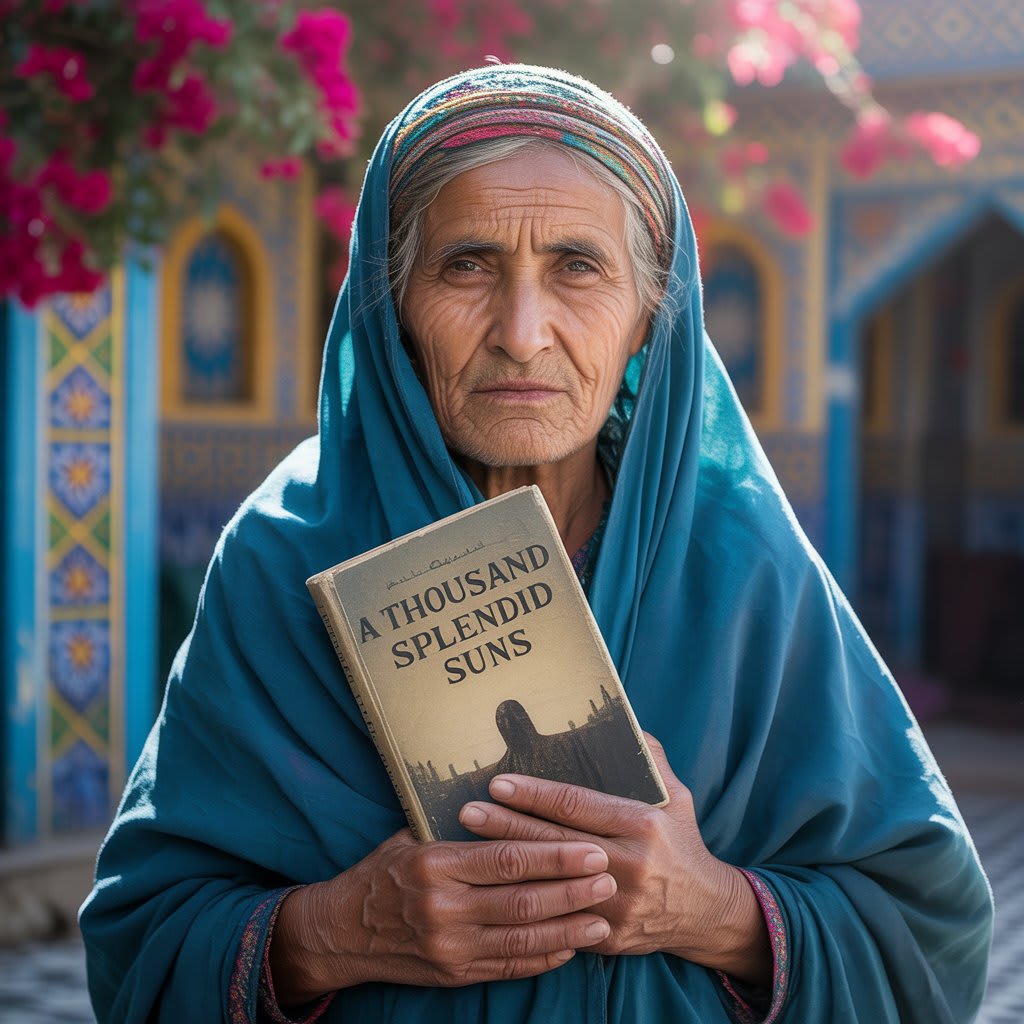
There are stories that live inside books, and then there are stories that live inside people.
This is one of the latter.
I met her in a moment of absolute chaos. The kind of moment where life breaks apart in slow motion—where the world becomes unrecognizable and grief wraps itself around your ribs like wire. We were strangers then. Just two women standing in the rubble of what used to be our homes.
Her name was Amara. Mine is Fariha.
We had nothing in common—except for the ruins, the silence of loss, and the unbearable weight of surviving when others didn’t.
In those first few days, we didn’t speak much. What do you say when words feel smaller than your sorrow? But I noticed her—always helping someone. Wrapping torn cloth around a child’s wound. Handing over the last of her bread to an old man who could barely walk. She had the eyes of someone who had lost everything, yet still carried enough love for the whole world.
One evening, while waiting in line for water, I finally spoke to her.
“You don’t smile much,” I said.
She looked at me with eyes full of stories and replied, “Smiles are expensive in times like these.”
I smiled anyway.
That was the beginning.
We began to share more than just food and blankets. We shared stories. Memories. Pain. She told me about her husband—how he never came back after the fighting started. I told her about my daughter, Laila, whose laughter still haunted my dreams.
We cried the first time we talked about them. Then we laughed at how we cried. Then we cried again because we laughed. That’s how grief works—always twisting between sorrow and survival.
What formed between us wasn’t just friendship. It was something deeper. A bond carved by suffering, softened by love. She became my sister in every way but blood.
And slowly, as days turned into months, we began to build something. Not a house, not a home—those things were gone. But a kind of peace. A routine. She would braid my hair in the morning. I would cook whatever little we had. We’d sit by the window—what remained of it—and talk about a future neither of us was sure we’d see.
We called it hope.
People around us started noticing. They said we brought light into the darkest place. Some even said we were mad for laughing when the world was burning. But we weren’t mad. We were alive. And sometimes, surviving is the bravest thing you can do.
One night, when the wind howled like a wounded beast and the sound of gunfire cracked through the silence, Amara held my hand and whispered, “If anything happens to me, promise you’ll keep living.”
I squeezed her hand back and said, “Only if you promise the same.”
We never spoke about death again. It was always there, hanging in the air, but we didn’t let it own us. We chose to live like we weren’t broken—even when we were.
Eventually, aid came. And with it, a chance to leave.
I almost didn’t go. I couldn’t imagine a life without Amara. But she pushed me.
“You have to go,” she said. “You have to see the world again. For both of us.”
I left with tears in my eyes and a heart that felt like it had been split in two. I carried only a small bag and a photograph—her face beside mine, both of us wearing those rare, expensive smiles.
Years have passed since then. I live in a quiet town now. I have a small job, a warm bed, and sometimes—when the stars are out—I talk to her like she’s still listening.
I tell her about the children playing in the streets. About the freedom in the air. About how I laughed today and it didn’t hurt.
I tell her I kept my promise.
I don’t know if she ever made it out. I don’t know if she’s alive somewhere, or if the wind carried her soul away one night while I was dreaming of her smile.
But I do know this:
Love, when born from pain, doesn’t fade.
And the memory of a woman who gave everything but never stopped giving—she shines brighter than all the darkness we lived through.
She is my thousand splendid suns.
About the Creator
Keep reading
More stories from Muhammad Saleem and writers in Fiction and other communities.
If You Love Me, You'll Do It
I met Jason when I was five years old. I could say that I loved him from the moment I saw him. He was so handsome to me and I felt in awe by his presence. When they introduced him as the new kid in school, I wanted to be his friend right away. I remember it like it was yesterday. I remember his smile and how he didn't seem shy. He appeared confident and ready to learn. I waved at him and said "hello," before anyone else could even say a word. He sat next to me, and I asked him if he wanted to be friends. He looked so happy as he said, "Yes!"
By Sidney Smith (Sid Smith)6 days ago in Fiction


Comments
There are no comments for this story
Be the first to respond and start the conversation.