
Your Complete Pregnancy Roadmap:
What to Expect Week by Week

Pregnancy is a remarkable journey filled with physical, emotional, and developmental changes. Whether you're a first-time mom or experienced in motherhood, understanding what happens each week can help you feel more prepared and confident. This comprehensive guide walks you through pregnancy week by week, covering fetal development, maternal changes, symptoms, and essential tips for a healthy pregnancy.
Introduction
Pregnancy typically lasts 40 weeks, divided into three trimesters. Each week brings new milestones for your baby and shifts in your body. By knowing what to expect, you can better navigate symptoms, prenatal care, and emotional changes.
Let’s explore this incredible journey week by week.
First Trimester (Weeks 1-12): Early Development & Adjustments
Weeks 1-4: Conception & Implantation
Fetal Development: After fertilization, the zygote forms and implants into the uterine lining. The placenta begins developing.
Maternal Changes: You may not yet notice pregnancy, but some women experience implantation bleeding (light spotting).
Common Symptoms: Fatigue, mild cramping, breast tenderness.
Tip: Start taking prenatal vitamins with folic acid to support neural tube development.
Weeks 5-8: Major Organ Formation
Fetal Development: The embryo’s heart starts beating (around week 6). The brain, spinal cord, and limb buds form.
Maternal Changes: Hormonal shifts may cause morning sickness, food aversions, and mood swings.
Common Symptoms: Nausea, bloating, frequent urination.
Tip: Eat small, frequent meals and stay hydrated to manage nausea.
Weeks 9-12: Transition to Fetus
Fetal Development: Fingers and toes form, and the baby begins tiny movements (though you won’t feel them yet).
Maternal Changes: The uterus expands, possibly causing mild pelvic pressure.
Common Symptoms: Fatigue, heightened sense of smell, constipation.
Tip: Schedule your first prenatal visit if you haven’t already.
Second Trimester (Weeks 13-27): Growth & Movement
Weeks 13-16: Visible Baby Bump
Fetal Development: Bones harden, and facial features become more defined. The baby can suck its thumb.
Maternal Changes: Energy levels improve, and nausea often subsides.
Common Symptoms: Round ligament pain, nasal congestion, and glowing skin.
Tip: Begin maternity clothes for comfort as your belly grows.
Weeks 17-20: Feeling First Kicks
Fetal Development: The baby develops vernix (a protective coating) and lanugo (fine hair).
Maternal Changes: You may feel quickening (first flutters of movement).
Common Symptoms: Backaches, leg cramps, increased appetite.
Tip: Sleep on your left side for better circulation.
Weeks 21-27: Rapid Growth & Viability
Fetal Development: The baby’s lungs mature, and fingerprints form. By week 24, the baby is considered viable outside the womb.
Maternal Changes: Weight gain becomes more noticeable.
Common Symptoms: Heartburn, Braxton Hicks contractions, swelling.
Tip: Stay active with prenatal yoga or walking to ease discomfort.
Third Trimester (Weeks 28-40): Preparing for Birth
Weeks 28-32: Brain & Sensory Development
Fetal Development: The baby opens its eyes, practices breathing, and gains fat for temperature regulation.
Maternal Changes: Shortness of breath and frequent urination return as the baby grows.
Common Symptoms: Sciatica, insomnia, stretch marks.
Tip: Start childbirth classes and create a birth plan.
Weeks 33-36: Final Growth Phase
Fetal Development: The baby turns head down in preparation for birth. The immune system strengthens.
Maternal Changes: Pelvic pressure increases as the baby drops.
Common Symptoms: Fatigue, hemorrhoids, nesting instincts.
Tip: Practice Kegel exercises to strengthen pelvic muscles.
Weeks 37-40: Full Term & Labor Signs
Fetal Development: The baby is fully developed and gaining final weight.
Maternal Changes: Cervix begins dilating. Braxton Hicks may intensify.
Common Symptoms: Lightening (baby dropping), mucus plug loss, contractions.
Tip: Watch for labor signs (regular contractions, water breaking) and pack your hospital bag.
Conclusion
Pregnancy is a transformative experience with unique challenges and joys each week. By staying informed, maintaining regular prenatal care, and listening to your body, you can navigate this journey with confidence. Every pregnancy is different, so consult your healthcare provider for personalized advice.
About the Creator
Keep reading
More stories from let's motivate yourself and writers in Families and other communities.
From Rock Bottom to Rise
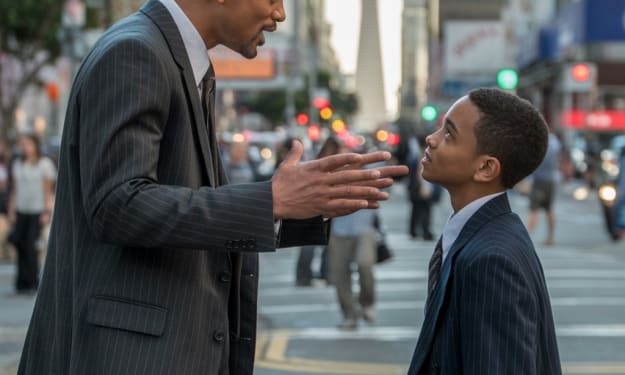
In the heart of San Francisco during the early 1980s, Chris Gardner was a man living a nightmare that few could imagine. Homeless, broke, and carrying the weight of fatherhood on his shoulders, he wandered the city streets with his toddler son, trying to keep them both afloat in a world that seemed intent on drowning them. But what makes Chris’s story remarkable isn’t just his struggle. it’s the strength with which he rose from the bottom to become a self-made millionaire, proving that with willpower, anything is possible.
By let's motivate yourself8 months ago in Motivation
The king of pop Jackson Family Legacy (2009–2026)
Introduction For more than five decades, the Jackson family has been one of the most influential dynasties in entertainment history. From the rise of The Jackson 5 in the late 1960s to global solo careers, their cultural impact spans music, film, modeling, and philanthropy. Following the passing of Michael Jackson in 2009, the family entered a new era focused on preserving its legacy while embracing generational growth. As of 2026, the Jackson lineage spans four generations, with careers and public contributions continuing across the globe. First Generation: The Jackson Siblings Rebbie Jackson (b. 1950) Rebbie Jackson, the eldest of the siblings, has remained closely connected to family milestones while pursuing her music career. She has three children: Stacee Brown (b. 1971), Yashi Brown (b. 1973), and Austin Brown (b. 1985), and one grandchild, London Blue Salas (b. 2003). Rebbie has balanced public appearances with a largely private family life. Jackie Jackson (b. 1951) Jackie Jackson has maintained a presence in music and occasional public appearances while raising four children: Sigmund “Siggy” Jackson Jr. (b. 1977), Brandi Jackson (b. 1982), Jaylen Jackson (b. 1987), and River Jackson (b. 1992). He is also a grandfather to Jared Jackson (b. 2005), Kai-Ari Jackson (b. 2008), and Skyy Jackson (b. 2010), reflecting his continued role in supporting the family’s younger generations. Tito Jackson (1953–2024) Tito Jackson, who passed away in 2024, left behind a strong musical and familial legacy. His children include Taj Jackson (b. 1973), Taryll Jackson (b. 1975), TJ Jackson (b. 1978), and three younger children born between the 1980s and 1990s. Tito’s grandchildren include Royal Jackson (b. 2000), Bryce Connor Jackson (b. 2003), Dee Dee Jackson (b. 2005), Jordan “JoJo” Jackson (b. 2007), Adren Michael Jackson (b. 2010), and Rio Tito Joe Jackson (b. 2012). Tito’s influence continues through 3T and their extended families. Jermaine Jackson (b. 1954) Jermaine Jackson has one of the largest second-generation families in the Jackson lineage. His eight children are Jermaine Jackson Jr. (b. 1977), Autumn Jackson (b. 1978), Jaimy Jackson (b. 1987), Jeremy Jackson (b. 1996), Jourdynn Michael Jackson (b. 1998), Jaafar Jackson (b. 1996), Jermajesty Jackson (b. 2002), and Tahkyah Brings Plenty Jackson (b. 2008). Many of his children pursue acting, modeling, and music while focusing on education. Jaafar Jackson has gained attention for portraying his uncle Michael Jackson in the upcoming biographical film Michael, and Tahkyah Brings Plenty Jackson is active in acting, modeling, and activism, representing the family’s emerging fourth generation. La Toya Jackson (b. 1956) La Toya Jackson has remained engaged in media and television work. She has no children, but she continues to participate in public appearances and family events. Marlon Jackson (b. 1957) Marlon Jackson balances family life with nonprofit work and philanthropy. He has three children: Valencia Jackson (b. 1980), Brittany Jackson (b. 1982), and Marlon Jackson Jr. (b. 1984). His grandchildren include Noah Laniak (b. 2005), Sophia Laniak (b. 2007), Phoenix Sanchez (b. 2008), Savanna Bella Sanchez (b. 2010), and Summer Blue Sanchez (b. 2012). Randy Jackson (b. 1961) Randy Jackson maintains a private profile while raising three children: Genevieve Jackson (b. 1983), Steven Randall Jackson Jr. (b. 1985), and Stevanna Jackson (b. 1988). He continues to participate in family events while keeping much of his personal life out of the spotlight. Janet Jackson (b. 1966) Janet Jackson has balanced a highly successful global music career with motherhood. She has one child, Eissa Al Mana (b. 2017), and continues to influence music, acting, and advocacy projects worldwide. Michael Jackson (1958–2009) Michael Jackson’s children — Prince Michael Jackson (b. 1997), Paris-Michael Katherine Jackson (b. 1998), and Prince Michael Jackson II “Bigi” (b. 2002) — have gradually stepped into public life. They are involved in philanthropy, music, modeling, and film while maintaining privacy in their personal lives. The Third & Fourth Generations (2026) By 2026, the Jackson family spans over 20 children of the original siblings, dozens of grandchildren, and a growing fourth generation. The family’s influence continues across music, film, modeling, activism, and private business, maintaining recognition worldwide while nurturing the next generation of talent. The Jackson Family Today Seventeen years after Michael Jackson’s passing, the Jackson family remains a global cultural presence. While earlier decades were defined by intense media exposure, today’s family blends public careers with private development. Each sibling branch contributes to a multigenerational legacy, from Motown origins to modern film projects, demonstrating resilience, creativity, and unity across four generations.
By Allie Jackson 3 days ago in Families
The Loneliest People Are the Most Liked
I have 3,842 followers. And no one to call when my chest feels heavy at 11:47 p.m. It sounds dramatic when I say it out loud, which is probably why I don’t say it. Instead, I post. A photo. A joke. A thoughtful caption about growth. A filtered version of a life that looks full. People respond the way they always do — hearts, laughing emojis, “You’re glowing lately,” “Proud of you,” “You’re such a positive soul.” Positive. That word follows me everywhere. I learned early that people like warmth. They like the friend who listens more than they speak. The one who remembers birthdays. The one who shows up smiling, even when they arrived tired. So I became that person. Not because I was fake — but because it worked. Being liked feels a lot like being safe. When you’re liked, people clap for you. They invite you places. They tag you in things. They assume you’re doing well. And assumptions are comfortable. No one looks too closely at someone who seems fine. I seem fine. The loneliest people aren’t the quiet ones in the corner. Sometimes they’re the loudest laugh in the room. The ones who know how to carry a conversation. The ones who can make strangers feel seen. I know how to make people feel seen. I just don’t know how to let them see me. There’s a difference. When you’re the “strong” friend, the “funny” friend, the “put-together” one, you slowly become a role instead of a person. And roles don’t get comforted. They perform. At gatherings, I float between groups like I belong everywhere. I ask questions. I remember details. I make connections. I leave with new followers, new contacts, new proof that I’m socially successful. And then I go home and sit on the edge of my bed in complete silence. No notifications feel the same as conversation. No heart emoji replaces eye contact. No comment section replaces someone noticing that your voice sounded off. Sometimes I scroll through my own profile to understand why I feel so empty. The grid is curated. Balanced. Happy. There’s evidence of friendships, coffee dates, achievements, small adventures. If someone studied my page, they’d think I’m surrounded. Maybe that’s why I don’t reach out when I need help. Who would believe the person who always looks okay? There’s a strange pressure in being well-liked. You don’t want to disappoint the image people hold of you. You don’t want to be “too much.” You don’t want to shift from inspiring to overwhelming. So you swallow the heaviness. You reply, “I’m good!” automatically. You become efficient at redirecting conversations away from yourself. You tell yourself loneliness is dramatic. After all, you’re constantly interacting. Constantly visible. But visibility isn’t intimacy. And being known is not the same as being recognized. I remember one night in particular. I had just posted something vulnerable — but not too vulnerable. Carefully measured honesty. The kind that hints at depth but doesn’t expose the wound. It went viral. Messages poured in. “Thank you for saying this.” “You always articulate things so well.” “You’re so brave.” I stared at the screen and felt nothing. Because bravery would have been telling someone specific, “I’m not okay.” Bravery would have been admitting that I feel invisible even when I’m admired. But admiration is addictive. It fills the surface. It doesn’t reach the center. The loneliest people are often the most liked because they learned how to survive by being agreeable. Being helpful. Being impressive. They built connection skills before they built vulnerability skills. I know how to network. I don’t know how to need. There’s a fear underneath it — what if people like the version of me that doesn’t ask for anything? What if the moment I reveal the mess, the overthinking, the quiet sadness, the confusion… the likes fade? So I maintain. I keep conversations light. I keep problems private. I keep performing stability. And the world rewards me for it. But sometimes, late at night, I wonder what it would feel like to be deeply understood instead of widely appreciated. To have one person notice the pause before I say “I’m fine.” To have someone call without a reason. To sit in silence with another human and not feel the need to entertain. Loneliness isn’t always about physical isolation. It’s about emotional distance. It’s about realizing that many people enjoy you, but very few truly know you. And maybe that’s partly my fault. Being liked gave me control. If I’m useful, funny, inspiring — people stay. If I’m messy, confused, uncertain — that feels risky. But slowly, I’m learning something uncomfortable. Connection requires risk. The kind where you let someone see the unedited version. The kind where you say, “I don’t have it together.” The kind where you admit you don’t want advice — just presence. The first time I told a friend, “I’ve been feeling really alone,” my voice shook. It felt dramatic. Unnecessary. Embarrassing. She didn’t laugh. She didn’t minimize it. She said, “Why didn’t you tell me sooner?” I didn’t have an answer. Maybe because I was too busy being liked. Maybe because I confused applause with affection. Maybe because I thought needing someone would make me less admirable. But something shifted that night. A small crack in the performance. A small step away from being universally appreciated and slightly more personally known. I still have 3,842 followers. But now I also have one person who knows that sometimes, I sit on the edge of my bed and feel the weight of everything. And somehow, that one connection feels louder than all the notifications combined. The loneliest people are often the most liked. Not because they are fake. But because they learned how to shine in public and hide in private. I’m tired of hiding. I don’t want to be everyone’s favorite. I just want to be someone’s real.
By Faizan Malik7 days ago in Families


Comments
There are no comments for this story
Be the first to respond and start the conversation.