
Women’s Preventive Care by Age
Steps You Shouldn’t Skip

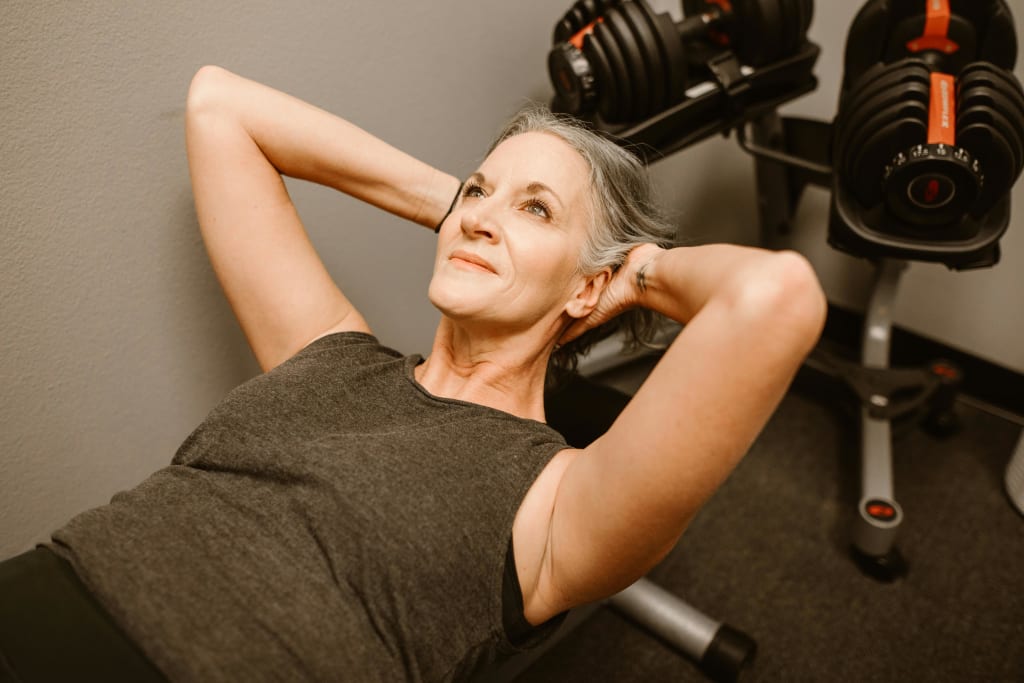
Staying healthy is not just about getting top-tier treatment for the health issues you already have. It is also about preventing diseases early, even before they show up. Even though medical treatments are getting better thanks to technological advancements and scientific research, the foundation of the health system should be focused on preventive care. After all, prevention is better than a cure.
This is true especially for women, as different life stages bring different medical concerns and require specific care. Knowing which screenings to do and why they are important makes a difference, as it prevents future disease and alters outcomes. Ladies, this guide walks you through women's preventive care by age - what to get, why it matters, and what you can expect.
For Teens (Ages 9 –19): Building Healthy Habits Early
Adolescence is the age when lifelong health habits start to form. Health professionals focus on sexual health counseling and vaccinations to make sure adolescents have healthy and responsible sexual habits. These are things you need to do..
- HPV Vaccine
- Menstrual & Reproductive Health
- Mental Health Checkups
- Healthy life habits - adolescence is the perfect time to build healthy habits that can last a lifetime. Here are key areas doctors emphasize:
- Eat a balanced diet: Focus on fruits, vegetables, whole grains, and lean proteins to fuel growth and energy.
- Stay active: Aim for at least 60 minutes of physical activity most days—sports, dancing, or even brisk walks count.
- Prioritize sleep: Teens need 8–10 hours of sleep each night to support mood, learning, and development.
- Skip smoking and vaping: These habits harm the lungs early and raise long-term health risks.
- Avoid alcohol: Drinking in adolescence can affect brain development and increase the chance of risky behaviors.
For Young Adults (Ages 20–29): Protecting Wellness in Your Prime Years
Preventive care for this age group focuses on reproductive health, infectious disease prevention, and laying the groundwork for long-term heart health. Here are things you need to follow.
- Pap Smear
- Screenings for Sexually Transmitted Infections
- Vaccines
For Ages 30–39: Catching Early Chronic Conditions
As metabolism slows and family and career responsibilities increase, women in their 30s face new health challenges. Screening for the detection of early stages of chronic diseases is important. Health check-ups include:
- Pap + HPV Test
- Chronic Disease Screening
For Ages 40 and Above: Cancer Screening Becomes Crucial
- Breast Cancer Screening
- Colon Cancer Screening
- Blood Pressure, Cholesterol, and Diabetes Screening
- Eye Exams
- Menopause related issues
- Vaccinations
- Fall Risk Assessments
- Cognitive Screening
Universal Preventive Habits for All Ages
- Exercise: Doing at least 60 minutes of exercise per day and 3–5 days per week is important to keep the heart, bones, and mood strong.
- Nutrition: A balanced diet with plenty of vegetables, whole grains, and lean proteins supports every system.
- Sleep: 7–9 hours of sleep per day is necessary to strengthen immunity, focus, and emotional stability.
- Avoid Smoking & Limit Alcohol: Both bad habits are closely associated with increased heart disease, cancer risk, and other health complications. Cigarette smoke contains carcinogenic elements that increase the risk of lung, mouth, throat, esophagus, pancreas, bladder, and cervical cancer. Especially in women, reproductive issues such as infertility and pregnancy complications.
- Stress Management: Stress can affect different parts of our bodies. It weakens the immune system, affects digestion, causes musculoskeletal problems, and results in health problems. Daily habits such as meditation, deep breathing, or healthy hobbies lower stress and related complications.
Preventive care is not a one-size-fits-all thing. It is a lifelong journey. It is essential to note that following recommended age-based screening and prevention care is crucial for detecting life-threatening conditions and enhancing health outcomes. Click and read more about women's preventive care follow-up in detail.
About the Creator
Keep reading
More stories from Tinsae Zelalem and writers in Families and other communities.
Polycystic Ovarian Syndrome
If you’ve recently been diagnosed with Polycystic Ovarian Syndrome (PCOS), it’s natural to have many questions and worries. What exactly is PCOS, why does it happen, how does it affect your periods and fertility, and most importantly, what can you do to manage it?
By Tinsae Zelalem6 months ago in Families
A Transparent Look at Vocal Challenges and Top Stories
Almost three years ago, we shared a resource article that served as a place for people to suggest new challenge prompts. We thought it would be a good idea to refresh that thread, and take the opportunity to answer a few common questions about top stories, how challenges are judged and how submissions are reviewed.
By Vocal Curation Team3 days ago in Resources




Comments
There are no comments for this story
Be the first to respond and start the conversation.